
What is the Difference Between Tanning and Pigmentation?

Written by Clear Skin Content Team | Medically Reviewed by Dr. Dhanraj Chavan on June 12, 2022
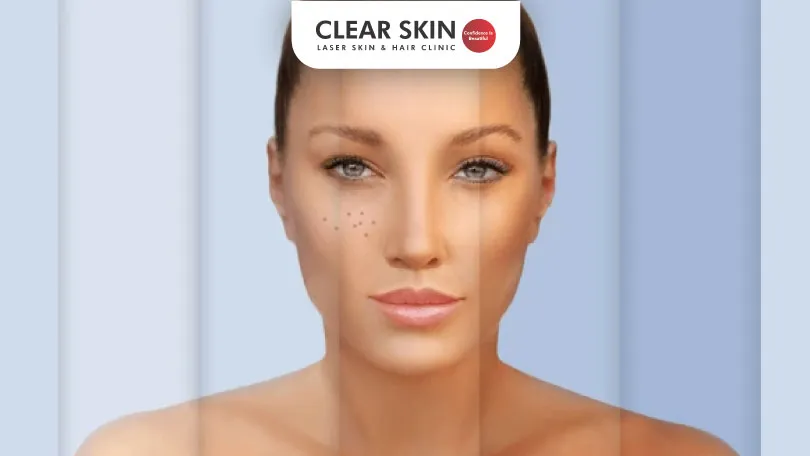
Melanin, the pigment produced by melanocytes, determines our skin color. Excess melanin leads to hyperpigmentation (darker skin), while less melanin causes hypopigmentation (lighter skin). Factors like sun exposure, hormonal changes, genetics, and certain skin conditions can affect pigmentation.
Tanning, a type of hyperpigmentation, specifically results from UV exposure from the sun or tanning beds. While tanning is directly linked to UV rays, other pigmentation issues can arise from various causes. Knowing these differences helps in choosing the right treatment and prevention methods for healthy skin.
Table Of Content
- What is Skin Pigmentation?
- What is Tanning?
- Differences Between Skin Pigmentation and Tanning
- Conclusion
What is Skin Pigmentation?
Melanin gives the skin its colour. It is a pigment generated by the cells called melanocytes. Excess melanin leads to darker skin colour and is termed hyperpigmentation. When less melanin is generated in the body, it gives the skin a lighter colour and is termed hypopigmentation. Reasons for skin pigmentation include sun exposure (which leads to hyperpigmentation, causing the skin to get darker), hormonal changes, and certain skin disorders, like vitiligo.
Skin pigmentation can also occur as a side effect of certain medications. Skin pigmentation is also linked with one’s genetic makeup. Skin conditions like acne leave dark spots, causing post-inflammatory hyperpigmentation. Freckles, dark patches, and melasma are other forms of skin pigmentation, which aggravate due to sun exposure.
What is Tanning?
Tanning is a type of hyperpigmentation in which the sun rays lead to the excess generation of melanin causing the skin colour to turn darker. Specifically, exposure to ultraviolet radiation from the sun, leads to the excess generation of melanin, further leading to tanning. Spending too much time in the sun causes discolouration of the skin, causing it to get a darker tone. Tanning beds cause genetic damage to the outermost layer of the skin. The skin, in an effort to prevent further injury, generates more melanin, resulting in darkening of the skin colour which is referred to as a tan.
Skin Tanning & Tips for Tan Removal (स्किन के कालेपन को दूर करने के लिए टिप्स)
Differences Between Skin Pigmentation and Tanning
Thus, you can see that skin pigmentation and tanning are interrelated because tanning is a type of hyperpigmentation. The difference between tanning and pigmentation of the skin is that the former is caused by overexposure to the sun or due to tanning beds, while pigmentation has several reasons ranging from certain health conditions and medications to hormonal fluctuations and genetics. Skin pigmentation treatment would vary based on the cause of the skin condition.
Since tanning is a form of hyperpigmentation mainly caused by UV rays of the sun, hyperpigmentation treatments are effective for tanning. Limiting sun exposure and using sunscreen and protective gear while going outdoors are helpful in preventing a sun tan.
Do You Know?
Roughly 250 Patients Are Treated
Everyday By These Dermatologists
(You are one click away from flawless skin)
Meet Our Dermatologist!





Conclusion
In conclusion, tanning and skin pigmentation are closely related, with tanning being a type of hyperpigmentation caused primarily by sun exposure. While tanning results from overexposure to UV rays, skin pigmentation can have various causes, including hormonal changes, genetic factors, and certain medications.
Effective treatments for hyperpigmentation can also address tanning. To prevent tanning, it’s important to limit sun exposure and use protective measures like sunscreen. For personalized advice and treatment options, consult with the dermatologists at Clear Skin in Pune.
Further Reading
Dark Circles: Fillers vs PRP vs Laser in Pune
Under-eye dark circle treatment in Pune – fillers vs PRP vs laser compared on results, longevity, and cost. Reviewed by Dr. Dhanraj Chavan.
PIH After Acne: Causes & Treatment | Clear Skin Pune
Post-inflammatory hyperpigmentation (PIH) is a flat dark mark after acne, not a scar. Learn why Indian skin is prone to it and how Clear Skin Pune treats it.
HIFU vs Botox vs Fillers vs Thread Lift for Anti-Aging in Pune – Which is Right for You?
Laser and chemical peels both treat sun damage and dark spots, but through different mechanisms.
Profhilo vs Dermal Fillers: Which Is Better for Skin Hydration?
Profhilo and dermal fillers both use hyaluronic acid but work completely differently. This breakdown explains which one improves skin quality and which one restores volume.
Have thoughts? Please let us know
We are committed not only to treating you, but also educating you.