
Why Laser Hair Removal Results Vary From Person to Person?

Written by Clear Skin Content Team | Medically Reviewed by Dr. Dhanraj Chavan on March 19, 2026
Two patients. Same clinic. Same treatment. Same number of sessions. One walks out nearly hair-free; the other still has noticeable regrowth six months later. If you have been through this – or heard about it from a friend – you may be wondering whether laser hair removal actually works, or whether you just got unlucky.
You did not get unlucky. The difference in results comes down to biology. Laser hair removal works on a living system – the hair follicle – and that system responds differently depending on your skin tone, hair colour, hormonal profile, body area, and where your hair follicles are in their growth cycle at the time of treatment.
None of these factors are random. All of these are knowable. Understanding them helps one set realistic expectations, plan the right number of sessions, and avoid disappointment when your experience does not match someone else’s.
This article explains the seven main reasons results differ, drawn from what Dr. Dhanraj Chavan and the clinical team at Clear Skin Clinic’s laser hair removal service in Pune see in practice across their locations.
Table Of Content
- Key Takeaways
- How Laser Actually Removes Hair?
- Skin Tone and Hair Colour – The Two Biggest Variables
- Hormonal Conditions Change the Game
- The Hair Growth Cycle – Why You Need Multiple Sessions and Why Spacing Matters?
- Body Area, Hair Density, and Follicle Depth
- Technology and Clinical Skill
- What Realistic Results Look Like?
- Frequently Asked Questions
- The Bottom Line
Key Takeaways
- Laser targets melanin (pigment) in the hair follicle – so skin tone, hair colour, and hair density all directly affect how well it works.
- Only hairs in the active growth phase (anagen) respond to treatment. Since only 20-30% of hairs are in anagen at any time, multiple sessions spaced weeks apart are necessary.
- Hormonal conditions such as PCOS and thyroid imbalances can trigger new hair growth even after successful sessions, which affects long-term outcomes.
- Body area, follicle depth, and hair coarseness create significant variation – underarms tend to respond faster than the face or back.
- Realistic expectations and the right technology for your skin type produce better outcomes than any single-session comparison.
How Laser Actually Removes Hair? (and why the mechanism explains the variability)
Laser hair removal works by directing concentrated light energy into the hair follicle. The laser targets melanin – the pigment that gives hair its colour. When melanin absorbs the laser energy, it converts to heat. That heat travels down into the follicle and damages the cells responsible for producing new hair.
This is a precise biological process, not a blunt instrument. The laser is not burning off surface hair. It is targeting a specific structure deep in the skin.
And because it relies on melanin to absorb the energy, the whole process depends on how much pigment is present, how deep the follicle is, and how actively the follicle is producing hair at the time of treatment.
Why the hair has to be in the active growth phase?
Hair grows in three phases: anagen (active growth), catagen (transition), and telogen (resting), as documented by the American Academy of Dermatology. Laser energy only damages follicles that are actively producing hair – which means only anagen-phase follicles are vulnerable during any given session.
At any point in time, roughly 20-30% of body hair is in anagen. The rest is resting or transitioning.
This is why one session is never enough – you are only catching a fraction of the follicles each time. Multiple sessions, spaced four to six weeks apart, progressively target more follicles as they cycle into the active phase.
This built-in variability in the growth cycle is the primary reason why some people see dramatic reduction after session three while others need six or more sessions to reach a similar point. It is not about treatment quality. It is about which follicles were active when the treatment was done.
Skin Tone and Hair Colour – The Two Biggest Variables
If there is one factor that explains more variation in laser results than any other, it is the combination of skin tone and hair colour.
Laser works best when there is high contrast between the two: dark hair on light skin. In this scenario, the melanin in the hair absorbs the laser energy efficiently, and the surrounding skin has less melanin to absorb it unintentionally. The follicle takes the hit; the skin does not.
How the Fitzpatrick scale affects treatment
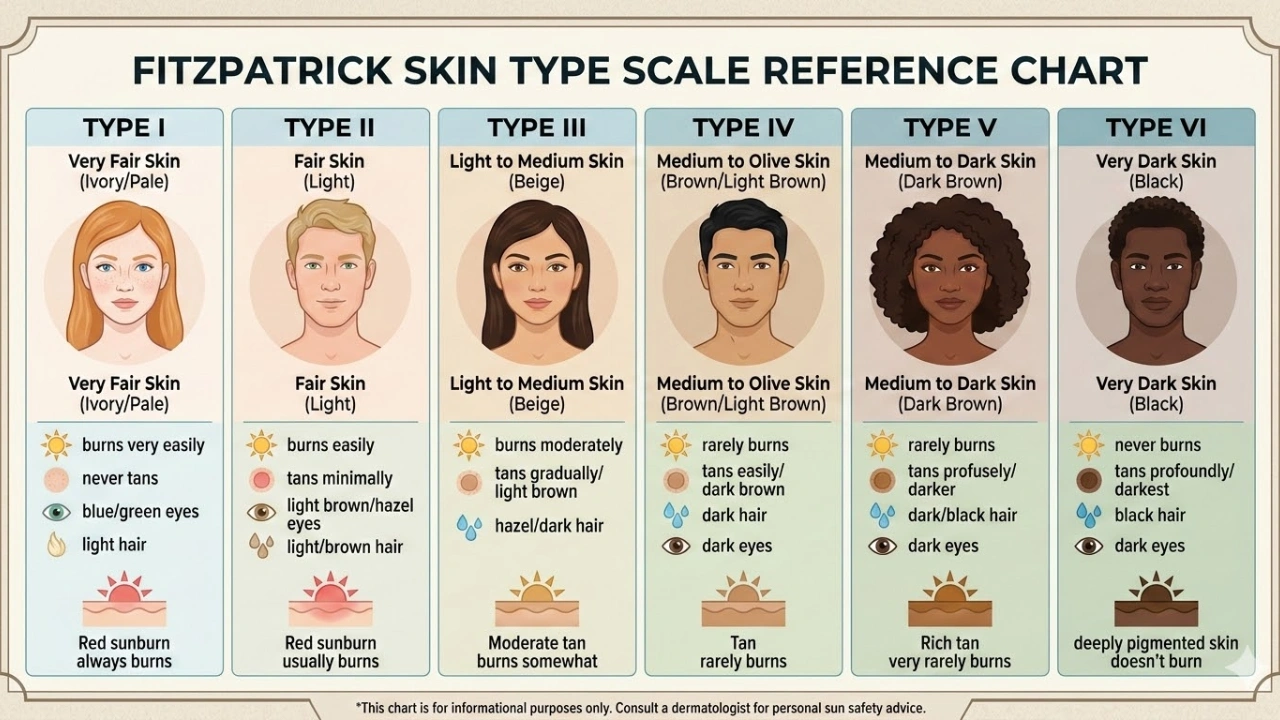
Dermatologists use the Fitzpatrick scale (Types I-VI) to classify skin tone and guide laser settings. Fairer skin types (I-III) historically showed the strongest response to early-generation lasers. Darker skin types (IV-VI), which are more common across India, require specific laser technology – typically an Nd:YAG or a well-calibrated diode laser – to avoid the laser energy being absorbed by the melanin in the skin rather than in the follicle.
At Clear Skin Clinic, the diode laser hair removal treatment in Pune is calibrated with adjusted fluence and pulse width settings for darker Indian skin tones. Getting these settings right is one of the main reasons outcomes differ between clinics, not just between patients.
What happens with lighter or finer hair?
Lighter hair – blonde, red, white, or grey – contains less melanin. The laser has less pigment to target, which means less energy is absorbed by the follicle, and the treatment is less effective. Fine vellus hair (the soft, light hair common on the face and arms) poses a similar challenge. This does not mean treatment is impossible for these hair types, but it does mean the response will be slower and more variable, and expectations need to be adjusted accordingly.
Hormonal Conditions Change the Game
To recap where we are so far: laser hair removal targets melanin in active hair follicles. Skin tone and hair colour determine how efficiently that energy is absorbed. The next major variable is the hormonal environment driving hair growth – and this is where results can diverge most sharply between individuals. Conditions such as PCOS, thyroid imbalances, and elevated androgens are among the most common reasons patients at Clear Skin Clinic see incomplete or inconsistent results despite completing a full course of sessions.
PCOS, thyroid, and hormonal imbalances
Hormonal conditions that stimulate androgen activity – such as polycystic ovary syndrome (PCOS) – accelerate hair growth in androgen-sensitive areas: the chin, jawline, upper lip, abdomen, and inner thighs. Research published in the Journal of Clinical and Aesthetic Dermatology confirms that laser provides effective reduction but not permanent clearance in patients with active androgenic conditions.
Laser can reduce the follicles that are present at the time of treatment. But if elevated androgens continue to stimulate dormant follicles into activity, new hair can appear in treated areas over time.
This is not treatment failure. The laser worked on the follicles it targeted. The hormonal condition is activating new ones. Patients with PCOS often need more sessions than average, more frequent maintenance treatments, and in many cases benefit most when laser is combined with medical management of the underlying hormonal condition. For a fuller picture, see how laser hair removal works for PCOS patients.
Men’s hormonal hair patterns
Men’s hair growth – particularly on the back, chest, and shoulders – is heavily driven by testosterone and DHT. Laser reduces the hair that is present, but androgenic hair growth in men often continues into the mid-30s and beyond. A man who completes a back treatment at 28 may find new coarser hair appearing at 33. This is not a treatment failure; it is normal male physiology. Maintenance sessions manage this over time.
For a broader look at what drives unwanted hair growth hormonally, this post on hormonal causes for unwanted hair in men and women covers the biology in more detail.
The Hair Growth Cycle – Why You Need Multiple Sessions and Why Spacing Matters?
The connection between the anagen growth phase and treatment efficacy was covered above. But there are practical implications that explain why the gap between patients’ session counts is often wider than people expect.
What percentage of hair is in anagen at any time?
The proportion of hair in anagen varies by body area.
Scalp hair has the highest anagen proportion – around 85-90% of follicles are actively growing at any given time. Body hair sites like the legs, underarms, and face have significantly lower anagen proportions, and these vary by body area, sex, and hormonal status rather than following fixed percentages. (Source: Bouabbache et al., Int J Cosmet Sci, 2019)
This means underarm hair is more efficiently targeted per session than leg hair, which is why patients typically see faster results on the underarms and slower progress on the legs – even within the same course of treatment.
Why session spacing matters?
Sessions spaced too close together risk retreating the same follicles (those still in anagen from the previous round) rather than catching newly entered ones. Sessions spaced too far apart allow more follicles to complete a full cycle and return to anagen before the next treatment, reducing cumulative impact.
The standard interval of four to six weeks is not arbitrary. It is timed to catch follicles as they cycle into the active phase. Skipping sessions or delaying them significantly can require additional rounds to compensate. For specific guidance on session counts, this post on how many laser treatments are effective for permanent hair removal goes into further detail.
Body Area, Hair Density, and Follicle Depth
Not all body hair is the same. The hair on your upper lip behaves differently from the hair on your legs, which behaves differently again from hair on your back. Three factors drive this: follicle density, hair coarseness, and follicle depth.
Face vs. legs vs. underarms – why they respond differently?
Facial hair – particularly around the upper lip, chin, and jaw – tends to be finer and more hormonally influenced. It often requires more sessions than coarser body hair, and in areas where hormonal drive is ongoing, maintenance is more likely to be needed long term.
Underarm hair is generally coarser and responds well to treatment. Most patients see significant reduction within four to six sessions in this area. Legs require more sessions because hair density is high and the proportion in anagen at any given time is lower.
Follicle depth and energy delivery
Deeper follicles require higher energy settings or longer pulse widths to deliver enough heat to damage the follicle effectively. If settings are too conservative – out of an abundance of caution for skin safety – the follicle may be injured without being destroyed, leading to temporary reduction followed by regrowth. An experienced dermatologist adjusts settings based on skin type, hair characteristics, and the patient’s response from previous sessions.
Technology and Clinical Skill
The laser itself matters. And so does the person operating it.
Why the right laser for your skin type makes a difference?
India’s population is predominantly Fitzpatrick Types IV-VI. Many laser platforms were originally developed and tested on lighter skin. Using the wrong wavelength or settings on darker skin can result in surface pigmentation changes alongside reduced efficacy at the follicle level.
The diode laser and Nd:YAG wavelengths penetrate deeper and are better suited to darker skin tones. A review in Lasers in Medical Science found that Nd:YAG at 1064nm produced comparable hair reduction to shorter wavelengths in Fitzpatrick IV-VI patients with a significantly lower rate of pigmentation side effects. For a comparison of how different laser types perform across skin tones, see which laser is best for hair removal.
Why settings are adjusted between sessions?
Fluence (energy density), pulse width, and spot size are all adjusted based on how the patient responded to previous sessions. A patient who showed strong response on the first session may tolerate higher fluence on the second, improving follicle destruction. A patient who experienced surface irritation needs the settings recalibrated.
This session-by-session adjustment is a clinical decision. It requires someone who can read the skin’s response and knows the difference between optimal and safe. Technician training and dermatologist oversight are not interchangeable here.
What Realistic Results Look Like?
Given everything above, what does a realistic outcome actually look like at Clear Skin Clinic Pune?
Most patients completing six to eight sessions at appropriate intervals see a 70-90% reduction in hair density in treated areas. The American Academy of Dermatology notes that most patients see a 10-25% reduction in hair after the first treatment, with cumulative improvement across a full course.
This is a significant, noticeable change for the majority of people. A smaller proportion – particularly those with hormonal conditions or lighter hair – see results toward the lower end of that range or require ongoing maintenance to preserve them.
Permanent complete hair removal is not the standard outcome for most people. Is laser hair removal a permanent solution? covers this in detail. The more accurate framing is long-term significant reduction, with maintenance sessions managing any regrowth that occurs.
You can see actual patient outcomes in the Clear Skin laser hair removal results gallery and read patient reviews here.
If you have completed your sessions and are not seeing the reduction you expected, this post on what to do when laser hair removal does not show results walks through the likely reasons and next steps.
Frequently Asked Questions
Why did my friend get better results than me from laser?
The most common reasons are differences in skin tone and hair colour, hormonal profile, body area treated, and session consistency. Your friend may have had higher contrast between hair and skin colour, fewer hormonal factors driving regrowth, or a body area with a higher proportion of hair in the anagen phase at each session.
Neither outcome is wrong – they reflect individual biology, not treatment quality.
Does skin colour affect laser hair removal results?
Yes. Laser targets melanin in the hair follicle. The more contrast there is between hair colour and skin tone, the more efficiently the energy is absorbed by the follicle.
Darker skin tones require specific laser wavelengths (typically diode or Nd:YAG) with adjusted settings to achieve effective follicle targeting without surface pigmentation side effects. At Clear Skin Clinic, settings are calibrated for Indian skin tones.
Can hormonal conditions affect how well a laser works?
Yes, significantly. Conditions such as PCOS and thyroid disorders that elevate androgens can stimulate dormant follicles into activity even after successfully treated follicles have been destroyed. This creates the appearance of regrowth in treated areas.
Patients with active hormonal conditions often benefit from combining laser with medical management of the underlying condition, and typically need more maintenance sessions than patients without hormonal factors.
How many sessions will I actually need?
Most patients need between six and eight sessions for significant reduction in common areas such as underarms, bikini line, and legs. Facial hair, particularly in areas influenced by hormones, may require eight to ten or more.
Areas with lower proportions of hair in anagen at any given time – such as the back and legs – generally require more sessions than areas with higher anagen rates. Your dermatologist will assess your hair and skin type at the initial consultation to give you a more specific estimate.
Why is hair still growing after my sessions are done?
Several reasons are possible. Follicles that were in the resting (telogen) phase during your sessions were not targeted and are now entering anagen. If you have an active hormonal condition, new follicles may have been stimulated since treatment.
Follicles that were damaged but not destroyed can recover partially. Regrowth after a completed course does not necessarily mean you need to start again – a maintenance session or two may be sufficient. See hair growth after laser hair removal for more detail.
Does the body area make a difference to results?
It makes a significant difference. Underarms and the bikini line typically show the fastest, most consistent results because hair density is manageable and the hair tends to be coarser.
Legs require more sessions due to higher density and a lower anagen proportion at any given time. Facial hair, particularly in hormonally active areas, is the most variable and often requires the most maintenance. Your practitioner will give you area-specific expectations at your consultation.
Is laser hair removal less effective on light or fine hair?
Yes. Laser relies on melanin to absorb the light energy and convert it to heat in the follicle. Light-coloured hair (blonde, grey, white) and fine vellus hair contain less melanin, which means less energy is absorbed, and follicle damage is less reliable.
Treatment is possible in some cases with adjusted settings, but outcomes are generally less predictable than with dark, coarse hair. Your dermatologist will assess suitability during consultation.
Do You Know?
Roughly 250 Patients Are Treated
Everyday By These Dermatologists
(You are one click away from flawless skin)
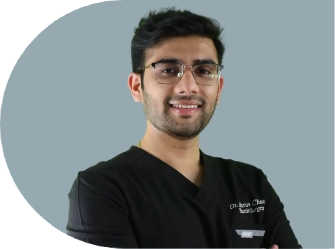
Meet Our Dermatologist!


The Bottom Line
Laser hair removal is not a one-size-fits-all treatment. Your skin tone, hair colour, hormonal profile, the body area being treated, your hair’s growth cycle, and the technology and clinical expertise used all shape what you will see. Two people can have entirely different outcomes from identical treatment plans, and both outcomes can be clinically correct.
Understanding why results vary is the first step in setting the right expectations for your own treatment. The second step is a consultation with a dermatologist who can assess your specific factors and give you a realistic picture of what to expect.
To book a consultation at Clear Skin Clinic’s Pune locations, visit: clearskin.in/contact-us/
Further Reading
Best Pigmentation Treatment Clinics in Pune
Melasma, dark spots, or acne marks? Understand pigmentation treatments and how to choose the right dermatologist in Pune.
How Laser Hair Removal Works on Indian Skin Tones?
Complete guide to laser hair removal for Indian skin types IV-VI, covering Diode and Nd:YAG laser technology, safety considerations, and realistic results expectations.
Best Serums for Acne-Prone Skin: Expert Tips
Find the best serums for acne-prone skin and expert advice to help you achieve a clearer complexion.
20 Tips to Say Farewell to Puffy Eyes and Feel Refreshed Again
Discover 20 powerful tips and home remedies to banish them for good.
Have thoughts? Please let us know
We are committed not only to treating you, but also educating you.