
Home Remedies for Skin Pigmentation: What Helps, What Doesn’t, and When to See a Dermatologist?

Written by Clear Skin Content Team | Medically Reviewed by Dr. Dhanraj Chavan on February 16, 2026
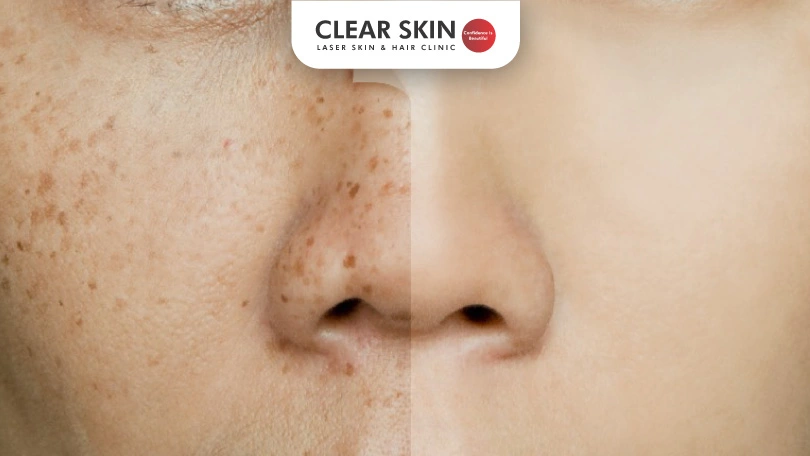
Skin pigmentation is a common concern that can appear as dark spots, patches, or uneven skin tone, and while home remedies may help in mild cases, understanding the cause is the first step toward safe and effective treatment.
Skin pigmentation is one of the most common skin concerns. Many people notice dark spots, uneven skin tone, tanning, or patches on the face and immediately search for home remedies. The idea of using natural ingredients at home feels safe, affordable, and convenient.
But before trying anything, it is important to understand one thing clearly:
Not all pigmentation is the same.
And not all pigmentation can be treated at home.
At Clear Skin Clinic, we often meet patients who have tried multiple home remedies without understanding the cause of their pigmentation. Some see mild improvement, while others develop irritation that makes the problem worse.
This guide explains what home remedies can realistically help, what their limits are, and when professional treatment becomes necessary.
Table Of Content
- What Is Skin Pigmentation?
- What causes Skin Pigmentation?
- Can Home Remedies Really Work?
- How to Remove Pigmentation from the Face Permanently at Home?
- How to Prevent Pigmentation?
- When to consult a Dermatologist
- Frequently Asked Questions (FAQs)
- Conclusion
What Is Skin Pigmentation?
Skin pigmentation happens when melanin, the natural pigment that gives colour to your skin, is produced unevenly. Melanin protects the skin from sun damage, but when certain triggers increase its production in specific areas, dark patches or spots can appear.
Common types of pigmentation include:
-
Tanning caused by sun exposure
-
Post-acne dark spots (post-inflammatory hyperpigmentation)
-
Melasma, often linked to hormones
-
Age-related dark spots
Each type behaves differently. That is why identifying the cause matters before starting treatment.
What causes Skin Pigmentation?
Skin pigmentation can be caused by a variety of circumstances. Understanding these triggers is critical for resolving pigmentation issues.
Sun Exposure:
Prolonged exposure to the sun’s damaging UV rays can boost melanin formation, resulting in uneven pigmentation in some people.
Hormonal Changes:
Hormonal fluctuations, particularly during pregnancy or when using hormonal contraception, might contribute to skin pigmentation.
Skin Injuries and Inflammation:
Skin injuries, inflammation, or disorders such as acne can all result in pigmentation as part of the skin’s healing process.
Genetics:
Some people may be predisposed to acquiring dark patches due to a genetic tendency to skin pigmentation.
Can Home Remedies Really Work?
Home remedies can help in mild cases of pigmentation, especially when the issue is recent tanning or light post-acne marks.
However, home remedies cannot:
-
Remove deep pigmentation
-
Cure melasma completely
-
Change natural skin colour
-
Replace sunscreen
-
Substitute medical treatment for hormonal pigmentation
They work slowly and mainly support skin healing and brightness.
If pigmentation is deep, long-standing, or spreading, professional treatment is usually more effective.
Safe Home Remedies That May Help Mild Pigmentation
Potatoes
How It Works: Potatoes contain catecholase, an enzyme that can help lighten pigmentation.
How to Use: Rub a slice of raw potato on pigmented areas for a few minutes, then rinse.
Red Lentils Face Mask
How It Works: Red lentils (masoor dal) are packed with antioxidants that help brighten the skin. They exfoliate dead skin cells and promote an even skin tone. Soak lentils overnight, blend them into a paste, and apply as a face mask for 15 minutes before rinsing.
Tomato
How It Works: Tomatoes are rich in lycopene, which protects against sun damage and helps reduce pigmentation.
How to Use: Apply tomato pulp to affected areas for 10–15 minutes, then rinse.
Papaya Mask
How It Works: Papaya contains enzymes like papain that promote skin renewal and lighten dark spots. It helps in removing dead skin cells and enhancing skin radiance.
How to Use: Mash ripe papaya and mix it with honey to create a nourishing face mask.
Aloe Vera Gel
How It Works: Aloe vera contains aloin, a natural depigmenting compound that lightens dark spots.
How to Use: Apply fresh aloe vera gel to pigmented areas before bedtime and wash off in the morning.
Studies suggest aloe vera can inhibit melanin production and promote skin healing.
Turmeric Face Mask
How It Works: Curcumin in turmeric has anti-inflammatory and skin-brightening effects.
How to Use: Make a paste with turmeric and yogurt, apply for 10 minutes, then rinse.
Regular use can help reduce pigmentation caused by sun damage.
Cucumber
How It Works: Cucumber has cooling properties that help reduce skin discoloration. It hydrates and soothes the skin, making it appear brighter.
How to Use: Grate a cucumber and apply the juice to your skin to refresh and lighten pigmentation over time.
Apple Cider Vinegar
How It Works: ACV contains acetic acid, which has mild exfoliating and skin-lightening properties.
How to Use: Mix equal parts ACV and water, apply with a cotton pad, leave for 5 minutes, and rinse.
Always dilute ACV to avoid skin irritation.
How to Prevent Pigmentation?
Protection from the sun:
To protect your skin from dangerous UV rays, always wear sunscreen with at least 30 SPF.
Gentle Skincare Regimen:
Avoid strong cleansers and products that may irritate the skin.
A well-balanced diet:
To promote general skin health, consume a diet high in antioxidants, vitamins, and minerals.
If you are unsure whether your pigmentation is tanning, melasma, or post-acne marks, a Skin Specialist in Pune can help you understand the exact cause before trying multiple remedies.
When to consult a Dermatologist?
Home remedies can support mild pigmentation, especially when the cause is recent sun exposure or light acne marks. However, they should be used carefully and consistently.
Pigmentation management usually works best with a combination of:
-
Sun protection
-
Gentle skincare
-
Healthy diet
-
Professional guidance when needed
Trying multiple harsh remedies at once often delays improvement.
If home remedies prove ineffective or if pigmentation is severe and persistent, it’s advisable to consult the Best dermatologist in Pune. Professional guidance can help determine the underlying causes and provide targeted treatments.
Frequently Asked Questions (FAQs)
How soon can I see results from home remedies for pigmentation?
Results are usually slow. If the pigmentation is mild, you may notice small improvement in a few weeks. For deeper or older dark spots, home remedies may take longer or may not give visible results. Being consistent and patient is important.
Can I use more than one home remedy at the same time?
It is better to try one remedy at a time. Using too many things together can irritate the skin and make pigmentation worse. If you want to combine remedies, it is safer to ask a dermatologist first.
Are these home remedies safe for all skin types?
Most natural remedies are generally safe, but sensitive skin can react easily. Always do a patch test on a small area before applying anything to your face.
How often should I use home remedies?
Use them as recommended and avoid overusing. Applying remedies too often can damage your skin barrier and cause irritation. Gentle and regular use works better than frequent application.
Do I need to consult a dermatologist before trying home remedies?
If your pigmentation is mild, you can try simple remedies carefully. But if the dark patches are spreading, long-standing, or not improving, it is better to consult a dermatologist for proper evaluation and treatment guidance.
Do You Know?
Roughly 250 Patients Are Treated
Everyday By These Dermatologists
(You are one click away from flawless skin)
Meet Our Dermatologist!





Conclusion
While the desire for fairer skin is prevalent in many cultures, it’s important to understand the limitations and risks of skin lightening procedures.
Achieving a significant and permanent change in skin color is challenging and often comes with potential health risks. It’s crucial to approach this endeavor under professional guidance and set realistic expectations.
Embracing and celebrating one’s natural skin tone promotes healthy self-esteem and body image. For more detailed insights, visit Clear Skin Pune.
If you are struggling with pigmentation that is not improving with home care, consult the dermatologists at Clear Skin Clinic Pune. With personalised treatment plans tailored to your skin type and concern, we help patients achieve safe and long-term improvement in pigmentation and overall skin health.
Further Reading
Gym & Sweat Acne: Causes & Prevention | Clear Skin Pune
Gym acne (acne mechanica) is caused by sweat, heat, and friction. Learn where it appears, why Pune’s humidity worsens it, and how to prevent breakouts.
Best Treatments for Back Acne and Body Scars
Struggling with back acne and body scars? Learn about effective home remedies and professional treatments to achieve clear, blemish-free skin.
Melasma Treatment Reviews in Pune | Clear Skin
Real Clear Skin Pune patient results for melasma treatment – see before and after outcomes after laser and chemical peel, and what to expect.
Best Treatment for Pigmentation on Face
Discover top treatments for pigmentation on the face. Get clear, even-toned skin with dermatologist-recommended pigmentation solutions in Pune.
Have thoughts? Please let us know
We are committed not only to treating you, but also educating you.