
How to Effectively Treat Melasma

Written by Clear Skin Content Team | Medically Reviewed by Dr. Dhanraj Chavan on February 14, 2024
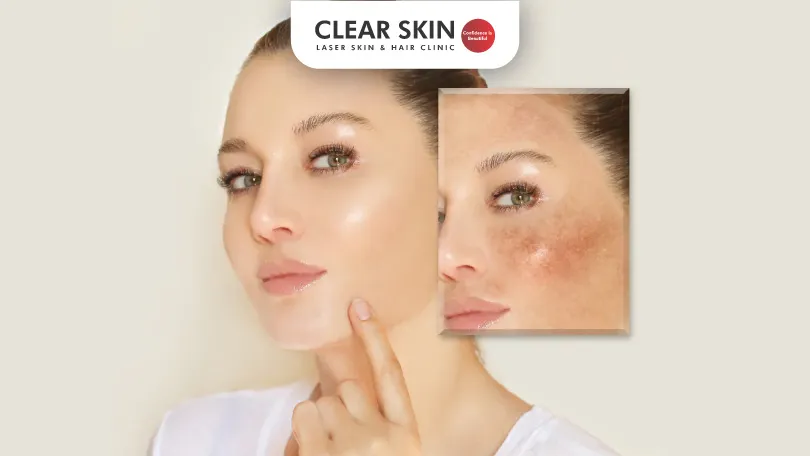
Table Of Content
-
Causes and Triggers of Melasma
-
Treatment of Melasma
- Conclusion
Causes and Triggers of Melasma
Before delving into therapies, it’s critical to understand the underlying causes of melasma. Common factors include hormonal fluctuations, UV exposure, and genetics.
- Hormones can promote melanin formation, especially during pregnancy or while taking birth control pills.
- Sun exposure exacerbates melasma as UV rays stimulate melanocytes, the cells that produce melanin.
- Genetics play a role, too; if someone in your family has melasma, you might be more prone to developing it.
Treatment of Melasma
Sun Protection Is Key
Sun protection is critical in the treatment of melasma. Even on cloudy days, use a broad-spectrum sunscreen with a high SPF. Physical blockers, like zinc oxide or titanium dioxide, provide higher protection against UVA and UVB rays.
Topical Treatment
Melasma patches can be lightened using topical therapies containing hydroquinone, retinoids, and vitamin C. Hydroquinone reduces melanin formation, but retinoids and vitamin C increase cell turnover and pigmentation lightening.
Chenical Peels
Chemical peels entail the application of a solution to the skin in order to exfoliate the top layer. Eliminating pigmented cells and promoting collagen formation can help improve melasma.
Microdermabrasion
Microdermabrasion treatment exfoliates the skin gently, enhancing its texture and reducing the visibility of melasma. It is a non-invasive procedure that can be performed in a dermatologist’s clinic.
Laser Therapy
Laser treatment for skin, such as pigmentary lasers & fractional lasers, target and break down melanin in the skin. Over several sessions, this can help diminish melasma patches.
Home Remedies
Natural therapies such as applying aloe vera, application of milk with turmeric mixture, or lemon juice to affected regions may provide some relief. However, outcomes may vary, so visit a dermatologist before trying home cures.
Diet and Supplements
A diet high in antioxidants and foods high in vitamins can enhance skin health. Inquire with a healthcare provider about supplements that could help you care for your skin better.
Stress Management
Hormonal changes brought on by stress may make melasma worse. Incorporating stress-reduction practices like yoga, meditation, or deep breathing may be advantageous
Do You Know?
Roughly 250 Patients Are Treated
Everyday By These Dermatologists
(You are one click away from flawless skin)
Meet Our Dermatologist!





Conclusion
Melasma treatment necessitates a multifaceted approach that includes sun protection, topical therapies, and professional procedures. Keep in mind that results take time, and consistency is essential. If you are bothered by melasma, see a dermatologist for a personalised treatment plan tailored to your specific needs. Taking the correct steps to treat Melasma, from topical remedies to sophisticated therapies, can make a dramatic difference in your complexion. Contact Clear Skin Clinic for expert guidance and practical solutions tailored to your specific skin needs.
Further Reading
Best Pigmentation Treatment for Indian Skin in 2026: Ranked by Results
Compare pigmentation treatments for Indian skin, including Pico laser, Q-Switch laser, chemical peels, and topical therapies before choosing the right option.
Chemical Peel vs Laser for Active Acne: Which Works Faster on Indian Skin?
Find out whether chemical peels or laser treatment is better for active acne. Compare benefits, costs, downtime, and treatment timelines for Indian skin
Best Acne Treatment Clinic in Pune: What to Look for Before You Book
Choose the right acne treatment clinic in Pune with confidence. Know how dermatologists treat acne, acne marks, and scars with personalised care.
Under Eye Dark Circles Treatment – Causes, Types & Dermatologist Solutions
Vascular, pigmented, and structural, your dark circle type determines your treatment. A dermatologist explains how to identify your type and which treatments actually work.
Have thoughts? Please let us know
We are committed not only to treating you, but also educating you.