
Why Acne Comes Back After Stopping Treatment? – Pune Insights

Written by Clear Skin Content Team | Medically Reviewed by Dr. Dhanraj Chavan on December 12, 2025
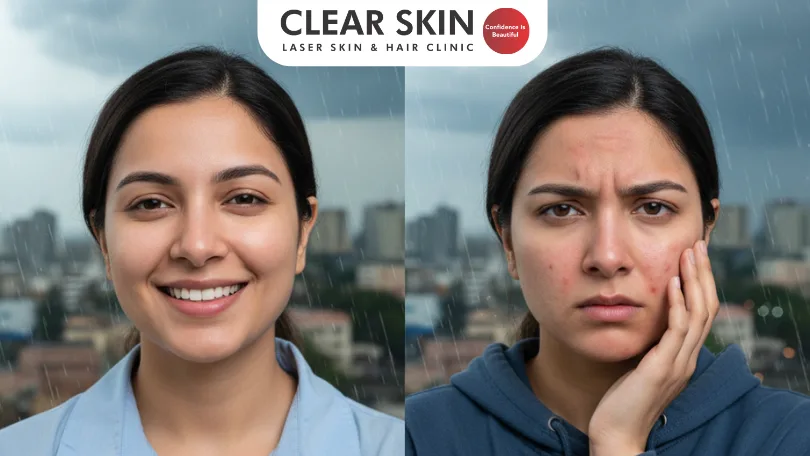
You finally cleared your acne after months of treatment. Your skin looked great, you felt confident, and everything seemed perfect. Then it happened – just weeks or months after stopping treatment, those familiar bumps returned.
Sound familiar? You’re not alone. Studies show that 20-50% of acne patients experience relapse after discontinuing treatment. At Clear Skin Clinic in Pune, we see this frustrating pattern regularly across our seven locations.
Here’s what most people don’t realize: acne treatments primarily address symptoms. Without proper maintenance therapy, the underlying factors that created your acne – hormones, excess sebum production, and bacteria – remain active and ready to trigger new breakouts. Dr. Dhanraj Chavan, with over 10 years of experience treating thousands of acne cases at Clear Skin Clinic, explains that successful acne management requires understanding why relapse happens and how to prevent it.
Table Of Content
- Key Takeaways
- The Science Behind Why Acne Returns
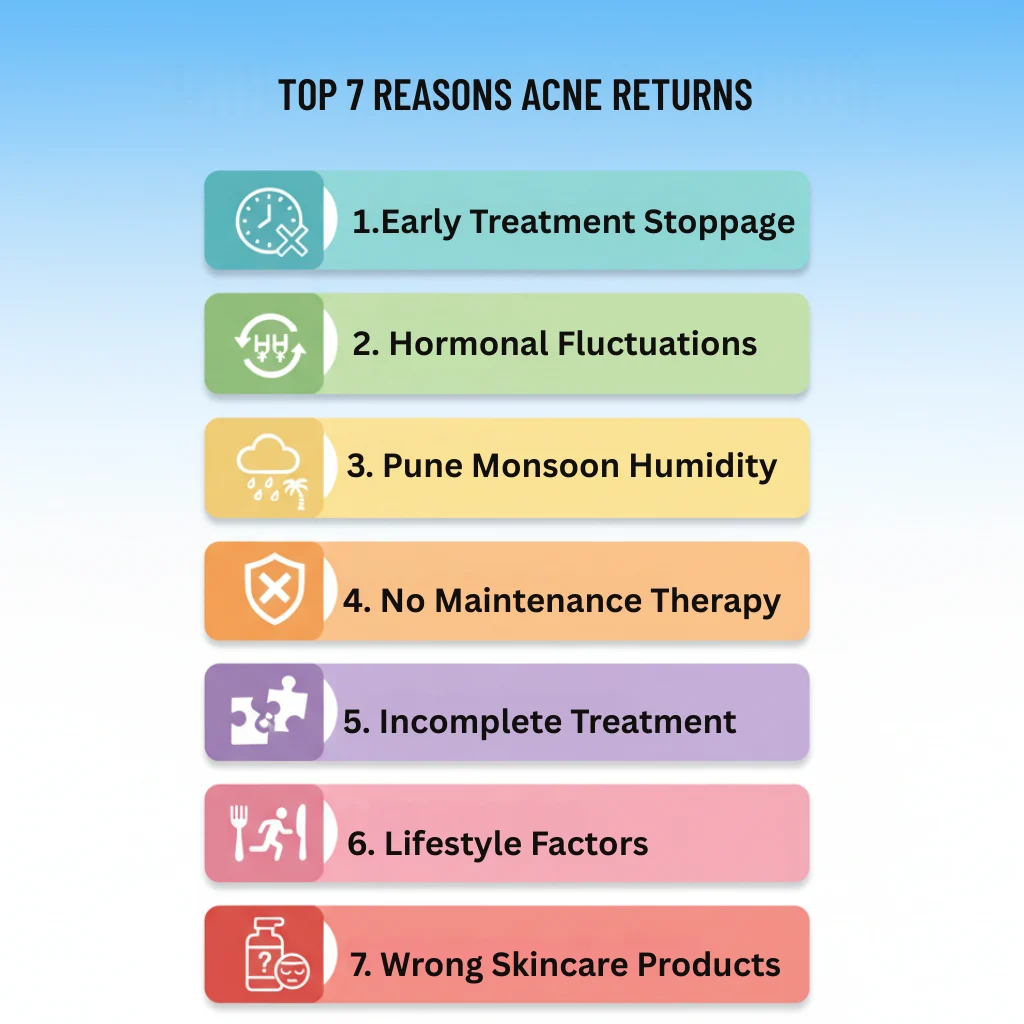
- Top 7 Reasons Acne Comes Back in Pune
- How Pune’s Climate Makes Acne Relapse Worse?
- How to Prevent Acne from Coming Back?: Clear Skin Clinic’s Approach
- Building Your Acne Prevention Routine
- When to See a Dermatologist in Pune?
- Frequently Asked Questions
- Conclusion
Key Takeaways
- Stopping treatment too early is the #1 cause of relapse – Most acne treatments require 6-12 months of maintenance therapy after clearing to minimise the chances of recurrence.
- Hormonal fluctuations drive persistent breakouts – Women face 3.5 times higher relapse risk without proper hormonal management alongside topical treatments.
- Pune’s monsoon season significantly worsens acne – June to September humidity levels of 70-80% increase sebum production by 30-40%, creating perfect conditions for bacterial growth.
- Maintenance therapy reduces relapse by 70% – Continuing low-dose retinoid or benzoyl peroxide treatment prevents new microcomedones from forming.
- Clear Skin Clinic’s cocktail therapy addresses multiple causes – Treating all four pathogenic factors (sebum, bacteria, inflammation, and follicle abnormalities) reduces long-term relapse rates significantly.
The Science Behind Why Acne Returns
Acne Is Chronic, Not a One-Time Problem
Here’s the hard truth: acne isn’t like a cold or flu that goes away once treated. It’s a chronic inflammatory condition of the pilosebaceous units (your pores).
Your oil glands don’t magically stop overproducing sebum once your skin clears. The bacteria Cutibacterium acnes (formerly Propionibacterium acnes) lives permanently on your skin. Your follicles continue their tendency to shed cells abnormally and clog pores.
Treatment suppresses these factors temporarily. When you stop treatment, they resume their problematic behavior.
What Happens When You Stop Treatment?
Think of acne treatment like taking medication for high blood pressure. The pills control your blood pressure, but they don’t cure the underlying condition. Stop the medication, and blood pressure rises again.
The same principle applies to acne. When you discontinue topical retinoids, benzoyl peroxide, or oral antibiotics, here’s what happens within weeks:
Microcomedones (tiny invisible clogs) begin forming again in your pores. These are the precursors to all visible acne lesions – blackheads, whiteheads, and inflammatory pimples.
Your skin’s oil production returns to pre-treatment levels. If you were on hormonal therapy, stopping it allows androgens to stimulate sebaceous glands again.
Bacterial populations rebound on your skin surface and inside follicles. Without antimicrobial treatment keeping them in check, C. acnes proliferates rapidly.
The 20-50% Relapse Rate Explained
Research published in JAMA Dermatology found that among patients who completed oral isotretinoin treatment, 22.5% required retreatment with oral medications and 8.2% needed a second course of isotretinoin within follow-up periods.
Why such high rates? Studies show several factors increase relapse risk:
Age matters. Younger patients (under 25) relapse more frequently because hormonal fluctuations are more pronounced during late adolescence and early adulthood.
Gender plays a role. Women face significantly higher relapse rates, especially without antiandrogen therapy. Hormonal acne affects 50% of women in their 20s and 25% in their 40s, according to Cleveland Clinic research.
Treatment duration is critical. Patients who stopped treatment before completing recommended maintenance therapy showed dramatically higher relapse rates compared to those who continued for 6-12 months post-clearance.
At Clear Skin Clinic, our 12,000+ treated acne patients confirm these patterns. We’ve found that proper maintenance therapy reduces relapse rates by approximately 70%.
Top 7 Reasons Acne Comes Back in Pune
#1: Stopping Treatment Too Early
This is the single biggest mistake we see. You’ve been treating your acne for 8-10 weeks. Your skin looks clear. You think, “Great! I’m cured!” and stop everything.
Within 4-8 weeks, breakouts return. Sometimes worse than before.
Here’s why: Most acne treatments need 2-3 months to show visible improvement, but they require 6-12 months to address microcomedone formation fully. Retinoids, the cornerstone of acne maintenance, work by preventing these microscopic clogs from ever developing.
When you stop treatment after just 2-3 months of clear skin, you’ve eliminated existing lesions but haven’t prevented new ones from forming.
#2: Hormonal Fluctuations Without Proper Management
Hormones are the master controllers of your sebaceous glands. For women especially, monthly menstrual cycles cause predictable hormone shifts that trigger acne flares.
Research shows women have 3.5 times higher acne relapse risk when they stop antiandrogen therapy (like spironolactone or oral contraceptives) without transitioning to maintenance treatment.
These hormonal triggers include:
- Menstrual cycles: Testosterone levels rise before periods, stimulating oil production
- Pregnancy and postpartum: Dramatic hormone shifts can trigger severe acne in previously clear skin
- PCOS (Polycystic Ovary Syndrome): Elevated androgens create persistent acne that requires ongoing hormonal management
- Stress hormones: Cortisol increases during high-stress periods, affecting oil gland activity
At Clear Skin Clinic, Dr. Dhanraj Chavan evaluates hormonal factors during initial consultations and creates treatment plans that address both topical symptoms and underlying hormonal drivers.
#3: Pune’s Monsoon Humidity Creates Perfect Acne Conditions
Living in Pune means dealing with distinct seasonal weather changes. June through September brings the monsoon season with 70-80% average humidity levels.
This isn’t just uncomfortable – it’s a major acne trigger. Here’s what happens to your skin during Pune’s monsoons:
Sebum production increases 30-40% in high humidity. Your oil glands go into overdrive, creating excessive surface oil that mixes with dead skin cells and clogs pores.
Excessive sweating clogs pores further. Combined with Pune’s pollution and dust (especially in areas like Baner, Wakad, and Hinjewadi), this creates a perfect storm for bacterial growth.
Bacterial and fungal proliferation thrives in warm, moist conditions. C. acnes and Malassezia species (acne-causing bacteria and fungi) reproduce rapidly during monsoon months.
Temperature fluctuations increase skin sensitivity. Pune experiences sharp shifts between air-conditioned indoor environments and humid outdoors, which disrupts your skin’s barrier function.
Patients who successfully cleared their acne during the dry season (November-March) often see breakouts return when monsoons begin – even if they’re still using treatment. This seasonal pattern requires adjusted maintenance strategies specific to Pune’s climate.
#4: No Maintenance Therapy After Initial Clearing
Medical research consistently shows that maintenance therapy is essential for preventing acne recurrence. Yet many patients don’t receive clear guidance about what to do after their skin clears.
Topical retinoids (adapalene, tretinoin, tazarotene) are recommended as first-line maintenance therapy by dermatology experts worldwide. They prevent microcomedone formation and reduce inflammation long-term.
Studies demonstrate that patients using adapalene 0.1% gel as maintenance therapy after successful treatment showed significantly less relapse compared to those who stopped all treatment.
At Clear Skin Clinic, maintenance therapy typically involves:
- Continuing retinoid application 2-3 times weekly (reduced from daily during active treatment)
- Using benzoyl peroxide as needed for spot prevention
- Regular gentle chemical peels every 4-6 weeks during high-risk periods (monsoon season)
- Adjusting products based on seasonal humidity levels
Cost of maintenance is substantially lower than treating full relapses. A monthly maintenance regimen costs approximately ₹2,000-5,000 versus ₹8,000-15,000+ for treating moderate to severe acne breakouts.
#5: Incomplete Treatment of Root Causes
Acne has four primary pathogenic factors:
- Abnormal follicular keratinization (cells don’t shed properly)
- Excess sebum production
- C. acnes bacterial proliferation
- Inflammation and immune system responses
Many treatment approaches focus on only one or two factors. For example, using only antibiotics addresses bacteria but ignores excess oil production and abnormal cell turnover.
This is why Clear Skin Clinic uses cocktail therapy – targeting all four factors simultaneously. Our approach for moderate to severe acne typically includes:
- Topical retinoids (normalize cell turnover)
- Benzoyl peroxide or topical antibiotics (reduce bacteria)
- Niacinamide or salicylic acid (control oil production)
- Chemical peels (address inflammation and promote cell renewal)
- Oral medications when needed (hormonal therapy for women, oral antibiotics for severe inflammatory acne)
With over 12,000 acne patients treated using this comprehensive approach, we’ve seen significantly reduced relapse rates compared to single-agent therapy.
#6: Lifestyle Factors Unique to Pune’s IT Hub Culture
Pune’s emergence as a major IT and business center has created specific lifestyle patterns that contribute to acne relapse:
High-stress work culture: Long working hours in companies across Hinjewadi IT Park, Magarpatta, and EON Free Zone increase cortisol levels and trigger inflammatory pathways that may worsen acne.
Irregular sleep schedules: Night shifts and deadline pressures disrupt circadian rhythms, affecting hormone production and skin cell turnover cycles.
Diet changes: Frequent consumption of street food (high in processed carbohydrates and dairy) and office cafeteria meals can spike insulin levels, which stimulates sebum production.
Air-conditioned environment shifts: Moving between heavily air-conditioned offices and humid outdoor environments stresses your skin barrier, making it more prone to breakouts.
Reduced physical activity: Sedentary desk work reduces circulation and lymphatic drainage, both important for healthy skin function.
These factors don’t directly cause acne, but they create an environment where acne-prone skin struggles to maintain clearance without proper ongoing management.
#7: Poor Skincare Product Choices After Treatment
Once your acne clears, you might think you can return to the products you used before developing acne. That is a big mistake in Acne management.
Using the wrong products can clog pores and trigger new breakouts within weeks. Common problematic products include:
Heavy moisturizers and creams containing comedogenic ingredients like coconut oil, cocoa butter, or mineral oil. Look for “non-comedogenic” labels instead.
Oil-based makeup and foundations that sit on skin surface blocking pores. Switch to water-based or mineral formulations.
Harsh cleansers that strip skin completely. Over-cleansing triggers rebound oil production – your skin produces more oil to compensate for being too dry.
Fragranced products and essential oils that irritate skin and trigger inflammatory responses.
At Clear Skin Clinic, we provide specific product recommendations suited to Pune’s climate, including:
- Gel-based moisturizers for monsoon season
- Lighter lotions for dry season
- Oil-free, broad-spectrum sunscreens (essential in Pune’s strong sun)
- pH-balanced, gentle cleansers that don’t disrupt skin barrier
How Pune’s Climate Makes Acne Relapse Worse?
The Humidity Challenge: 70-80% During Monsoons
Pune’s geographic location and elevation create unique climate patterns. While we enjoy pleasant weather most of the year, monsoon season (June-September) brings extreme humidity levels averaging 70-80%.
For acne-prone skin, this level of humidity creates several problems. Sweat doesn’t evaporate efficiently in high humidity. Instead, it sits on your skin surface, mixing with sebum and creating a sticky layer that traps bacteria and dead skin cells.
Your skin’s natural barrier function becomes compromised. The stratum corneum (outer skin layer) can become over-hydrated, making it easier for bacteria to penetrate and cause inflammation.
Makeup and sunscreen don’t set properly in high humidity. They slide around on skin surface, mixing with sweat and oil to clog pores.
Pollution and Dust Exposure
Pune’s rapid urbanization has increased air pollution levels, particularly during construction season (October-March). Areas like Baner, Wakad, Aundh, and the old city near Pune Station experience high particulate matter from:
- Construction dust and debris
- Vehicle emissions on busy roads (Baner Road, Paud Road, Karve Road)
- Industrial activity in MIDC areas
These particles settle on your skin, mix with sebum, and create comedones. Even if you’re using acne medication, environmental pollution can overwhelm your skin’s ability to stay clear.
Hard Water Impact in Certain Pune Areas
Some Pune neighborhoods receive hard water (high mineral content) which can affect your skin’s pH balance. Hard water makes it difficult to rinse cleansers properly, leaving residue that can clog pores.
Areas particularly affected by hard water include parts of Pimpri-Chinchwad, Kothrud, and some regions of Karve Nagar. If you live in these areas and notice your acne worsens after moving there, water quality might be a contributing factor.
Solutions include using filtered water for final face rinse or using micellar water as a final cleanse step to ensure all product residue is removed.
How to Prevent Acne from Coming Back?: Clear Skin Clinic’s Approach
Importance of Maintenance Therapy
The single most important factor in preventing acne relapse is continuing maintenance therapy after your skin clears. Research shows that patients who use maintenance treatment have 70% lower relapse rates.
Maintenance therapy typically involves topical retinoids (adapalene, tretinoin) used 2-3 times weekly. Retinoids prevent microcomedone formation – the invisible precursor to all acne lesions.
Benzoyl peroxide 2.5% can be used 1-2 times weekly for its antimicrobial properties without risk of bacterial resistance.
The recommended maintenance duration is typically 6-12 months minimum, with many patients continuing indefinitely at low intensity to maintain clear skin.
Clear Skin Clinic’s Proven Cocktail Therapy
At Clear Skin Clinic, we’ve successfully treated over 12,000 acne patients and 7,000+ acne scar patients across our Pune locations using our comprehensive cocktail therapy approach.
Founded in 1989 by Dr. Dhananjay Chavan (35+ years experience), Clear Skin Clinic targets all four pathogenic factors of acne simultaneously:
Treatment Components:
- Topical retinoids (adapalene, tretinoin) to normalize follicular keratinization
- Benzoyl peroxide for antimicrobial action
- Chemical peels (Black Peel, Yellow Peel, Salicylic Acid, TCA) to reduce inflammation and promote cell turnover
- Laser treatments (CO2 Laser, Erbium Glass Laser) for severe inflammatory acne and scar prevention
- Advanced therapies (Microneedling, PRP, dermapen) for active acne and early scar treatment
- Oral medications when necessary (antibiotics for 3-4 months maximum, hormonal therapy for women with PCOS or persistent hormonal acne)
Treatment Options and Current Pricing
Clear Skin Clinic offers comprehensive acne treatment across seven convenient Pune locations: NIBM, Baner, Pune Station, Pimple Saudagar, Prabhat Road, Kharadi, and Karad.
Consultation Fees:
- First consultation: ₹1,000
- Follow-up consultations: ₹500
Treatment costs vary based on severity and selected modalities. For detailed pricing information on chemical peels, laser treatments, and comprehensive acne management packages, visit our guide: Pune Acne Treatment Costs: What to Expect in 2026.
Monsoon-Specific Skincare Adjustments
Living in Pune requires seasonal adaptation of your skincare routine. During monsoon months (June-September), we recommend:
Switch to gel-based products: Heavy creams and lotions feel suffocating in high humidity. Gel formulations provide hydration without adding surface oil.
Increase cleansing frequency: Cleanse twice daily (morning and evening) during monsoons, plus an additional rinse after heavy sweating or rain exposure. Use gentle, pH-balanced cleansers – avoid harsh scrubs.
Use oil-free sunscreen religiously: Even on cloudy monsoon days, UV radiation penetrates clouds. Choose lightweight, oil-free formulations that won’t clog pores. Reapply every 3-4 hours if you’re outdoors.
Apply retinoids strategically: If your skin becomes extra sensitive during humid months, reduce retinoid frequency slightly (every other night instead of nightly) but don’t stop completely.
Keep blotting papers handy: Instead of washing your face multiple times daily (which can strip skin and trigger more oil production), use oil-absorbing blotting papers to manage excess sebum.
Building Your Acne Prevention Routine
Morning Routine
Start your day with these simple steps to maintain clear skin:
Cleanse gently with a pH-balanced, non-foaming cleanser. Wet your face with lukewarm water, apply cleanser, massage for 30-60 seconds, and rinse thoroughly.
Apply vitamin C serum (optional but recommended for additional antioxidant protection and brightening). Wait 1-2 minutes for absorption.
Use oil-free moisturizer appropriate for season (gel-based in monsoons, light lotion in dry season). Don’t skip this step even if you have oily skin – proper hydration prevents rebound oil production.
Apply broad-spectrum sunscreen SPF 30+. This is non-negotiable. Even 10 minutes of Pune sun exposure can trigger inflammation and hyperpigmentation in acne-prone skin.
Evening Routine
Your evening routine is when active treatment happens:
Remove makeup and sunscreen with micellar water or oil cleanser first. Follow with gentle face wash to ensure all residue is removed.
Apply treatment products on completely dry skin (wait 5-10 minutes after cleansing). Start with prescription retinoid if you’re using one.
Wait 20-30 minutes before applying other products. This allows retinoid to penetrate properly.
Apply any additional treatments: Benzoyl peroxide spot treatment, niacinamide serum, or azelaic acid as recommended by your dermatologist.
Use a barrier repair moisturizer to seal everything in and support the skin barrier overnight.
Weekly Maintenance
Beyond daily care, add these weekly practices:
Chemical exfoliation 1-2x weekly: Use a BHA (salicylic acid) or AHA (glycolic acid) product to keep pores clear. Don’t use physical scrubs – they can irritate acne-prone skin.
Clay masks for oil control: Apply to T-zone or full face once weekly during monsoon months to absorb excess sebum.
Professional treatments: Schedule maintenance chemical peels every 4-6 weeks during high-risk periods (monsoon season, high-stress work periods).
When to See a Dermatologist in Pune?
Warning Signs Your Acne Is Relapsing
Don’t wait until you have a full breakout. Contact Clear Skin Clinic if you notice:
Microcomedones appearing (tiny bumps under skin that aren’t yet inflamed). These are early warning signs that your maintenance therapy needs adjustment.
Increased oiliness beyond what’s normal for you. If you notice your skin becoming significantly more oily despite maintaining your routine, it might indicate hormonal changes or product issues.
Monthly flares getting worse (for women). If premenstrual breakouts that were previously controlled start becoming more severe, you may need hormonal evaluation.
Same areas breaking out repeatedly. Recurring acne in identical locations often indicates deeper follicular issues that need professional treatment.
Any signs of scarring or post-inflammatory hyperpigmentation. Early intervention prevents permanent damage.
What to Expect at Clear Skin Clinic
Your first visit includes a comprehensive skin analysis and medical history review. Dr. Dhanraj Chavan or his team will assess:
- Current acne severity and type (comedonal, inflammatory, or mixed)
- Previous treatments tried and their outcomes
- Hormonal factors (menstrual cycle patterns, PCOS symptoms)
- Lifestyle factors (diet, stress, sleep patterns)
- Skincare routine and products currently used
Based on this evaluation, we create a customized treatment plan using our cocktail therapy approach.
Follow-up visits typically occur every 4-6 weeks initially to monitor progress and adjust treatment. Once your skin clears, we transition you to maintenance therapy with less frequent check-ins (every 3-6 months).
Dr. Dhanraj Chavan’s Expertise
Dr. Dhanraj Chavan brings over 10 years of specialized dermatology experience to Clear Skin Clinic, building on the 35+ year legacy established by his father, Dr. Dhananjay Chavan.
With thousands of successfully treated acne cases across Pune, Dr. Chavan understands the unique challenges posed by local climate, lifestyle, and genetic factors common in our region. His approach combines evidence-based medical treatments with practical strategies for Pune-specific environmental challenges.
Clear Skin Clinic’s seven locations across Pune (NIBM, Baner, Pune Station, Pimple Saudagar, Prabhat Road, Kharadi, and Karad) make expert acne care accessible regardless of where you live or work in the city.
Frequently Asked Questions
Why does my acne come back every month?
Monthly acne breakouts, especially in the same areas of your face (typically jawline and chin), indicate hormonal acne. Testosterone levels rise during the week before your period, stimulating oil gland activity.
Your sebaceous glands have androgen receptors that respond to these hormonal shifts by producing excess sebum. Combined with increased inflammation during this phase of your cycle, this creates the perfect environment for breakouts.
Treatment for hormonal acne often requires combination approaches: topical retinoids for daily maintenance, oral contraceptives or spironolactone to regulate hormonal fluctuations, and sometimes short-term oral antibiotics for inflammatory control. At Clear Skin Clinic, we evaluate hormonal factors during consultation and create treatment plans that address both surface symptoms and underlying hormone patterns.
How long should I continue treatment after my acne clears?
The minimum recommended maintenance period is 6-12 months after your skin completely clears. However, many dermatologists (including our team at Clear Skin Clinic) recommend continuing low-dose maintenance therapy indefinitely.
Research shows that acne relapse rates drop dramatically with continued retinoid use. Studies demonstrate that patients using adapalene gel as maintenance therapy showed only 2.94% relapse rates over 12 months, compared to 20-50% relapse in patients who stopped all treatment.
Maintenance therapy doesn’t mean using the same intensity of treatment forever. Once your skin clears, we typically reduce frequency (from daily to 2-3 times weekly) and adjust products based on seasonal needs and your skin’s response.
Does Pune’s monsoon really make that much difference to acne?
Yes, absolutely. Pune’s monsoon season (June-September) creates a perfect storm for acne: 70-80% humidity increases sebum production by 30-40%, excessive sweating clogs pores, and warm moist conditions promote bacterial proliferation.
Our patient data at Clear Skin Clinic consistently shows increased acne flares during monsoon months, even among patients who maintained clear skin throughout the rest of the year. This seasonal pattern affects patients across all our Pune locations.
Successful acne management in Pune requires adjusting your routine seasonally: switching to lighter, gel-based products during monsoons, increasing cleansing frequency (without over-cleansing), and using oil-absorbing products throughout the day. Many patients also benefit from scheduling preventive chemical peels before and during monsoon season.
What’s the difference between active treatment and maintenance treatment?
Active treatment aims to clear existing acne lesions (comedones, papules, pustules, nodules). It typically involves higher-strength medications, more frequent application, and possibly combination therapy including oral medications.
Active treatment phase usually lasts 12-16 weeks minimum, though moderate to severe acne may require 4-6 months for complete clearing.
Maintenance treatment prevents new acne from forming by targeting microcomedones (invisible precursor lesions) before they become visible breakouts. Maintenance uses lower-strength products, less frequent application (2-3 times weekly instead of daily), and focuses primarily on topical retinoids.
The goal shifts from “clearing active acne” to “preventing new acne formation.” This approach addresses the chronic nature of acne – it’s an ongoing condition that requires ongoing management, not a one-time problem with a permanent cure.
Can I stop treatment if my skin is completely clear?
This is the most common question we receive at Clear Skin Clinic, and the answer is: technically yes, but it’s not recommended for most patients.
Acne has a chronic relapsing pattern. Your skin might stay clear for weeks or even months after stopping treatment, but microcomedones (invisible pore clogs) typically begin forming again within 4-8 weeks. These eventually develop into visible breakouts.
If you’ve been clear for 6-12 months on maintenance therapy and want to try stopping, we recommend:
- Gradually reduce frequency (from 3x/week to 2x/week, then 1x/week)
- Monitor your skin closely for any early signs of relapse
- Return to previous maintenance frequency immediately if you notice microcomedones forming
- Schedule a check-up appointment if you’ve been off treatment for 3 months
Some patients with mild acne that was triggered by temporary factors (stress, new medication, dietary changes) may successfully discontinue treatment permanently. However, most patients with moderate to severe acne or hormonal acne require ongoing maintenance.
How much does maintenance therapy cost in Pune?
Maintenance therapy is significantly more affordable than treating full acne relapses. At Clear Skin Clinic, typical monthly maintenance costs range from ₹2,000-5,000, depending on products used and seasonal adjustments.
This includes:
- Topical retinoid prescription (₹800-1,500/tube, lasts 2-3 months at maintenance frequency)
- Benzoyl peroxide or other antimicrobial (₹300-600/tube)
- Appropriate cleanser and moisturizer (₹1,200-2,000 total, lasts 2-3 months)
- Periodic chemical peels during high-risk seasons (₹2,000-4,000 per session, every 4-6 weeks as needed)
In contrast, treating a full acne relapse with moderate to severe breakouts typically costs ₹8,000-15,000+ for comprehensive treatment including multiple office visits, stronger medications, and more intensive procedures.
For detailed pricing on all our acne treatments, chemical peels, and laser procedures, visit our comprehensive guide: Pune Acne Treatment Costs: What to Expect in 2026.
What’s the success rate at Clear Skin Clinic for preventing relapse?
Our comprehensive cocktail therapy approach, combined with proper maintenance protocols, reduces relapse rates by approximately 70% compared to patients who discontinue all treatment after clearing.
With over 12,000 acne patients treated since our founding in 1989, we’ve refined our approach to address the unique challenges of Pune’s climate and lifestyle factors. Our success comes from:
- Addressing all four pathogenic factors of acne simultaneously
- Creating customized maintenance plans adjusted for seasonal changes
- Regular follow-up appointments to catch early signs of relapse
- Patient education on proper skincare and lifestyle modifications
- Access to advanced treatments (chemical peels, laser therapy, microneedling) when needed
Patients who follow our recommended maintenance protocols and attend regular follow-ups show the best long-term outcomes. Those who stop all treatment after clearing show relapse patterns consistent with research data (20-50% relapse within 12 months).
Do You Know?
Roughly 250 Patients Are Treated
Everyday By These Dermatologists
(You are one click away from flawless skin)
Meet Our Dermatologist!



Conclusion
Acne relapse after stopping treatment isn’t a sign of treatment failure – it’s evidence that acne is a chronic condition requiring ongoing management. The root causes persist even when your skin looks clear: hormones continue fluctuating, sebaceous glands keep producing oil, and bacteria remain on your skin.
The key factors driving relapse include stopping treatment too early, incomplete management of hormonal triggers, Pune’s challenging monsoon climate, lack of maintenance therapy, and lifestyle factors common in our IT hub culture.
Successful long-term acne management requires understanding that clear skin today doesn’t mean cured acne tomorrow. Maintenance therapy with topical retinoids, seasonal adjustments to your routine, and regular dermatology follow-ups create the foundation for sustained clarity.
At Clear Skin Clinic, our 35+ years serving Pune families have taught us that every patient’s acne pattern is unique. Dr. Dhanraj Chavan and our experienced team create customized treatment and maintenance plans that fit your lifestyle, budget, and skin’s specific needs.
Ready to break the cycle of acne relapse? Book a consultation at any of our seven Pune locations: NIBM, Baner, Pune Station, Pimple Saudagar, Prabhat Road, Kharadi, or Karad. Let’s create a long-term plan that keeps your skin clear through every season and life stage.
Further Reading
Best Serums for Acne-Prone Skin: Expert Tips
Find the best serums for acne-prone skin and expert advice to help you achieve a clearer complexion.
20 Tips to Say Farewell to Puffy Eyes and Feel Refreshed Again
Discover 20 powerful tips and home remedies to banish them for good.
Is Laser Hair Removal Safe in Pune Clinics? What to Check
Is laser hair removal safe for Indian skin in Pune clinics? A dermatologist-reviewed guide covering technology, Fitzpatrick skin types, and a 7-point clinic safety checklist.
Post-Acne Marks vs Scars – What Pune Patients Should Know
Confused about post-acne marks and scars? Learn the key differences, why Pune’s climate affects healing, and which treatments work best at Clear Skin Clinic Pune.
Have thoughts? Please let us know
We are committed not only to treating you, but also educating you.