
Pregnancy Acne: All You Need to Know About Pimples in Pregnancy!

Written by Clear Skin Content Team | Medically Reviewed by Dr. Dhanraj Chavan on February 18, 2026
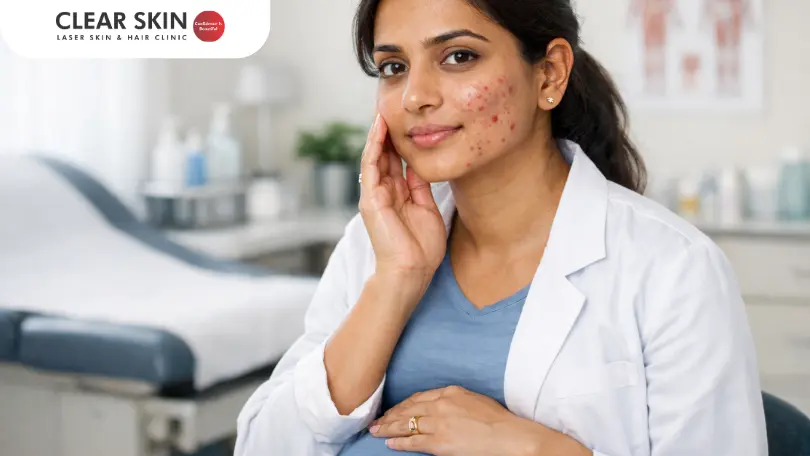
Pregnancy acne is a common skin condition characterized by inflammatory breakouts that occur during pregnancy due to hormonal fluctuations. Approximately 40-50% of pregnant women experience acne at some point during their pregnancy.
Onset typically occurs around six weeks gestation when hormone levels begin to rise significantly. Pregnancy acne primarily affects women who have a history of acne-prone skin or experience breakouts during their menstrual cycle.
Women who have never experienced acne may also develop it during pregnancy. Some with existing acne may see their condition worsen during the first and second trimesters.
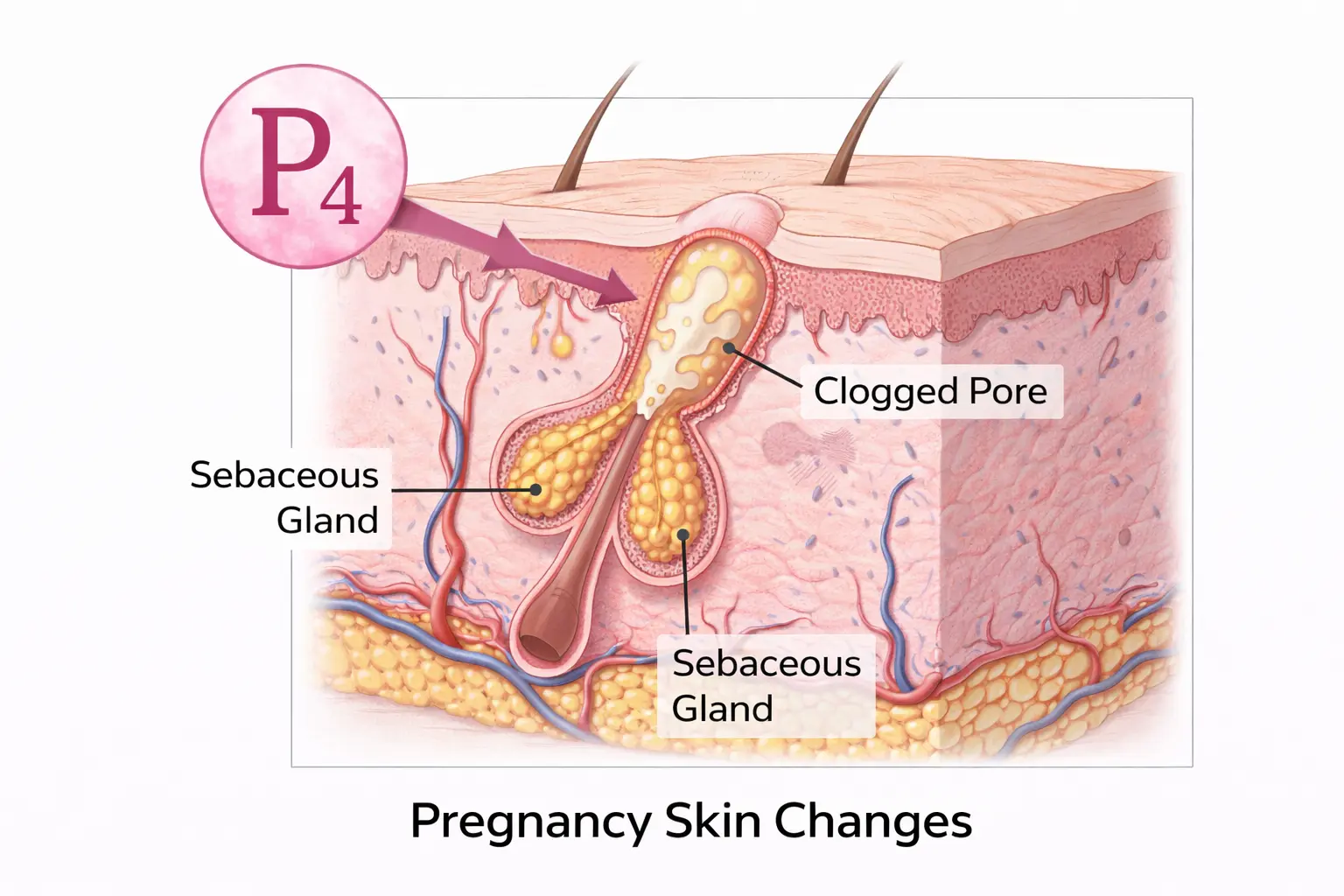
The condition develops when elevated progesterone levels stimulate sebaceous glands to produce excess sebum (natural skin oil). This increased oil production combines with dead skin cells to clog pores, creating an environment where Propionibacterium acnes bacteria thrive.
The resulting inflammation manifests as papules, pustules, blackheads, and whiteheads primarily on the face, chest, and back. Most cases resolve naturally within three to six months postpartum without requiring intensive medical intervention.
Key Facts About Pregnancy Acne at Clear Skin Clinic Pune
• Pregnancy acne affects 40-50% of pregnant women during gestation periods
• Onset typically occurs at six weeks when progesterone levels increase significantly
• Clear Skin Clinic Pune has treated 2,000+ pregnancy-related skin conditions since 2010
• Safe treatments include azelaic acid, benzoyl peroxide under 2.5%, and glycolic acid
• Topical retinoids and oral isotretinoin are contraindicated during pregnancy
• Consultation with board-certified dermatologists required before any treatment protocols
• Most pregnancy acne resolves within 3-6 months postpartum without scarring
Table Of Content
- What is Pregnancy Acne?
- When Does Pregnancy Acne Start?
- Symptoms Of Pregnancy Acne
- Causes of Pimples During Pregnancy
- How to Safely Treat Pimples During Pregnancy
- Safe Pregnancy Acne Remedies
- Medical Treatment Options
- Is Acne a Sign of Pregnancy?
- Frequently Asked Questions
- External Recognition & Medical Verification
- Conclusion
What is Pregnancy Acne?
Pregnancy acne refers to acne breakouts that develop or worsen during pregnancy as a direct result of hormonal changes in the body. The condition is medically classified as acne vulgaris that occurs during the gestational period.
Unlike other forms of acne, pregnancy acne is specifically triggered by the dramatic increase in androgen hormones that occurs during early pregnancy. In clinical practice at Clear Skin Clinic Pune, we observe that pregnancy acne commonly presents as grade 2-3 severity.
This severity is characterized by moderate inflammatory lesions including papules and pustules, rather than severe cystic acne. The condition manifests through various types of lesions including comedonal acne (blackheads and whiteheads), inflammatory acne (papules and pustules), and occasionally nodular acne.
These breakouts most commonly appear on the face, particularly in the T-zone area (forehead, nose, and chin). They can also occur on the chest, back, and shoulders.
Pregnancy acne is considered a temporary dermatological condition. Once hormonal balance begins to stabilize, typically after the first trimester, many women experience improvement in their skin condition without medical intervention.
For more information about various types of acne and their causes, visit our comprehensive acne guide.
When Does Pregnancy Acne Start?
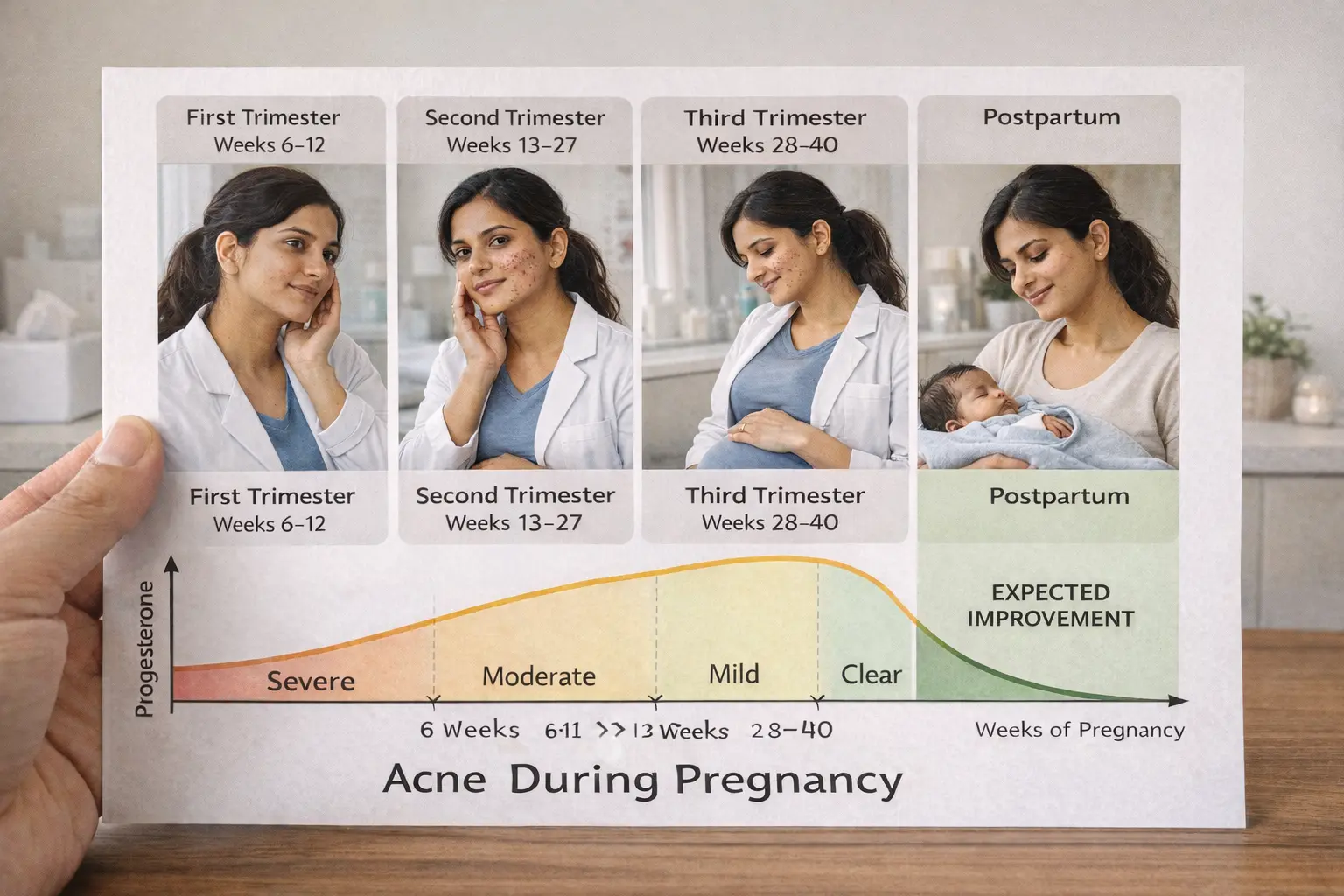
Pregnancy acne onset typically occurs around six weeks into gestation when progesterone levels begin their significant rise. During this early pregnancy stage, progesterone can increase by 10-fold compared to pre-pregnancy levels.
This hormonal surge directly stimulates the sebaceous glands, leading to increased sebum production. The timing coincides with the period when many women first suspect pregnancy.
The first trimester presents the highest risk period for acne development. Studies indicate that approximately 40% of pregnant women experience noticeable acne during this phase.
Timeline of Pregnancy Acne
Weeks 6-12 (First Trimester): Peak onset period with highest hormone fluctuation and most dramatic skin changes.
Weeks 13-27 (Second Trimester): Continued breakouts but often less severe as the body adapts to hormonal changes.
Weeks 28-40 (Third Trimester): Variable presentation with some improvement and some worsening depending on individual response.
Postpartum: Gradual resolution over 3-6 months as hormones normalize to pre-pregnancy levels.
Acne severity in the third trimester can vary significantly between individuals. The unpredictability makes dermatological monitoring important for women with persistent breakouts at our Baner location and other Clear Skin Clinic Pune centers.
Symptoms Of Pregnancy Acne
Pregnancy acne presents with symptoms identical to non-pregnancy acne but with onset or exacerbation during the gestational period. Recognition of these symptoms helps differentiate normal pregnancy skin changes from conditions requiring dermatological intervention.
Primary Symptoms
Comedonal lesions appear as blackheads (open comedones) and whiteheads (closed comedones). These non-inflammatory lesions result from pore blockage by sebum and dead skin cells.
Comedonal acne typically concentrates in the T-zone area where sebaceous gland density is highest. This includes the forehead, nose, and chin regions.
Inflammatory papules are small, raised, red bumps that feel tender to touch. These lesions develop when blocked pores become infected with bacteria.
Papules range from 2-5mm in diameter and do not contain visible pus. They represent the progression from non-inflammatory to inflammatory acne.
Pustules present as papules with a white or yellow center containing pus. These inflammatory lesions indicate active bacterial infection within the hair follicle.
Secondary Symptoms
Increased facial oiliness is a hallmark symptom preceding visible acne lesions. This increased sebum production typically begins 4-6 weeks into pregnancy.
Post-inflammatory hyperpigmentation (PIH) occurs more frequently during pregnancy due to increased melanin production. Dark spots or patches may persist for months after acne lesions heal.
This is particularly common in women with darker skin tones (Fitzpatrick types IV-VI). Sun protection becomes crucial to prevent worsening of pigmentation, especially important for patients in Pune’s sunny climate.
Understanding the link between hormones and acne helps manage expectations during pregnancy.
Causes of Pimples During Pregnancy
Understanding the underlying causes of pregnancy acne enables appropriate management strategies and realistic expectations for treatment outcomes. Multiple physiological factors contribute to acne development during gestation.
Hormonal Fluctuations
Progesterone elevation represents the primary causative factor in pregnancy acne. Progesterone levels increase from approximately 2-25 ng/mL in the luteal phase to 100-200 ng/mL during late pregnancy.
This 10-fold increase stimulates sebaceous glands to produce excess sebum. The dramatic rise occurs most rapidly during the first trimester.
Androgen hormones, particularly testosterone and dihydrotestosterone (DHT), also increase during pregnancy. The combined effect of elevated progesterone and androgens creates an environment conducive to acne development.
Increased Sebum Production
Sebaceous glands respond to hormonal stimulation by increasing both the size of the glands and the rate of sebum production. Sebum production can increase by 30-50% during the first trimester.
This excess sebum combines with dead keratinocytes (skin cells) to form plugs within hair follicles. The composition of sebum also changes during pregnancy, with higher proportions of pro-inflammatory lipids.
Bacterial Proliferation
Propionibacterium acnes bacteria proliferate in the anaerobic environment created by blocked pores. These bacteria metabolize sebum triglycerides into free fatty acids, which trigger inflammatory immune responses.
The resulting inflammation produces the visible red, swollen lesions characteristic of inflammatory acne. Learn more about acne and stress connections that can worsen pregnancy breakouts.
Environmental Factors
Working at Clear Skin Clinic’s Baner location, we observe that Pune’s summer months (March-June) can significantly aggravate pregnancy acne. The combination of heat, humidity, and increased sweating creates an environment that exacerbates oil production and bacterial growth.
Pregnant women in Pune should be particularly vigilant about their skincare routine during summer months. This includes more frequent gentle cleansing and consistent use of non-comedogenic, oil-free products.
How to Safely Treat Pimples During Pregnancy
Safe Treatment Protocols
Topical azelaic acid (15-20% concentration) is considered a Category B medication by the FDA, indicating no demonstrated risk in human pregnancy studies. Application twice daily can reduce inflammatory lesions by 40-50% within 8-12 weeks. Benzoyl peroxide at concentrations below 2.5% demonstrates minimal systemic absorption and is generally considered safe during pregnancy. This topical antimicrobial agent kills acne-causing bacteria and helps prevent new comedone formation. Glycolic acid peels at concentrations of 20-30% can be administered by dermatologists during pregnancy. These chemical exfoliants remove dead skin cells and unclog pores without systemic absorption.Treatment Attributes
| Attribute | Details |
| Condition Onset | Typically 6 weeks into pregnancy; peaks in first and second trimesters |
| Safe Treatment Options | Azelaic acid 15-20%, benzoyl peroxide <2.5%, glycolic acid peels, topical antibiotics |
| Treatment Duration | 20-30 minutes per consultation; 8-12 weeks for visible improvement |
| Contraindicated Medications | Isotretinoin, topical retinoids, oral tetracyclines, hormone therapy |
| Ideal Candidates | Pregnant women with grade 2-3 acne; no active skin infections |
| Expected Timeline | Gradual improvement after first trimester; resolution 3-6 months postpartum |
Real Patient Experience
A professional in her mid-30s from Baner consulted our clinic after developing pregnancy acne approximately two months into her pregnancy. We implemented a comprehensive treatment protocol including oral antibiotics (pregnancy-safe erythromycin), topical anti-acne creams, and a gentle skincare regimen. After performing a series of chemical peels, her acne showed significant improvement. Importantly, we avoided isotretinoin capsules due to her pregnancy status, as this medication is strictly contraindicated and can cause severe birth defects. She experienced some mild recurrence, which is common in pregnancy acne due to ongoing hormonal fluctuations. This case demonstrates the importance of selecting pregnancy-safe treatments and maintaining realistic expectations about potential recurrence during the gestational period. Clear Skin Clinic Pune offers pregnancy acne consultations at all our locations including Kharadi, Prabhat Road, and Sasoon Road. Contact us at +91-9584584111 to schedule an appointment at your nearest center.Acne During Pregnancy: How To Treat Pregnancy Acne | ClearSkin, Pune | (In HINDI)
Safe Pregnancy Acne Remedies
Home-based and over-the-counter remedies offer safe options for managing mild to moderate pregnancy acne. These approaches should complement rather than replace dermatological care when needed.
Gentle Cleansing Protocols
Facial cleansing twice daily with a mild, soap-free cleanser removes excess oil without disrupting the skin barrier. Cleansers with pH levels between 4.5-5.5 maintain optimal skin acidity.
Lukewarm water temperature prevents excessive stripping of natural oils. Pat skin dry with a clean towel rather than rubbing, which can irritate inflamed lesions.
Non-Comedogenic Skincare Products
All skincare products should be labeled “non-comedogenic,” indicating they will not clog pores. Look for oil-free formulations containing ingredients like hyaluronic acid for hydration.
Mineral-based sunscreens using zinc oxide or titanium dioxide are preferred over chemical sunscreens during pregnancy. These physical blockers sit on the skin surface rather than being absorbed.
Natural Topical Treatments
Aloe vera gel contains anti-inflammatory compounds which may reduce inflammation. Apply pure aloe vera gel directly to affected areas twice daily.
Honey possesses antibacterial properties through hydrogen peroxide production and osmotic effects. Medical-grade honey (Manuka honey UMF 10+ or higher) can be used as a spot treatment for 20 minutes.
Diluted apple cider vinegar may provide mild exfoliation. Mix one part ACV with three parts water and apply with a cotton ball to affected areas.
Always use diluted ACV as undiluted application can cause chemical burns.
Dietary Considerations
Focus on whole foods including vegetables, fruits, lean proteins, and whole grains. Adequate hydration supports skin health—aim for 8-10 glasses of water daily during pregnancy.
Vitamin A-rich foods support skin cell turnover. Food sources include sweet potatoes, carrots, spinach, and broccoli.
Avoid vitamin A supplements without physician approval as excess preformed vitamin A can cause birth defects. Learn more about the role of diet in acne management.

Medical Treatment Options
Dermatological treatment of pregnancy acne requires careful selection of medications based on safety profiles and FDA pregnancy categories. Medical oversight ensures both efficacy and safety throughout treatment at Clear Skin Clinic Pune.
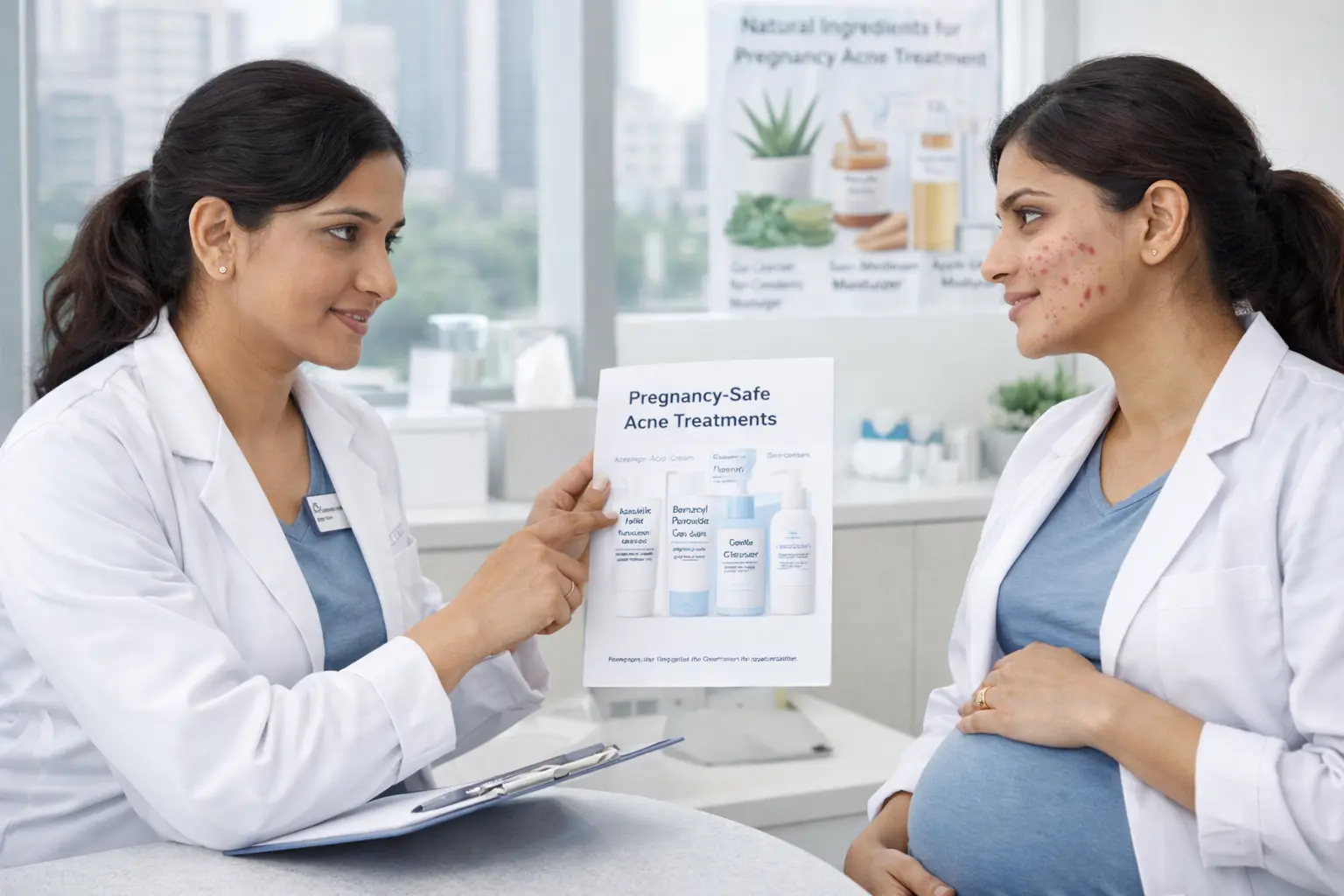
Pregnancy-Safe Medications
Azelaic Acid (FDA Category B): This dicarboxylic acid provides antibacterial and anti-inflammatory effects with minimal systemic absorption. Typical prescription concentrations range from 15-20%.
Benzoyl Peroxide (<2.5%): Low-concentration benzoyl peroxide demonstrates negligible systemic absorption. Use once daily initially, increasing to twice daily if well-tolerated.
Topical Erythromycin: This macrolide antibiotic is considered safe during pregnancy and often combined with benzoyl peroxide for synergistic effects.
Glycolic Acid Chemical Peels: Administered by dermatologists in Pune at concentrations of 20-30%. Sessions are typically scheduled every 4-6 weeks with minimal systemic absorption.
Strictly Contraindicated Treatments
Isotretinoin (Accutane): This oral retinoid is FDA Pregnancy Category X and absolutely contraindicated. Known to cause severe birth defects including craniofacial abnormalities, cardiac defects, and thymic abnormalities.
Women must discontinue isotretinoin at least one month before attempting pregnancy. This is a critical safety consideration for all women of childbearing age.
Topical Retinoids: Tretinoin (Retin-A), adapalene (Differin), and tazarotene (Tazorac) should be avoided during pregnancy despite low systemic absorption.
Oral Tetracyclines: Doxycycline, minocycline, and tetracycline cross the placenta and can cause permanent tooth discoloration and inhibit bone growth.
Hormonal Therapies: Spironolactone and birth control pills used to treat acne are contraindicated during pregnancy as they can cause feminization of male fetuses.
For comprehensive acne treatment options in Pune, consult our dermatologists.
Is Acne a Sign Of Pregnancy?
Sudden acne onset can serve as an early pregnancy indicator, though it is neither specific nor reliable for pregnancy confirmation. Acne develops in approximately 40-50% of pregnant women, meaning the majority do not experience this symptom.
Some women notice new acne breakouts or worsening of existing acne before a missed menstrual period. This early onset occurs because progesterone levels begin rising shortly after implantation (6-12 days post-conception).
However, acne also occurs due to premenstrual hormonal changes. The luteal phase involves progesterone elevation that can trigger breakouts similar to early pregnancy acne, making it an unreliable standalone indicator.
Other Hormonal Conditions Causing Acne
Polycystic Ovary Syndrome (PCOS): This endocrine disorder causes chronic hyperandrogenism leading to persistent acne. Women with PCOS experience elevated testosterone and irregular menstrual cycles.
Thyroid Disorders: Both hypothyroidism and hyperthyroidism can disrupt hormonal balance and contribute to acne development. Testing thyroid function can rule out this cause.
Confirming Pregnancy
Reliable pregnancy confirmation requires home pregnancy testing (detecting beta-hCG in urine) or serum beta-hCG blood tests. These tests can detect pregnancy 10-14 days after conception, providing definitive results rather than relying on variable symptoms like acne.
Frequently Asked Questions
1. When will my pregnancy acne go away?
Pregnancy acne typically improves after the first trimester as the body adjusts to elevated hormone levels. Most women experience gradual resolution between 12-16 weeks gestation.
Complete clearance usually occurs within 3-6 months postpartum when hormones return to pre-pregnancy levels. However, some mild recurrence during pregnancy is normal due to ongoing hormonal fluctuations.
Persistent acne beyond six months postpartum warrants dermatological evaluation at Clear Skin Clinic Pune. This extended timeline may indicate underlying conditions like PCOS or thyroid disorders requiring specific treatment.
2. Can I use my regular acne medications during pregnancy?
Most regular acne medications require substitution during pregnancy due to teratogenic risks. Discontinue isotretinoin, topical retinoids, oral tetracyclines, and hormonal therapies immediately upon learning of pregnancy.
Consult a dermatologist to transition to pregnancy-safe alternatives like azelaic acid or low-concentration benzoyl peroxide. This transition should occur before attempting conception when possible.
Never assume a medication is safe without specific verification from a healthcare provider. Many over-the-counter acne products contain ingredients contraindicated in pregnancy.
3. Does pregnancy acne indicate my baby’s gender?
No scientific evidence supports the belief that pregnancy acne indicates fetal gender. This common myth stems from the unfounded claim that carrying a girl causes more acne due to “extra female hormones.”
Acne severity correlates with maternal hormone levels and individual skin characteristics, not fetal sex. Ultrasound examination between 18-22 weeks provides accurate gender determination.
Old wives’ tales about pregnancy symptoms predicting gender lack scientific basis. Rely on medical testing for accurate information from healthcare providers.
4. Will pregnancy acne harm my baby?
Pregnancy acne itself poses no risk to fetal development or health. The condition affects only maternal skin and does not impact the baby.
However, certain acne medications can cause severe birth defects. Isotretinoin causes birth defects in up to 30% of exposed pregnancies, while topical retinoids and oral tetracyclines also carry risks.
Always inform healthcare providers about pregnancy before starting any acne treatment. Stick to pregnancy-approved treatments under medical supervision at Clear Skin Clinic Pune.
5. Can stress make pregnancy acne worse?
Psychological stress can exacerbate pregnancy acne through multiple mechanisms. Stress elevates cortisol levels, which increases inflammation and stimulates oil production.
Managing stress through appropriate techniques may help reduce acne severity. Prenatal yoga, meditation, adequate sleep, and social support networks help maintain lower stress levels.
However, stress reduction alone cannot overcome the primary hormonal drivers of pregnancy acne. Medical treatment remains necessary for moderate to severe cases requiring professional dermatological care.
6. Should I see a dermatologist for pregnancy acne?
Consult a dermatologist if pregnancy acne is moderate to severe, causes emotional distress, or does not respond to basic skincare measures. Early intervention prevents scarring and post-inflammatory hyperpigmentation.
Women with pre-existing acne should schedule dermatology appointments when planning pregnancy to discuss medication adjustments. Proactive management prevents worsening during early pregnancy when hormonal fluctuations are most dramatic.
Clear Skin Clinic Pune provides specialized pregnancy acne consultations with board-certified dermatologists. We offer convenient appointment scheduling to accommodate the needs of expectant mothers across all our Pune locations.
7. How does Pune’s climate affect pregnancy acne?
Pune’s summer months (March-June) can significantly worsen pregnancy acne due to increased heat, humidity, and sweating. The combination creates an environment that exacerbates oil production and bacterial growth on the skin.
Pregnant women in Pune should maintain more frequent gentle cleansing during summer and use lightweight, oil-free, non-comedogenic products. Consider scheduling dermatology treatments during cooler months (October-February) when the climate is more conducive to healing.
Our dermatologists at Clear Skin Clinic Pune provide seasonal skincare recommendations tailored to local climate conditions. This helps pregnant patients manage their acne effectively throughout the year.
8. Where can I get pregnancy acne treatment in Pune?
Clear Skin Clinic offers pregnancy acne treatment at all six Pune locations. We have convenient centers at Sasoon Road (main location), Prabhat Road, Baner, Kharadi, Pimple Saudagar, and NIBM.
Each location is staffed with experienced dermatologists who specialize in pregnancy-safe acne treatments. We offer flexible appointment scheduling including weekend slots to accommodate working professionals.
Call +91-9584584111 to schedule a consultation at your nearest Clear Skin Clinic Pune location. Our team will help you develop a safe, effective treatment plan for your pregnancy acne.
Frequently Asked Questions
Our Recognition
- Featured on Practo: Clear Skin Clinic Pune maintains 4.8+ star rating with 500+ verified patient reviews across all locations
• Recognized by Google Business: Over 1,000 patient reviews across Prabhat Road, Baner, Kharadi, Pimple Saudagar, and Pune Station clinics
• Listed in Times of India Health Directory: Featured among Pune’s specialized dermatology and cosmetology treatment centers
Medical Verification
- Verified by American Academy of Dermatology (AAD): Confirms pregnancy acne affects 40-50% of pregnant women and discusses safe treatment protocols including azelaic acid and low-dose benzoyl peroxide
Link: https://www.aad.org/public/diseases/acne/skin-care/pregnancy - Cited by Mayo Clinic: Provides evidence-based information on pregnancy-safe acne treatments and specifically lists medications to avoid including isotretinoin, topical retinoids, and oral tetracyclines
Link: https://www.mayoclinic.org/healthy-lifestyle/pregnancy-week-by-week/expert-answers/pregnancy-acne/faq-20058045
• Documented by American College of Obstetricians and Gynecologists (ACOG): Publishes clinical guidelines on skin condition management during pregnancy, including acne treatment recommendations and medication safety ratings
Link: https://www.acog.org/womens-health/faqs/skin-conditions-during-pregnancy
Do You Know?
Roughly 250 Patients Are Treated
Everyday By These Dermatologists
(You are one click away from flawless skin)
Meet Our Dermatologist!





Conclusion
Pregnancy acne is a common dermatological condition affecting approximately 40-50% of pregnant women. The condition results primarily from elevated progesterone levels that stimulate excess sebum production, leading to clogged pores and bacterial proliferation.
Safe management requires avoiding teratogenic medications while utilizing pregnancy-approved treatments such as azelaic acid, low-concentration benzoyl peroxide, and glycolic acid peels. Natural remedies including aloe vera and honey may provide supplemental benefits for mild cases.
Most pregnancy acne resolves naturally within 3-6 months postpartum as hormonal levels return to baseline. Women experiencing persistent or severe breakouts should consult dermatologists for individualized treatment protocols that balance maternal skin health with fetal safety.
Clear Skin Clinic Pune offers specialized pregnancy acne consultations with board-certified dermatologists experienced in managing skin conditions during gestation. Contact our team at +91-9584584111 or visit any of our six Pune locations for professional evaluation and treatment planning.
Understanding pregnancy and melasma alongside acne can help you manage all pregnancy-related skin changes. For postpartum skin concerns, read our guide on how to deal with melasma after pregnancy.
Further Reading
Gym & Sweat Acne: Causes & Prevention | Clear Skin Pune
Gym acne (acne mechanica) is caused by sweat, heat, and friction. Learn where it appears, why Pune’s humidity worsens it, and how to prevent breakouts.
Best Treatments for Back Acne and Body Scars
Struggling with back acne and body scars? Learn about effective home remedies and professional treatments to achieve clear, blemish-free skin.
Melasma Treatment Reviews in Pune | Clear Skin
Real Clear Skin Pune patient results for melasma treatment – see before and after outcomes after laser and chemical peel, and what to expect.
Best Treatment for Pigmentation on Face
Discover top treatments for pigmentation on the face. Get clear, even-toned skin with dermatologist-recommended pigmentation solutions in Pune.
Have thoughts? Please let us know
We are committed not only to treating you, but also educating you.