
Does Laser Hair Removal Work on Thin or Light-Coloured Hair?

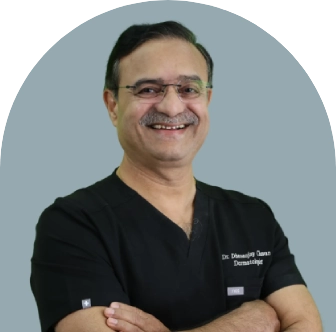
Written by Clear Skin Content Team | Medically Reviewed by Dr. Dhanraj Chavan on March 26, 2026
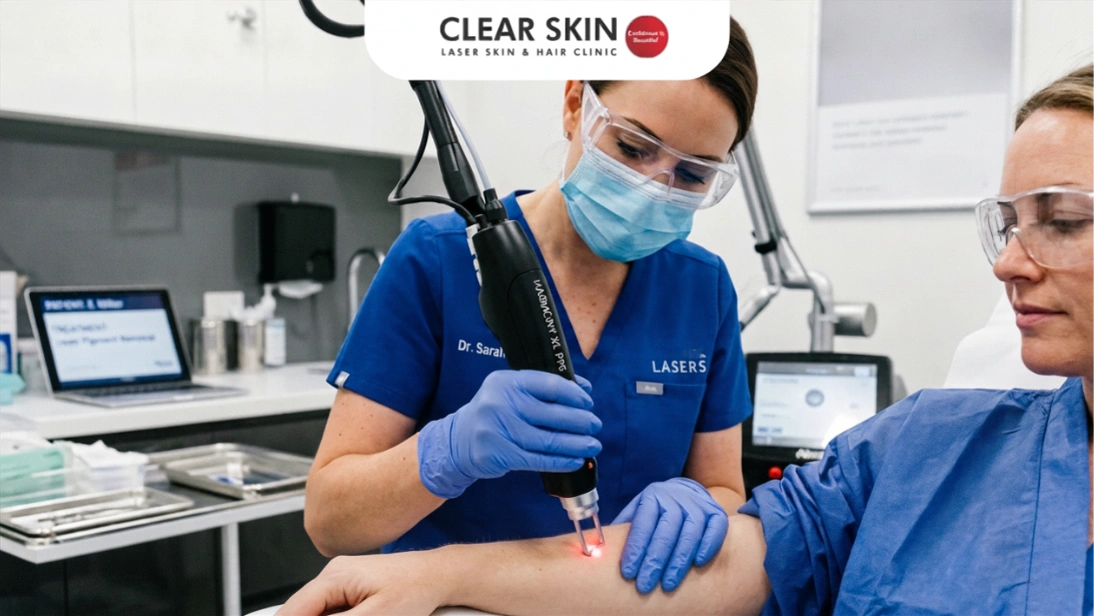
Laser hair removal works by targeting melanin – the pigment present inside hair follicles. Hair with low melanin content, including thin, fine, and light-coloured strands, absorbs laser energy poorly. This limits treatment effectiveness and, in certain cases, makes laser hair removal unsuitable as a primary option.
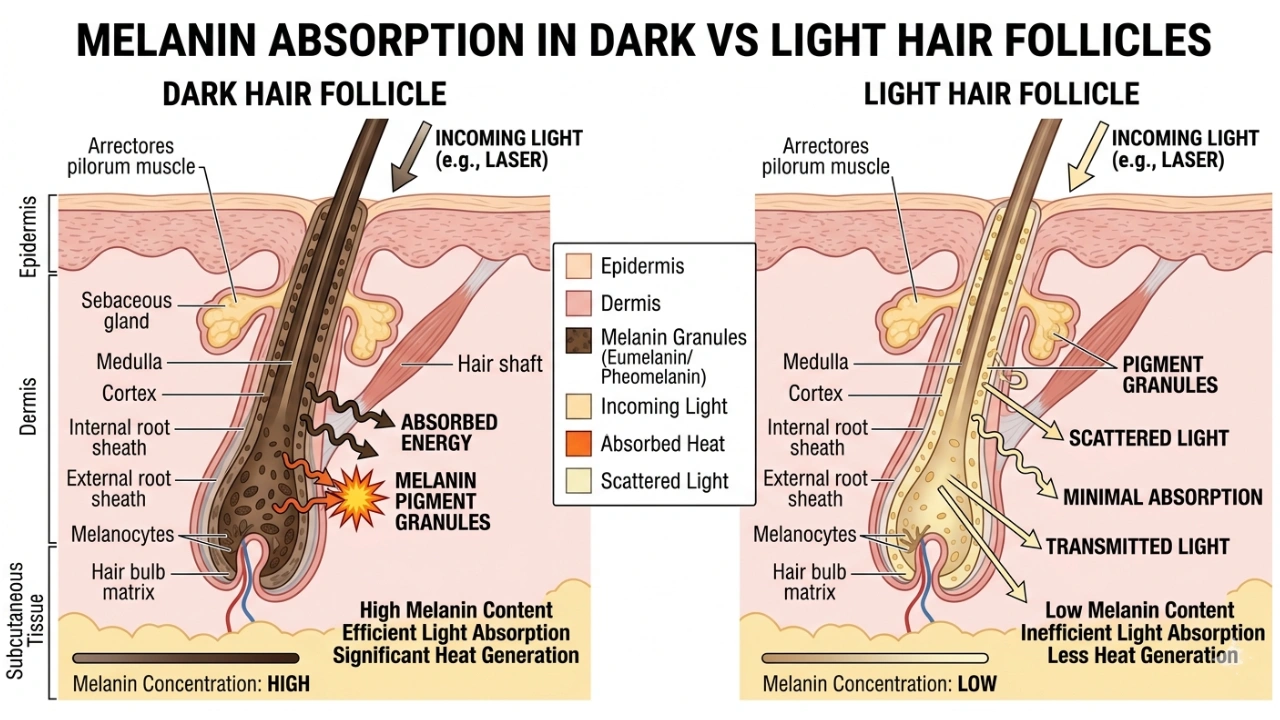
The treatment uses a process called selective photothermolysis. The laser emits light at a specific wavelength, which is absorbed by melanin in the hair follicle. That absorption converts to heat, which damages the follicle and interrupts hair growth. For this to work, the follicle must contain enough melanin to absorb a meaningful amount of energy.
Dark, coarse terminal hair on light-to-medium skin (Fitzpatrick types I-IV) contains the highest melanin concentration and responds best to laser treatment. Light-coloured hair – white, grey, true blonde, and red – contains minimal eumelanin and responds poorly. Very fine vellus hair, including facial peach fuzz, presents a similar challenge regardless of colour.
Clear Skin Clinic Pune uses a diode laser system with adjustable wavelengths to treat a wide range of hair types across Fitzpatrick skin types I-V. Patients with thin or light-coloured hair receive an individual assessment before treatment to determine whether laser hair removal in Pune is appropriate, or whether an alternative approach will produce better outcomes.
Table Of Content
- Key Facts: Laser Hair Removal for Thin or Light-Coloured Hair
- Key Treatment Attributes: Laser Hair Removal by Hair Type
- How Does Laser Hair Removal Actually Target Hair?
- Does Hair Thickness Change the Outcome?
- Which Hair Colours Can Still Get Results?
- Does Modern Technology Change Anything for Light Hair?
- When Should You Consider an Alternative to Lasers?
- Frequently Asked Questions
- As Verified By
- Conclusion
Key Facts: Laser Hair Removal for Thin or Light-Coloured Hair
- Laser hair removal targets eumelanin, the dark pigment in brown and black hair
- Dark, coarse hair on Fitzpatrick skin types I-IV responds best to treatment
- White, grey, true blonde, and red hair lack sufficient eumelanin for effective laser targeting
- Fine vellus hair (peach fuzz) does not respond to standard laser treatment regardless of colour
- Light brown and dark blonde hair with visible pigment can show partial reduction over multiple sessions
- Thin but pigmented hair typically requires 6-10 sessions versus 4-6 for coarse dark hair
- Electrolysis is the only hair removal method proven to work independently of hair colour
Key Treatment Attributes: Laser Hair Removal by Hair Type
|
Attribute |
Detail |
|
Treatment Type |
Diode laser hair removal |
|
Best Candidates |
Fitzpatrick I-V with dark, coarse terminal hair |
|
Hair Types with Limited Response |
White, grey, true blonde, red, fine vellus hair |
|
Sessions Required (ideal candidates) |
4-6 sessions spaced 4-6 weeks apart |
|
Sessions Required (thin or light hair) |
6-10+ sessions; reduced endpoint expected |
|
Expected Reduction (dark coarse hair) |
70-90% long-term hair reduction |
|
Expected Reduction (light or thin hair) |
Partial reduction only; varies by individual |
|
Wavelength Used |
808 nm, 940 nm, 1064 nm (diode) |
|
Technology |
Diode laser (adjustable multi-wavelength) |
How Does Laser Hair Removal Actually Target Hair?
The Role of Melanin – the Laser’s Only Target
Laser hair removal uses selective photothermolysis to damage hair follicles. This process relies on one variable: the presence of melanin in the hair shaft and follicle. When laser light strikes a follicle with sufficient melanin, the pigment absorbs the energy and converts it into heat. That heat rises above 60°C, damaging the follicular stem cells and interrupting regrowth.
Without enough melanin, the laser energy passes through the hair without generating meaningful heat. The follicle remains intact, and the hair continues to grow. This is not a failure of technique – it is a physical constraint built into how the treatment works. Published clinical research on selective photothermolysis confirms that melanin concentration in the target tissue is the primary predictor of laser hair removal outcome.
To understand how the full laser hair removal process works from first session to final result, that guide covers each stage in detail.
Eumelanin vs Pheomelanin – Why Hair Colour Matters
Hair contains two types of melanin. Eumelanin is the brown-black pigment found in dark hair. It absorbs laser energy efficiently across multiple wavelengths.
Pheomelanin is the red-yellow pigment found in blonde and red hair. It absorbs laser energy poorly and at a different spectral range than diode and Nd:YAG systems use.
White and grey hair contains almost no melanin of either type. The follicle produces little to no pigment, which is why these hair colours are effectively laser-resistant. Red and true blonde hair contains predominantly pheomelanin, which does not absorb at wavelengths standard devices operate at. This is the core reason light-coloured hair has a fundamentally different – and more limited – treatment profile from dark hair.
For a deeper look at everything melanin does in the skin and hair, that guide covers how pigment production varies between individuals and how it affects treatment response.
Does Hair Thickness Change the Outcome?
Hair thickness is a separate variable from hair colour – and it matters. A follicle needs both sufficient melanin and sufficient mass to absorb and hold heat long enough for thermal damage to occur. Thin, fine hair – even when dark – holds less total melanin per follicle and heats up less effectively than coarse hair of the same colour. This is why hair type and hair colour are assessed together, not separately.
Terminal Hair vs Vellus Hair
Terminal hair is the thick, pigmented hair found on the scalp, underarms, legs, and face in adults. It contains the highest concentration of melanin per follicle and is the hair type laser treatment is designed for. Vellus hair is the fine, short, lightly pigmented hair that covers most of the body surface, commonly called peach fuzz.
Facial vellus hair is largely resistant to laser treatment. The follicles are shallow and contain too little melanin to absorb enough energy for thermal damage. Attempting to treat vellus hair at high settings increases the risk of surface irritation without producing a proportional improvement in hair reduction.
Why Fine Hair Is Harder Even When Dark
A fine dark hair contains less total melanin than a coarse dark hair, even when the colour appears identical. Lower total melanin means lower heat absorption per follicle. The laser may generate some response, but the damage may fall below the therapeutic threshold – meaning the follicle is stressed rather than destroyed, and regrowth resumes within weeks.
This accounts for one of the most common reasons patients notice inconsistent results across different body areas. Fine body hair often responds differently than coarser terminal hair on the same person. Understanding what to do when laser hair removal does not produce expected results can help distinguish between normal variability and a need to adjust treatment.
Which Hair Colours Can Still Get Results?
To recap what has been covered: laser hair removal at Clear Skin Clinic Pune depends on the follicle containing sufficient eumelanin to absorb diode laser energy. The primary decision factors are hair colour, hair thickness, and Fitzpatrick skin type. The sections below cover specific colour ranges, what technology changes (and does not change), and when a different approach is the right call.
Light Brown and Dark Blonde – The Grey Zone
Light brown and dark blonde hair sits in a transitional range. These colours contain a mix of eumelanin and pheomelanin, which means some melanin absorption is possible. Patients with medium-pigmented hair in this range often see partial reduction over multiple sessions, though the endpoint is lower than with dark hair.
The outcome in this category depends heavily on individual pigmentation depth. Darker light brown hair responds better than near-blonde shades. A patch test before committing to a full course is advisable, since before-and-after results for laser hair removal vary considerably in this transitional colour range.
White, Grey, and True Blonde – the Honest Answer
White, grey, and true blonde hair does not respond to standard laser hair removal. This is not a matter of using higher settings or increasing session frequency – the follicle does not contain enough melanin to absorb the laser wavelengths currently used in clinical practice. Attempting to compensate by increasing energy output raises the risk of epidermal burns without improving follicle targeting.
Red hair presents a similar problem. The pheomelanin it contains does not absorb at the wavelengths diode and Nd:YAG systems operate at. Patients in these categories need a different primary approach, which the final section of this article covers.
Does Modern Technology Change Anything for Light Hair?
The honest answer is: current laser technology has improved significantly for patients with darker skin tones but has not solved the light-hair problem. The fundamental limit is not the device – it is the absence of a chromophore (a light-absorbing target) inside the follicle. No adjustment to wavelength, pulse duration, or energy output changes what happens when the target is not there.
What the Diode Laser Can and Cannot Do?
Clear Skin Clinic Pune uses a diode laser for hair removal with adjustable wavelengths across 808 nm, 940 nm, and 1064 nm. The diode system treats a broader range of skin tones than older Alexandrite systems. The 940-1064 nm range is well-suited to darker Indian skin tones (Fitzpatrick IV-V), where the longer wavelength reduces the risk of epidermal absorption.
For light-coloured hair, adjusting the wavelength does not resolve the core issue. A longer wavelength penetrates deeper and causes less surface damage – but depth of penetration is irrelevant when the target is absent. The comparison of which laser works best for different hair types covers this in detail, including where different device types perform differently.
IPL vs Laser for Light Hair – What’s the Difference?
Intense Pulsed Light (IPL) uses a broad spectrum of wavelengths rather than a single focused beam. This wider output can occasionally stimulate a response in some lighter hair that contains trace amounts of melanin. However, IPL delivers lower energy per follicle than a true laser and is not significantly more effective on white, grey, or red hair.
No published clinical evidence supports IPL as a reliable solution for truly melanin-deficient hair. For patients with light brown or dark blonde hair where some melanin is present, IPL may provide supplemental reduction in specific areas. It is not a replacement for laser in standard treatment cases. For an overview of laser hair removal risks and side effects relevant to your hair and skin profile, that guide covers what to expect before and after treatment.
When Should You Consider an Alternative to Lasers?
If your hair is white, grey, red, or true blonde and your goal is meaningful long-term reduction, laser hair removal is not the right first-line option. Recognising this early avoids investing in multiple sessions with limited return. This applies regardless of how advanced the device being used is.
Electrolysis – the Only Colour-Blind Method
Electrolysis destroys hair follicles using an electric current delivered through a fine probe inserted into each individual follicle. It is the only hair removal method entirely independent of hair colour. The current damages the follicle directly, with no dependency on melanin. The American Academy of Dermatology recognises electrolysis as the only method proven to deliver permanent hair removal across all hair colours and skin types.
The practical limitation of electrolysis is speed. It treats one follicle at a time, making it impractical for large body areas but genuinely effective for small, defined zones such as the upper lip, chin, or eyebrow margins. For patients with white or grey facial hair, electrolysis is the most clinically reliable option available.
Combination Approaches at Clear Skin Clinic
For patients with mixed hair profiles – coarser, darker terminal hair alongside lighter, finer strands – a combination approach may be appropriate. Laser addresses the terminal hair that responds well; other methods handle what the laser cannot target. Clear Skin Clinic assesses each patient’s hair type, skin tone, and goals before recommending a course of action. Reviewing the safest methods for unwanted hair removal before your consultation helps you know what questions to ask.
It is also worth noting that not all unwanted hair growth has the same cause. Hormonal factors can drive persistent or recurrent hair growth – and this affects both the type of hair produced and how it responds to any treatment. Clear Skin Clinic’s dermatologists assess whether underlying factors such as PCOS or hormonal imbalance need to be addressed alongside any hair removal approach.
Frequently Asked Questions
Does laser hair removal work on thin hair?
Thin hair produces less heat when struck by the laser because it contains less melanin per follicle. Fine terminal hair with visible pigment may still see partial reduction, but results are typically slower and less complete than with coarse hair. Very fine vellus hair does not respond to standard laser treatment.
Can I get laser treatment if my hair is light brown?
Light brown hair with visible colour contains mixed melanin and may produce partial results over multiple sessions. The outcome depends on the depth of pigmentation – darker light brown shades respond better than near-blonde ones. A patch test before committing to a full course is advisable, since individual response in this colour range varies considerably.
Why doesn’t a laser remove white or grey hair?
White and grey hair contains very little or no melanin. Laser energy requires a pigment target in the follicle to generate heat. Without that target, the energy passes through without causing follicular damage. No current laser technology can reliably treat hair that lacks pigment, regardless of device brand or energy settings.
How many sessions will I need if I have thin or fine hair?
Patients with fine but pigmented hair typically need 6-10 sessions, compared to 4-6 for coarse dark hair. The final degree of reduction may also be lower. Your dermatologist will assess your hair type and treatment response after the first two or three sessions and adjust the plan accordingly. Understanding how many laser sessions are typically needed will help you set realistic expectations before starting.
Is it safe to try lasers on light hair even if results are not guaranteed?
Laser treatment on low-pigment hair is generally safe when performed at appropriate settings. The risk is limited results, not physical harm – provided the treating clinician does not compensate by increasing energy to unsafe levels. The concern with light hair is cost and time, not safety. Treating hair that cannot absorb the laser does not typically cause injury but does not produce meaningful hair reduction either.
Can a laser remove facial peach fuzz (vellus hair)?
Standard laser hair removal is not effective on vellus hair. Vellus follicles are shallow and contain very little melanin. Dermaplaning is a common option for temporary facial vellus hair removal. For persistent facial hair concerns, a dermatologist assessment can confirm whether the hair is vellus or beginning to transition to terminal growth – which changes the treatment options available.
What is the best alternative if the laser does not work for my hair colour?
Electrolysis is the only clinically recognised permanent hair removal method for light-coloured or depigmented hair. It works independently of melanin and treats one follicle at a time. For larger areas where electrolysis is impractical, long-term waxing regimens combined with periodic electrolysis for priority zones is a common approach. A consultation at Clear Skin Clinic will help determine what combination suits your specific hair profile and goals.
As Verified By
- NCBI/StatPearls – Laser Hair Removal (Clinical Review): The National Center for Biotechnology Information confirms that melanin is the primary chromophore in laser hair removal, and that light skin with dark hair (Fitzpatrick types I-IV) achieves the best outcomes. White, grey, and light-coloured hair presents a recognised clinical challenge. Read the full clinical review
- American Academy of Dermatology (AAD): The AAD confirms that laser hair removal produces the most effective results on dark hair and lighter skin tones, and recognises electrolysis as the only method proven to produce permanent results across all hair colours. View AAD hair removal guidance
- PubMed – Selective Photothermolysis Research Index: Published research on selective photothermolysis confirms that effective follicle destruction requires sufficient chromophore (melanin) concentration in the target tissue. Follicles with low melanin content fall below the therapeutic threshold regardless of device type. PubMed selective photothermolysis research
- Indian Dermatology Online Journal (IDOJ): Clinical guidance from Indian dermatologists addresses the specific context of Fitzpatrick IV-VI skin types, which are common in India. IADVL guidance confirms that diode and Nd:YAG systems perform well on dark terminal hair in Indian patients, while vellus and light hair remain a recognised challenge. IADVL / IDOJ dermatology guidance
Do You Know?
Roughly 250 Patients Are Treated
Everyday By These Dermatologists
(You are one click away from flawless skin)
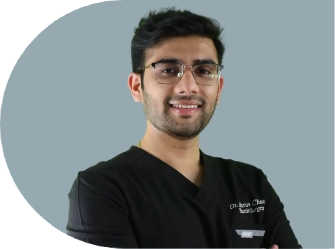
Meet Our Dermatologist!

Conclusion
Laser hair removal is an effective long-term hair reduction method for patients with dark, coarse terminal hair. For patients with thin, fine, or light-coloured hair, the technology has real limitations that honest clinical assessment requires acknowledging upfront.
White, grey, true blonde, and red hair lack the eumelanin needed for laser targeting – and no current device changes that. Fine but pigmented hair can still respond with extended treatment, though results are partial. Light brown hair sits in a transitional range where a patch test and individual assessment are the right starting point.
At Clear Skin Clinic Pune, patients with thin or light-coloured hair receive an individual assessment before any course of treatment is recommended. Where laser is not the right fit, alternative approaches including electrolysis and combination methods are discussed clearly.
To find out whether laser hair removal is suitable for your hair type, book a consultation at Clear Skin Clinic, Pune.
Further Reading
Cinnamon for Acne: Effective Home Remedies That Actually Work
Cinnamon for Acne: Effective Home Remedies
Clear Legs: Dark Spot Treatment | Clear Skin
Discover effective treatments for dark spots on legs with Clear Skin
Online vs Clinic Dermatologist Consultation in Pune – Which Should You Choose?
Easily locate expert dermatological care right next to the Pune Station hub. Skip the travel stress and find top-tier skin treatments conveniently located near you.
Dermatologist Clinics Near Pune Station for Skin Treatments
Easily locate expert dermatological care right next to the Pune Station hub. Skip the travel stress and find top-tier skin treatments conveniently located near you.
Have thoughts? Please let us know
We are committed not only to treating you, but also educating you.