
Is Acne Genetic? Pune Dermatologists Explain

Written by Clear Skin Content Team | Medically Reviewed by Dr. Dhanraj Chavan on January 28, 2026
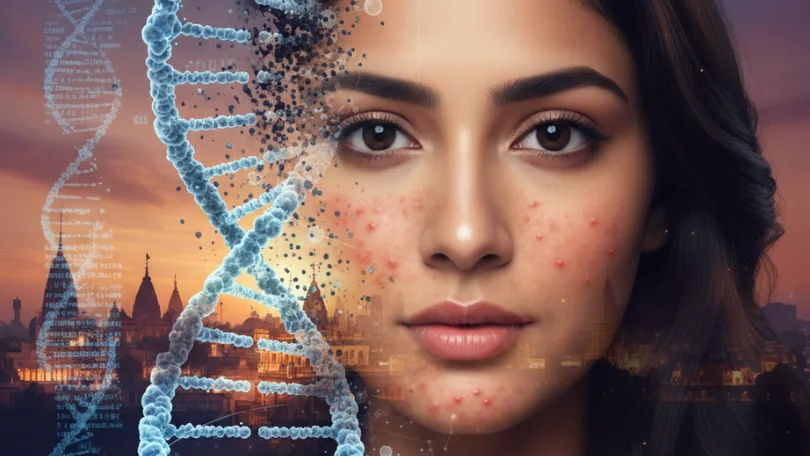
If you’ve ever looked in the mirror and thought, “Thanks, Mom and Dad,” while dealing with yet another breakout, you’re not imagining things. Research shows that genetics accounts for approximately 81% of your acne risk, making it one of the most heritable skin conditions.
At Clear Skin Clinic Pune, Dr. Dhanraj Chavan sees this pattern often in families across Baner, Kharadi, Pimple Saudagar and other areas. Understanding the genetic basis of your acne can help you make better treatment decisions and set realistic expectations.
In this article, you’ll discover how genetics influences acne, which environmental factors you can control, why Pune’s climate matters for genetically prone skin, and what treatment options work best when you’re fighting your DNA.
- Key Takeaways
- The Genetic Truth About Acne
- Understanding the Genetic Risk Factors
- Genetics vs Environment: The Full Picture
- How Pune’s Climate Affects Genetically Prone Skin
- Treatment Options for Genetic Acne in Pune
- Frequently Asked Questions
- Conclusion
Key Takeaways
-
Genetics determines about 81% of your acne risk, with environmental factors accounting for the remaining 19%, according to comprehensive twin studies.
-
If both parents had acne, you’re 3-4 times more likely to develop it, and you may experience more severe forms that persist into adulthood.
-
You can’t change your genes, but you can manage their expression through proper skincare, lifestyle modifications, and professional treatments tailored to genetic acne.
-
Pune’s monsoon humidity can worsen genetic acne by 2-3 times due to increased oil production, making climate-aware skincare essential for residents with genetic predisposition.
The Genetic Truth About Acne
When patients tell Dr. Dhanraj Chavan at Clear Skin Clinic that “everyone in my family has bad skin,” they’re describing a very real genetic inheritance. Multiple large-scale studies confirm what dermatologists have observed for decades: acne runs in families with remarkable consistency.
The most compelling evidence comes from a landmark twin study published in the Journal of Investigative Dermatology, which analyzed 458 pairs of identical twins and 1,099 pairs of fraternal twins. The results were striking: 81% of acne variance could be attributed to genetic factors, with only 19% due to environmental influences.
What the Research Shows
Recent genome-wide association studies have transformed our understanding of acne genetics. Research published in Nature Communications in 2022 identified 29 new genetic variants associated with acne, bringing the total number of known acne risk loci to 46.
These aren’t random genetic variations. They cluster around specific biological pathways that control sebum production, inflammation response, and follicle structure. The genes involved include WNT10A, TGFB2, and EDAR, all of which have been linked to hair follicle development and sebaceous gland function.
A 2023 follow-up study in the European Journal of Human Genetics pushed this even further, identifying 50 genetic loci and showing that individuals in the top 5% of genetic risk had 1.62 times higher acne risk compared to those with average genetic profiles. This research demonstrates that acne isn’t caused by a single “acne gene” but rather by variations across hundreds of genes working together.
Why Some Families Are More Prone to Acne
Dr. Dhanraj Chavan explains that when both parents had acne, especially severe acne, their children face significantly elevated risk. “We regularly see three generations coming through Clear Skin Clinic with the same patterns,” he notes. “Grandparent had cystic acne, parents struggled through their twenties, and now the teenager is experiencing similar issues.”
The inheritance pattern isn’t simply dominant or recessive. Instead, it’s polygenic, meaning multiple genes contribute to your overall risk. This explains why siblings can have vastly different acne severity despite sharing 50% of their genes.
Interestingly, the genetic factors that influence teenage acne partly overlap with, but aren’t identical to, those affecting adult acne. This is why some people “outgrow” their acne while others battle it well into their 30s and 40s.
If you’re experiencing persistent breakouts, understanding whether genetic factors are at play can help guide your treatment approach. Learn more about comprehensive acne treatment options in Pune.
Understanding the Genetic Risk Factors
Your genes don’t directly create pimples. Instead, they influence the biological processes that make acne more likely. Understanding these mechanisms helps explain why some treatments work better for genetic acne than others.
How Your Genes Affect Skin Oil Production?
The primary way genes influence acne is through sebaceous gland size and activity. Research has identified specific genetic variants that cause sebaceous glands to produce more sebum, the oily substance that can clog pores when produced in excess.
One key pathway involves the WNT signaling system. Genetic variants in WNT10A have been strongly associated with acne susceptibility. This gene helps regulate sebaceous gland development and function. When you inherit certain WNT10A variants, your sebaceous glands may be larger and more active than average.
The FASN gene, which codes for fatty acid synthase, also plays a crucial role. This enzyme is essential for lipid production in sebaceous glands. Certain FASN variants lead to increased sebum production, creating an environment where acne-causing bacteria thrive.
Androgens (male hormones present in all genders) are major drivers of sebum production, especially during puberty. Your genetic makeup influences how sensitive your sebaceous glands are to these hormones. Some people have genetically more sensitive androgen receptors, meaning even normal hormone levels trigger excessive oil production.
The Inflammation Connection
Acne isn’t just about oil. It’s fundamentally an inflammatory condition, and your genes significantly influence how your immune system responds to clogged pores and bacteria.
Genetic variants in inflammatory pathways like MAPK (mitogen-activated protein kinase) affect how aggressively your immune system reacts when pores become clogged. Some genetic profiles lead to stronger inflammatory responses, resulting in more painful, red, and swollen acne lesions.
Specific genes involved in immune response, including TNF-α (tumor necrosis factor alpha) and various interleukin genes (IL-1α, IL-6, IL-8), have been linked to acne severity. These genes control the production of inflammatory chemicals that your body releases when fighting bacteria in clogged pores.
Interestingly, recent research has found genetic links between acne and other inflammatory conditions. People with certain genetic variants may be more prone to both acne and conditions like psoriasis, suggesting shared inflammatory pathways.
This inflammatory component explains why some genetic acne responds particularly well to treatments that target inflammation, such as certain oral medications and professional treatments like chemical peels or PRP therapy.
Understanding whether stress worsens your specific acne pattern can also help, since stress hormones interact with these same inflammatory pathways.
Genetics vs Environment: The Full Picture
While the 81-19 split between genetics and environment sounds definitive, the reality is more nuanced. Your genes load the gun, but environmental factors pull the trigger.
The 81-19 Rule
The famous twin study that established the 81% genetic contribution tells us something crucial: even with identical genes, 19% of acne variance still comes from environmental factors. This means two people with identical genetic risk can have different acne severity based on their lifestyle, diet, and environment.
Dr. Dhanraj Chavan emphasizes this point with patients at Clear Skin Clinic: “Your genetics may make you predisposed, but they’re not your destiny. We see identical twins where one has severe acne and the other has mild breakouts. The difference? Often it’s stress, diet, skincare routine, or even their job environment.”
This interaction between genes and environment is called gene-environment interaction. Your genetic variants don’t just independently increase risk; they also influence how sensitive you are to environmental triggers.
For example, if you carry certain genetic variants related to insulin sensitivity, high-glycemic foods may trigger more severe breakouts than they would in someone without those variants. Your genetic makeup essentially determines which environmental factors matter most for your skin.
Environmental Factors You Can Control
Even with strong genetic predisposition, addressing environmental triggers can significantly improve acne. Here are the factors most supported by research:
Diet plays a more significant role than previously thought. High-glycemic foods (white bread, sugary snacks, processed foods) cause rapid spikes in blood sugar and insulin, which can increase sebum production and inflammation. Dairy products, particularly skim milk, have been consistently linked to acne in multiple studies.
If you’re genetically prone to acne, being strategic about how your diet affects your skin becomes even more important. Small dietary changes can have outsized effects when you’re fighting genetic predisposition.
Stress is another major modifiable factor. While stress doesn’t cause acne in people who aren’t genetically susceptible, it significantly worsens breakouts in those who are. Stress hormones like cortisol increase oil production and trigger inflammatory responses that your genetic profile may already amplify.
Sleep quality affects hormone balance and skin barrier recovery. Poor sleep increases cortisol, disrupts insulin sensitivity, and promotes inflammation—all pathways where genetic variants already create vulnerability. Aim for 7-9 hours consistently.
Skincare products matter enormously. Heavy, oil-based products can overwhelm genetically overactive sebaceous glands. Understanding your acne-prone skin’s specific needs helps you choose products that work with your genetic profile rather than against it.
Pune’s Climate Impact on Genetic Acne
This brings us to an environmental factor particularly relevant for our patients in Pune: climate.
How Pune’s Climate Affects Genetically Prone Skin?
Pune’s unique climate patterns create specific challenges for people with genetic acne predisposition. If you’re already producing more sebum due to your genes, Pune’s seasonal humidity can push your skin over the edge.
Monsoon Season Challenges
During Pune’s monsoon season (typically June through September), humidity levels soar above 80%. This dramatic increase in atmospheric moisture has several effects on genetically acne-prone skin.
First, high humidity reduces sweat evaporation. When sweat stays on your skin longer, it mixes with sebum and environmental pollutants, creating a substance that easily clogs pores. For someone already producing excess sebum due to genetic factors, this becomes a perfect storm for breakouts.
Second, humidity itself triggers increased sebum production. Your skin senses the moisture in the air and responds by producing more oil. Studies from dermatology clinics across India have documented 2-3 times higher oil production during peak monsoon months compared to drier seasons.
Third, warm, humid conditions create an ideal breeding ground for acne-causing bacteria. Cutibacterium acnes (formerly Propionibacterium acnes) thrives in these conditions. When you’re genetically predisposed to stronger inflammatory responses, this bacterial proliferation triggers more severe reactions.
Dr. Dhanraj Chavan notes that Clear Skin Clinic sees a 40-50% increase in acne-related appointments during Pune’s monsoon months. “Patients who manage their acne reasonably well the rest of the year often struggle during June through September,” he explains. “The combination of genetic oil production and monsoon humidity overwhelms their usual skincare routine.”
The neighborhoods in Pune that are particularly humid during monsoon—like Kharadi near the river, or Baner in the foothills—see especially severe seasonal acne patterns among genetically predisposed residents.
Year-Round Climate Considerations
It’s not just the monsoon. Pune’s climate fluctuations throughout the year create ongoing challenges for genetic acne.
The transition from summer (hot, dry) to monsoon (hot, humid) and then to winter (cool, dry) means your skin faces constant adjustment. Each seasonal shift temporarily disrupts your skin barrier, and genetically overactive sebaceous glands respond unpredictably during these transitions.
Air pollution is another factor. Pune’s growing traffic and industrial activity mean higher levels of particulate matter in the air, especially during dry months. These particles settle on skin, mix with excess sebum, and contribute to clogged pores.
For year-round protection, developing a monsoon-aware skincare routine becomes essential if you’re fighting genetic predisposition. This means being strategic about when you use heavier versus lighter products, adjusting your cleansing frequency with seasonal humidity, and being extra vigilant during climate transitions.
Can You Prevent Genetic Acne?
This is the question Dr. Dhanraj Chavan hears most often: “If it’s genetic, does that mean I’m stuck with it?” The answer is more hopeful than you might think.
You can’t change your genes, but you can significantly influence how those genes express themselves. This concept, called epigenetics, means that your lifestyle and environment can turn certain genes “on” or “off” to varying degrees.
Lifestyle Modifications That Matter
While you can’t prevent genetic acne entirely, you can reduce its severity and frequency through strategic lifestyle choices.
Consistent skincare routine is non-negotiable. For genetic acne, this means gentle cleansing twice daily (never skip the evening cleanse, especially in Pune’s humid climate), using non-comedogenic products, and being patient with active ingredients like salicylic acid or benzoyl peroxide.
Dietary adjustments can help manage genetic expression. Focus on low-glycemic foods, increase omega-3 fatty acids (found in fish, walnuts, flaxseeds), and consider reducing dairy intake. While diet alone won’t overcome strong genetic predisposition, it can dial down the severity by 20-30%.
Stress management matters more than most people realize. Chronic stress keeps cortisol elevated, which interacts with genetic pathways controlling sebum production and inflammation. Regular exercise, meditation, adequate sleep, and stress-reduction techniques can prevent stress from amplifying your genetic risk.
Hormone balance is particularly important for adult acne with genetic components. For women, this might mean working with a gynecologist to address PCOS or considering hormonal birth control (under medical supervision). Men with persistent acne should have their hormone levels checked.
Hydration supports skin barrier function. Drink 2-3 liters of water daily, especially during Pune’s hot months. Dehydrated skin produces more oil as a compensatory mechanism, worsening genetic overproduction.
Building the Right Skincare Routine
For genetic acne, your skincare routine needs to be more strategic than for environmental acne.
Start with a gentle, pH-balanced cleanser (around pH 5.5). Harsh cleansers strip away too much oil, triggering rebound oil production—a particular problem when you’re genetically predisposed to overproduce sebum anyway.
Use active ingredients, but introduce them slowly. Salicylic acid (1-2%) helps exfoliate inside pores. Benzoyl peroxide (2.5-5%) kills acne bacteria. Niacinamide (5-10%) reduces inflammation and regulates oil production. Start with one ingredient, use it for 4-6 weeks, then add others if needed.
Don’t skip moisturizer, even if you have oily skin. Choose lightweight, non-comedogenic formulas with ingredients like hyaluronic acid or glycerin. Moisturizing actually helps regulate oil production by signaling to your sebaceous glands that your skin isn’t dehydrated.
Sunscreen is essential year-round in Pune. UV exposure increases inflammation, which genetic acne is already prone to. Use gel-based, non-comedogenic SPF 30+ formulas designed for acne-prone skin.
For specific product recommendations, learn about the best moisturizers for acne-prone skin.
Recognizing When Professional Help Is Needed
Despite your best efforts with lifestyle and skincare, genetic acne sometimes requires professional intervention. Here’s when to see a dermatologist:
When over-the-counter products haven’t helped after 8-12 weeks of consistent use. Genetic acne often needs prescription-strength treatments that aren’t available over the counter.
When acne is painful, forming cysts or nodules. This severity usually indicates strong genetic components and requires professional treatment to prevent permanent scarring.
When acne significantly impacts your quality of life or mental health. The psychological burden of acne is real and valid—professional treatment can provide faster relief than home management alone.
When you have a strong family history of acne scarring. If your parents or siblings developed scars, you’re at higher risk. Early, aggressive treatment prevents this outcome.
Treatment Options for Genetic Acne in Pune
The good news: genetic acne often responds well to proper treatment, even though it may require more intensive approaches than environmental acne.
Medical Treatments
Topical retinoids are often first-line for genetic acne. Adapalene, tretinoin, and other retinoids work by normalizing skin cell turnover and preventing follicles from clogging. They’re particularly effective for genetic acne because they address the follicle abnormalities that genetic variants create.
Oral antibiotics may be prescribed for moderate to severe inflammatory acne. Doxycycline and minocycline reduce inflammation and bacterial growth. However, these are typically used for 3-6 months maximum due to antibiotic resistance concerns.
Hormonal treatments work well for women whose genetic acne responds to hormonal fluctuations. Combined oral contraceptives or spironolactone can reduce androgen effects on sebaceous glands.
Isotretinoin (commonly known as Accutane) is the most powerful treatment for severe genetic acne. It works by dramatically reducing sebaceous gland size and activity. This is often the best option when you have strong genetic predisposition to severe, scarring acne. Dr. Dhanraj Chavan at Clear Skin Clinic has extensive experience prescribing and monitoring isotretinoin treatment for Pune patients.
Professional Clinical Treatments
At Clear Skin Clinic, several in-office treatments complement medical therapy for genetic acne:
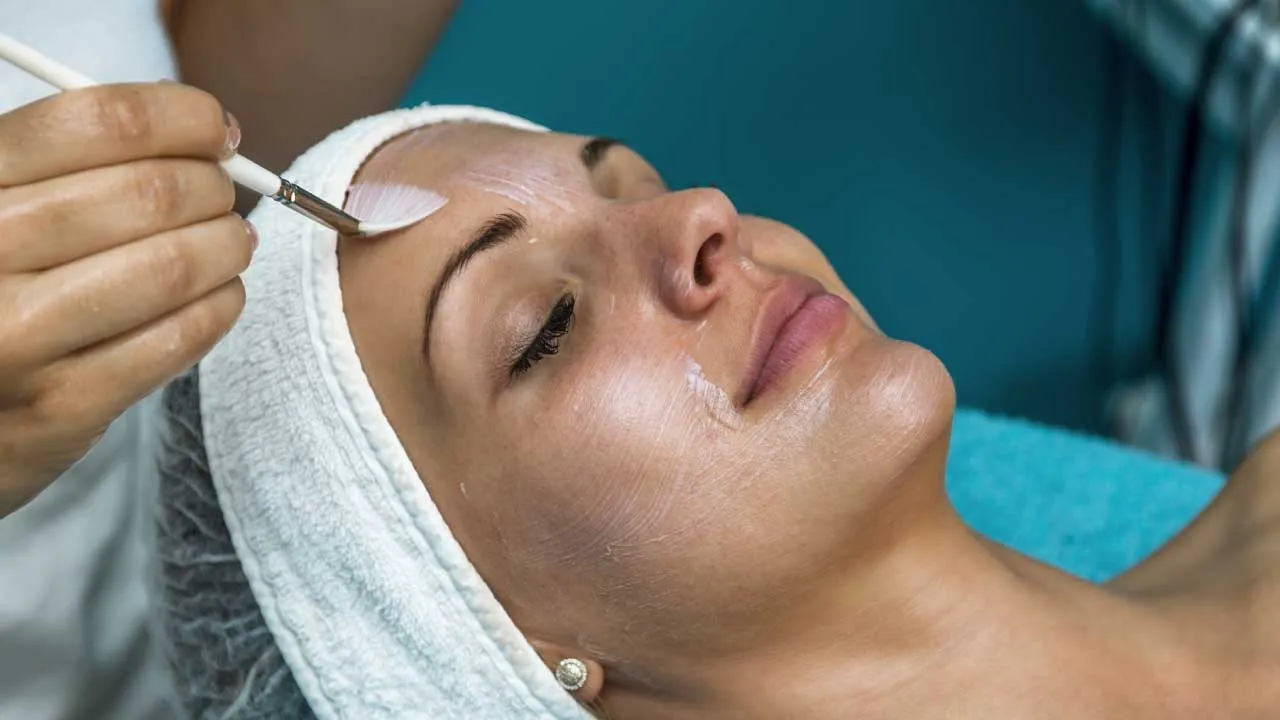
Chemical peels using salicylic acid, glycolic acid, or specialized combinations help exfoliate deeply and reduce inflammation. Chemical peel treatments can be customized based on your genetic acne pattern and Pune’s current climate conditions.
Laser treatments like CO2 laser therapy can reduce sebaceous gland activity and improve acne scarring. These are particularly useful for genetic acne that leaves scars due to inherited inflammatory responses.
Microneedling combined with topical treatments enhances penetration of active ingredients. Dermapen microneedling at Clear Skin Clinic can be particularly effective when acne has already left scarring.
PRP (Platelet-Rich Plasma) therapy uses your own blood platelets to reduce inflammation and promote healing. This natural treatment option works well alongside other therapies for genetic acne.
Why Combination Therapy Works?
Research increasingly shows that genetic acne responds best to combination approaches rather than single treatments. This makes sense: if multiple genes are creating multiple pathways to acne, you need multiple interventions to address them all.
Dr. Dhanraj Chavan typically recommends a layered approach. This might include a prescription retinoid for nightly use, a targeted medical treatment (antibiotic, hormonal therapy, or isotretinoin depending on severity), periodic professional treatments, and climate-appropriate supportive skincare.
The key is persistence and patience. Genetic acne often takes 12-16 weeks to show significant improvement, even with optimal treatment. This is longer than environmental acne, which can respond in 4-8 weeks.
If you’re struggling with persistent breakouts despite home care, schedule a consultation at Clear Skin Clinic to develop a comprehensive treatment plan tailored to your genetic profile and Pune’s climate challenges.
Frequently Asked Questions
If my parents had acne, will I definitely get it?
Not necessarily, but your risk is significantly higher. If one parent had acne, you have about a 50% chance of developing it. If both parents had acne, your risk increases to 75-85%.
However, even with strong genetic predisposition, the severity and timing can vary. You might experience milder acne than your parents did, or it might start later. Environmental factors and modern treatments also play a role that wasn’t available to previous generations.
Can genetic acne be cured completely?
While genetic predisposition can’t be eliminated, acne itself can be effectively controlled and even enter long-term remission. Many people with genetic acne achieve clear skin with proper treatment.
The keyword is “managed” rather than “cured.” Your genetic profile doesn’t change, so you may need ongoing maintenance treatment to keep skin clear. This might mean continuing certain medications, maintaining a consistent skincare routine, or having periodic professional treatments.
Think of it like managing any genetic condition—with the right approach, you can live symptom-free, but the underlying genetic factors remain.
At what age does genetic acne typically start?
Genetic acne usually begins during puberty (ages 12-14) when hormones trigger sebaceous gland activity. However, the age of onset varies based on your specific genetic profile.
Some people with genetic acne experience earlier onset (ages 9-11), while others don’t develop symptoms until their late teens or early twenties. Adult-onset acne (first appearing after age 25) can also have genetic components, especially in women.
If you have a strong family history of acne, watching for early signs during pre-adolescence allows for prompt treatment that may prevent scarring.
Does genetic acne respond differently to treatments?
Yes, genetic acne often requires more intensive treatment than purely environmental acne. It typically responds best to prescription medications rather than over-the-counter products.
Genetic acne also usually takes longer to clear (12-16 weeks versus 4-8 weeks for environmental acne). This is because you’re working against biological pathways that are genetically programmed to produce excess oil and inflammation.
However, once properly treated, genetic acne can respond very well. The key is using appropriate treatments consistently and having realistic expectations about the timeline.
Can lifestyle changes overcome genetic predisposition?
Lifestyle changes alone typically can’t overcome strong genetic predisposition, but they can significantly reduce severity. Think of genetics as setting your baseline risk, while lifestyle determines whether you’re at the bottom or top of that risk range.
For mild to moderate genetic acne, lifestyle modifications (diet, stress management, proper skincare) might be sufficient for control. For severe genetic acne, lifestyle changes are essential supportive measures but usually need to be combined with medical treatment.
The most effective approach combines lifestyle optimization with appropriate medical interventions, creating a comprehensive strategy that addresses both your genetic vulnerability and environmental triggers.
Is hormonal acne the same as genetic acne?
They overlap but aren’t identical. Hormonal acne is triggered by hormone fluctuations (puberty, menstrual cycles, pregnancy, menopause, PCOS). Genetic acne involves inherited variations in how your skin responds to hormones and other factors.
Many people with genetic predisposition to acne experience hormonal patterns because their genes make their skin more sensitive to normal hormone levels. Your genetic profile influences both how much your sebaceous glands respond to hormones and how strongly your immune system reacts.
So hormonal acne often has genetic components, but not all genetic acne is purely hormonal. This is why some genetic acne responds well to hormonal treatments while other cases need different approaches.
Why does my acne worsen during Pune’s monsoon season?
Pune’s monsoon humidity (80%+) dramatically increases oil production on genetically prone skin. High humidity prevents sweat evaporation, so sweat mixes with sebum and clogs pores.
The warm, moist conditions also create ideal breeding grounds for acne bacteria. If you’re genetically predisposed to stronger inflammatory responses, this bacterial proliferation triggers more severe breakouts.
Additionally, monsoon brings increased air pollution and allergens, which settle on skin and contribute to clogging. For genetic acne, this perfect storm of humidity, bacteria, and pollutants can increase breakout severity by 2-3 times during June-September.
When should I see a dermatologist for genetic acne?
See a dermatologist if you have a strong family history of acne and are starting to break out, even if it’s still mild. Early treatment prevents scarring.
Also consult a dermatologist when over-the-counter treatments haven’t helped after 8-12 weeks of consistent use, when acne is painful or forming cysts, or when breakouts significantly impact your quality of life.
If your parents or siblings developed acne scars, don’t wait to seek professional help. Genetic acne that leads to scarring needs aggressive early treatment to prevent permanent skin damage.
At Clear Skin Clinic in Pune, Dr. Dhanraj Chavan specializes in treating genetic acne patterns common in Indian families, with treatment plans that account for both your genetic profile and local climate factors.
Can genetic testing predict my acne risk?
Currently, genetic testing for acne risk isn’t routinely available or clinically necessary. While researchers have identified 50+ genetic variants associated with acne, these tests aren’t yet accurate enough for clinical decision-making.
Your family history is actually a better predictor than current genetic tests. If both parents had acne, particularly severe acne, you have a 75-85% chance of developing it—information that’s more actionable than knowing which specific genetic variants you carry.
As research advances, personalized genetic testing may become useful for predicting which treatments will work best for your specific genetic profile. But for now, family history combined with clinical assessment remains the gold standard.
Does genetic acne always leave scars?
Not necessarily, but genetic acne does carry higher scarring risk, especially if you inherited both acne susceptibility and strong inflammatory responses. The same genetic variants that cause severe acne often create more aggressive immune reactions, leading to deeper inflammation that damages skin tissue.
However, scarring isn’t inevitable. Early, appropriate treatment significantly reduces scarring risk. This is why dermatologists emphasize treating genetic acne aggressively from the start rather than waiting to see if it improves on its own.
If scarring does occur, Clear Skin Clinic offers multiple treatment options including acne scar treatments specifically designed for the types of scars common in genetic acne.
Do You Know?
Roughly 250 Patients Are Treated
Everyday By These Dermatologists
(You are one click away from flawless skin)
Meet Our Dermatologist!





Conclusion
Your genes may load the gun when it comes to acne, but environmental factors, lifestyle choices, and professional treatment determine whether that trigger ever gets pulled—or how hard it hits when it does.
Here’s what matters most:
- Genetics accounts for 81% of acne risk, but that remaining 19% gives you significant room to improve your skin through lifestyle and treatment
- Family history is the best predictor—if both parents had acne, early intervention can prevent the worst outcomes
- Pune’s climate presents unique challenges for genetic acne, particularly during monsoon season when humidity soars
- Modern treatments, from prescription medications to professional procedures, can effectively manage even severe genetic acne
The most important message: genetic predisposition is not a life sentence. With the right combination of medical treatment, professional procedures, lifestyle modifications, and climate-aware skincare, most people with genetic acne can achieve clear, healthy skin.
At Clear Skin Clinic, Dr. Dhanraj Chavan and his team have helped thousands of Pune families break the cycle of genetic acne. Don’t let your DNA define your skin’s future.
Ready to take control of your genetic acne? Contact Clear Skin Clinic Pune for a comprehensive consultation. We’ll assess your family history, evaluate your current condition, and create a personalized treatment plan that works with your genetic profile—not against it.
Further Reading
How Laser Hair Removal Works on Indian Skin Tones?
Complete guide to laser hair removal for Indian skin types IV-VI, covering Diode and Nd:YAG laser technology, safety considerations, and realistic results expectations.
Best Serums for Acne-Prone Skin: Expert Tips
Find the best serums for acne-prone skin and expert advice to help you achieve a clearer complexion.
20 Tips to Say Farewell to Puffy Eyes and Feel Refreshed Again
Discover 20 powerful tips and home remedies to banish them for good.
Is Laser Hair Removal Safe in Pune Clinics? What to Check
Is laser hair removal safe for Indian skin in Pune clinics? A dermatologist-reviewed guide covering technology, Fitzpatrick skin types, and a 7-point clinic safety checklist.
Have thoughts? Please let us know
We are committed not only to treating you, but also educating you.