
How to Get Rid of a Blind Pimple Safely and Effectively?

Written by Clear Skin Content Team | Medically Reviewed by Dr. Dhanraj Chavan on December 31, 2025
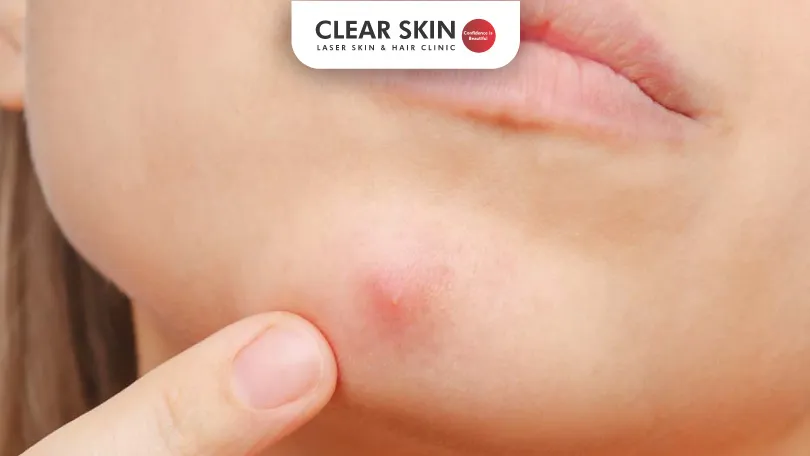
Blind pimples are as annoying as their visible counterparts. Internet is flooded with searches like blind pimple treatment chin, Blind pimple treatment at home, hormonal Blind pimple treatment, etc. Here is some general guidance on how to get rid of a blind pimple.
Blind pimples, also termed cystic acne, are characterized by pimples under the skin. These pimples stay under the skin’s surface, causing inflammation and pain. Sometimes, they may break out to form a whitehead, red bump, or blackhead.
Table Of Content
- What is a Blind Pimple?
- Top 5 Causes of Blind Pimples
- How to Get Rid of a Blind Pimple at Home?
- Dermatologist Treatment for Blind Pimples
- What Not to Do With a Blind Pimple?
- FAQ
- Conclusion
What is a Blind Pimple?
Blind Pimple is an inflammatory acne. It is a pus-filled acne cyst that forms deep under the skin. This type of acne can be large and often causes pain and inflammation. To reduce the risk of infection and scarring, you should go for a blind pimple treatment. Dermatologists usually prescribe antibiotics and blind pimple creams to clear the problem.
Now, what is the cause of blind pimples? Skin pores clogged with excess oil and dead skin cells result in blind pimples. Bacteria can gain entry into the skin pores and get trapped with the oil and skin cells. Skin reaction leads to swelling in the skin’s middle layer. Such an infected, swollen, red lump is called an acne cyst.
Some common causes of blind pimples include teenage hormonal changes, family history, menopause, or stress. Blind Pimples usually develop on the back, neck, butt, chest, and shoulders. Let’s now look at how to get rid of a blind pimples.
Quick Fact
Blind pimples are a form of inflammatory acne that develops deep inside the skin and should never be popped.
Top 5 Causes of Blind Pimples
1. Hormonal Changes: The Monthly Trigger
This is the most common reason, especially for women. You might notice blind pimples appearing on your chin or jawline right before your period.
Why? Hormones called androgens fluctuate during your cycle. An increase in androgens tells your oil glands to go into overdrive. They produce more oil than your pores can handle, leading to deep clogs. This is why hormonal acne is often deep and cystic rather than surface-level.
2. The Oil Factory: Excess Sebum Production
Some people are genetically prone to having overactive oil glands. If your parents had oily skin or acne, your “oil factories” might naturally work a double shift. When there is a flood of oil, it easily mixes with dead skin cells to create those deep blockages.
3. The Stress Connection
We often say stress shows on your face, and it is scientifically true. When you are stressed, your body produces a hormone called cortisol.
Cortisol is like a fuel injection for your oil glands—it forces them to pump out more oil. At the same time, stress can weaken your immune system, making it harder for your body to fight off the bacteria trapped in your pores. This combination is a perfect recipe for blind pimples.
Did You Know?
Research published in the Archives of Dermatology has shown a direct link between stress severity and acne severity. Source: National Institutes of Health
4. Wrong Products: Are You Clogging Your Own Pores?
Sometimes, we are our own worst enemies. Heavy creams, thick sunscreens, or makeup that contains oil can physically block your pores from the outside.
We call these products comedogenic (pore-clogging). If you have oily skin and use a thick, creamy moisturiser meant for dry skin, you are essentially putting a lid on your pores, trapping everything inside.
5. The Touching Trap
Your hands are constantly picking up bacteria from your phone, keyboard, and door handles. When you rest your chin on your hand or absentmindedly touch your face, you are transferring dirt and extra bacteria directly to your skin.
Furthermore, rubbing or squeezing your skin can push existing bacteria deeper into the pores, turning a minor clog into a full-blown blind pimple.
How to Get Rid of a Blind Pimple at Home? (Safely)
Mild blind pimples may improve with the right home care when you start treatment early and stay consistent.
Actually Helps
- Warm compress: Apply a warm, clean cloth to the area for 5–10 minutes, twice a day. This can help reduce inflammation and may encourage the pimple to resolve faster.
- Salicylic acid (0.5–2%): Using a gentle cleanser or spot treatment with salicylic acid helps unclog pores by dissolving trapped oil and dead skin cells.
- Benzoyl peroxide: Spot treatments with benzoyl peroxide can decrease acne-causing bacteria, shrinking the pimple from within.
- Ice pack: If the bump feels painful or swollen, a wrapped ice pack applied for short periods can bring down swelling and discomfort.
Remember, using one or two products consistently is better than layering many treatments, which might irritate the skin further. Patience and gentle care are key for safe healing.
Dermatologist Treatment for Blind Pimples
At Clear Skin Clinic, our approach to treating blind pimples is always personalised and evidence-based, taking into account both your skin type and the severity of your acne.
Medical Options Include
- Prescription anti-inflammatory creams: These target inflammation deep beneath the skin and help reduce swelling and pain more quickly than over-the-counter products.
- Oral medications: For patients who struggle with recurrent blind pimples or cystic acne, oral medications may be needed to control breakouts from the inside—including antibiotics or hormonal treatments when appropriate.
- Intralesional injections: In cases of severe, painful nodules, a tiny dose of anti-inflammatory medication can be injected directly into the affected area. This can rapidly reduce pain, swelling, and help the bump disappear faster.
- Acne-control procedures: Treatments such as chemical peels, medical facials, or light-based therapies can help prevent new breakouts by addressing blocked pores and reducing oil production.
Early dermatologist intervention is key. The sooner treatment begins, the lower your risk of developing permanent scars or dark spots (post-acne pigmentation) that can linger long after the pimple is gone
What Not to Do With a Blind Pimple?
This is one of the most important but often overlooked topics, and I see many patients worsen their skin by following bad advice found online or from friends.
Never Do These
- Do not squeeze or prick the pimple: Trying to force out what’s under the skin almost always makes things worse. Squeezing can push the infection and bacteria even deeper, making the inflammation worse and increasing your risk of scarring.
- Do not apply toothpaste, garlic, or lemon: These home remedies are popular but dangerous. They can irritate the skin, cause burns, and do nothing to solve the root problem. In fact, these substances can make redness and pain much worse.
- Do not massage aggressively: Rubbing or massaging the spot doesn’t help. In fact, this can increase swelling, spread bacteria, and this extra pressure can prolong healing and cause more damage under the skin.
Taking any of these actions can push the infection deeper, lead to more pain, make scarring more likely, and delay healing.
FAQ
Can I pop a blind pimple?
No. A blind pimple forms deep under the skin and does not have a visible head. Squeezing it pushes the infection further inside, increases inflammation, and greatly raises the risk of permanent scars or dark marks. Popping also delays healing and can make the pimple more painful.
Why are blind pimples more painful than normal pimples?
Blind pimples develop deep within the skin where inflammation builds around nerves and blood vessels. Because there is no opening for drainage, pressure increases under the skin, making these pimples tender, swollen, and more painful than surface acne.
Do blind pimples go away on their own?
Some mild blind pimples may settle on their own, but many need treatment. If a blind pimple is painful, keeps growing, or lasts more than a week, medical care is usually required to prevent scarring and repeated flare-ups.
Are blind pimples linked to hormonal acne?
Yes. Hormonal changes often increase oil production, leading to deep pore blockage and blind pimples. They commonly appear on the chin, jawline, and cheeks, especially during stress or hormonal fluctuations.
Do You Know?
Roughly 250 Patients Are Treated
Everyday By These Dermatologists
(You are one click away from flawless skin)
Meet Our Dermatologist!





Conclusion
In conclusion, blind pimples, or cystic acne, can be challenging to treat due to their deep, painful nature. Effective treatment options include dermatologist-prescribed antibiotics, topical Skin treatments, and sometimes oral medications or injections.
Home remedies like warm compresses, tea tree oil, and aloe vera can also provide relief. For personalized treatment and to prevent scarring, consulting with a Skin Specialist is essential. For comprehensive advice and treatment plans, Visit Clear Skin Pune.
Further Reading
Best Treatments for Back Acne and Body Scars
Struggling with back acne and body scars? Learn about effective home remedies and professional treatments to achieve clear, blemish-free skin.
Melasma Treatment Reviews in Pune | Clear Skin
Real Clear Skin Pune patient results for melasma treatment – see before and after outcomes after laser and chemical peel, and what to expect.
Best Treatment for Pigmentation on Face
Discover top treatments for pigmentation on the face. Get clear, even-toned skin with dermatologist-recommended pigmentation solutions in Pune.
Skin Treatments for Anti-Aging
Discover the best skin treatments for anti-ageing to reduce wrinkles, fine lines, and achieve glowing skin. Explore non-surgical options and expert tips for youthful skin.
Have thoughts? Please let us know
We are committed not only to treating you, but also educating you.