
Best Age for Anti-Ageing Treatments

Written by Clear Skin Content Team | Medically Reviewed by Dr. Dhanraj Chavan on January 31, 2026
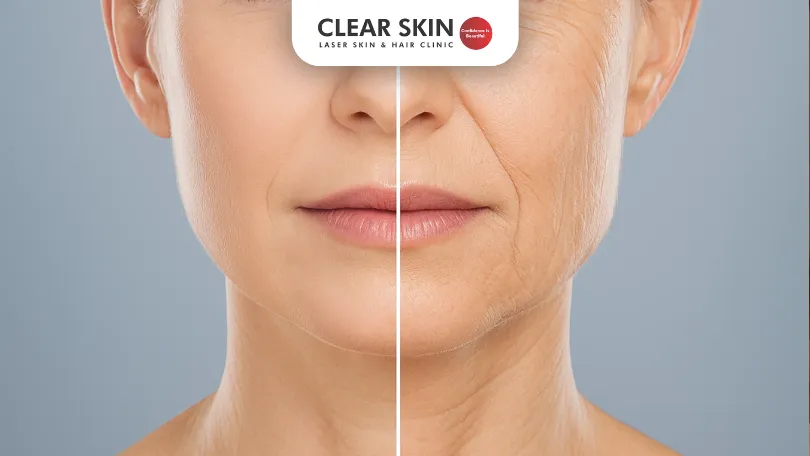
Starting anti-ageing care at the right time can make a lasting difference in how your skin looks and feels as you grow older.
Many people search for the “best age for anti-ageing treatments” because they are worried. Some feel they may be starting too early and might damage their skin. Others feel they may already be too late and have missed the right time. This confusion is very common.
At Clear Skin Clinic, we hear these questions almost every day. The most important thing to understand is this:
There is no single best age for anti-ageing treatments.
Anti-ageing depends more on skin condition, not just your age.
Once you understand this, everything becomes much clearer.
Table Of Content
- What is Skin Ageing?
- Is It Possible to Start Anti-Ageing Too Early?
- Is It Ever Too Late to Start Anti-Ageing Treatments?
- Decade-by-Decade Recommendations
- The Role of Professional Treatments
- Skin Condition Matters More Than Age
- FAQ
- Conclusion
What is Skin Ageing?
Skin ages in two main ways. The first is called intrinsic ageing, which is the natural process that happens to everyone. It’s controlled by your genes. The second is extrinsic ageing, which is caused by your lifestyle and environment. Things like sun exposure, pollution, and smoking can make your skin age faster.
Our skin stays firm and plump because of proteins called collagen and elastin. Another substance, hyaluronic acid, keeps it hydrated. As we get older, our bodies make less of these key proteins. This slow decline often starts in our mid-20s and leads to the first signs of ageing.
You might start to notice small changes in your skin. These can include fine lines around your eyes or mouth, a skin tone that isn’t perfectly even, or skin that doesn’t feel as firm as it used to. You might also see dark spots, known as pigmentation, or notice that your skin feels drier. For most people, these first signs begin to appear in their late 20s or early 30s.
Is It Possible to Start Anti-Ageing Too Early?
This is one of the biggest fears people have.
The answer is yes and no, depending on what you mean by treatment.
Starting good skincare and sun protection early is never harmful. In fact, it is one of the best anti-ageing steps you can take.
However, starting strong clinical anti-ageing procedures too early, without a real need, is not advised. Young skin usually does not need aggressive treatments. Overdoing procedures can disturb the skin’s natural balance.
So the rule is simple:
Early care is good. Early over-treatment is not.
Is It Ever Too Late to Start Anti-Ageing Treatments?
This is one of the biggest fears people have.
The answer is yes and no, depending on what you mean by treatment.
Starting good skincare and sun protection early is never harmful. In fact, it is one of the best anti-ageing steps you can take.
However, starting strong clinical anti-ageing procedures too early, without a real need, is not advised. Young skin usually does not need aggressive treatments. Overdoing procedures can disturb the skin’s natural balance.
So the rule is simple:
Early care is good. Early over-treatment is not.
Decade-by-Decade Recommendations
Your skin has different needs at every stage of life. Here is a simple guide to help you know what to do in your 20s, 30s, and beyond.
In Your 20s
This decade is all about prevention. Your skin is still producing plenty of collagen, so your main job is to protect it. The most important step you can take is to wear sunscreen every single day, even when it’s cloudy. Sun damage is the number one cause of premature ageing.
You should also use products with antioxidants, like vitamin C serum. Antioxidants help protect your skin from damage caused by pollution and the sun. Keeping your skin hydrated with a good moisturiser is also essential.
You don’t need heavy anti-ageing treatments yet, but building good habits now will pay off later. It can be a good idea to visit a skin specialist to understand your skin type and get a baseline assessment.
In Your 30s
In your 30s, you may start to see the first real signs of ageing. Your skin’s cell turnover slows down, which can make it look a bit dull.
This is a great time to introduce early corrective care into your routine. Products with retinoids are excellent for speeding up cell turnover and boosting collagen.
You can also use gentle exfoliants like AHAs to help keep your skin bright. An eye cream can help with the fine lines that often appear around the eyes. The focus is on supporting your skin as it begins to change and addressing any new concerns as they pop up.
In Your 40s and Beyond
By your 40s, wrinkles may become deeper and your skin might lose more of its firmness. Pigmentation from sun exposure over the years can also become more noticeable.
Your skincare routine should now focus on addressing these deeper concerns and maintaining your skin’s health.
This is often when people consider more advanced dermatologic options. Professional treatments can offer more significant results for skin tightening and reducing deep wrinkles.
Maintaining a consistent home routine remains crucial to support the results of any in-office procedures.
Skin Condition Matters More Than Age
Two people of the same age can have very different skin.
Someone in their late 20s with heavy sun damage may need treatment earlier, while someone in their mid-30s with good skin care habits may not need much intervention at all.
That is why dermatologists look at:
-
Skin texture
-
Elasticity
-
Lifestyle
-
Family history
Age is just one part of the decision.
The Role of Professional Treatments
Sometimes, your at-home routine needs a boost. A skin specialist can create a personalised plan just for you. They understand how different factors affect your skin and can recommend the best path forward.
In-office anti-ageing treatments like lasers, chemical peels, or fillers can address concerns that creams and serums cannot. For example, a clinic like the Clear Skin Clinic Pune can offer expert advice and procedures tailored to your specific goals. A professional can guide you on what will work best for your skin type and age.
Starting to care for your skin early is a powerful way to manage how it ages. By taking simple preventive steps in your 20s and adding targeted treatments as you get older, you can enjoy a healthy, glowing complexion for many years. Don’t be afraid to seek expert advice to create a plan that is perfect for you.
FAQ
1. Is it ever “too early” to start anti-ageing treatments?
It is never too early to start protecting your skin with sunscreen and a healthy lifestyle. However, using strong corrective products like retinoids is usually not necessary until your late 20s or early 30s, unless advised by a dermatologist for a specific skin concern.
2. Is it “too late” to start caring for my skin?
Absolutely not! It is never too late to begin a good skincare routine. While you may not be able to reverse all signs of ageing, you can certainly improve your skin’s health, prevent further damage, and soften the appearance of existing lines and spots at any age.
3. Are some treatments better at different ages?
Yes. In your 20s, the focus should be on protection with sunscreen and antioxidants. In your 30s, introducing retinoids and exfoliants is beneficial. In your 40s and beyond, you might explore more intensive treatments like professional peels or lasers in addition to a powerful at-home routine.
Do You Know?
Roughly 250 Patients Are Treated
Everyday By These Dermatologists
(You are one click away from flawless skin)
Meet our Dermatologist!




Conclusion
The best time to start anti-ageing treatments depends on your skin’s needs, not just your age. Early prevention with sun protection and hydration, followed by targeted care in later years, can help maintain youthful skin for longer. For personalised advice and professional anti-ageing treatments, it’s best to consult an experienced skin specialist in Pune.
Further Reading
Best Pigmentation Treatment Clinics in Pune
Melasma, dark spots, or acne marks? Understand pigmentation treatments and how to choose the right dermatologist in Pune.
How Laser Hair Removal Works on Indian Skin Tones?
Complete guide to laser hair removal for Indian skin types IV-VI, covering Diode and Nd:YAG laser technology, safety considerations, and realistic results expectations.
Best Serums for Acne-Prone Skin: Expert Tips
Find the best serums for acne-prone skin and expert advice to help you achieve a clearer complexion.
20 Tips to Say Farewell to Puffy Eyes and Feel Refreshed Again
Discover 20 powerful tips and home remedies to banish them for good.
Have thoughts? Please let us know
We are committed not only to treating you, but also educating you.