
Cosmetic Gynaecology · Pune
Cosmetic Gynaecology Treatment in Pune
Reviewed by Dr. Leena Tathe, MBBS, DGO, Cosmetic Gynecologist
Cosmetic gynaecology is a branch of aesthetic medicine that improves the tone, texture, and comfort of the intimate area using non-surgical treatments. At Clear Skin in Pune, it brings together three proven methods, chemical peels, laser, and PRP, to address concerns such as intimate pigmentation, dryness, mild laxity, and post-delivery changes. The service is led by cosmetic gynaecologist Dr. Leena Tathe, supported by Clear Skin’s dermatology team, and every plan begins with a private consultation.
3+
30-45m
Per session
Low
Specialist
Quick answer
- Cosmetic gynaecology treats intimate pigmentation, texture, dryness, and mild laxity without surgery.
- Clear Skin offers three treatments: chemical peels, laser (Q-switch and Erbium-YAG), and PRP.
- Most concerns need at least 3 sessions, spaced 3 to 4 weeks apart.
- Sessions take 30 to 45 minutes, with little to no downtime for most treatments.
- Chemical peels treat external skin only; PRP and laser can also treat internal areas.
- The service is led by cosmetic gynaecologist Dr. Leena Tathe with a dermatology team.
- Severe vaginal laxity is referred for surgery, not these non-surgical treatments.
What Is Cosmetic Gynaecology, and How Clear Skin Approaches It?
Cosmetic gynaecology is the use of non-surgical, in-clinic treatments to improve the appearance and comfort of the external and internal intimate area. It focuses on common, everyday concerns rather than disease. Women usually ask about it for intimate depigmentation, smoother texture, better moisture, mild firmness, and renewed confidence after childbirth or hormonal change.
Clear Skin approaches these concerns the same way it approaches the rest of skin care: assess first, treat with proven tools, and set honest expectations. The clinic uses a Q-switch laser for pigmentation, an Erbium-YAG laser for toning and texture, medical chemical peels for surface depigmentation, and PRP for tissue repair and comfort. The goal is healthy, even-toned, comfortable skin, never a change in natural colour for cosmetic fashion.
| Detail | At a glance |
| Treatments offered | Chemical peel, laser (Q-switch, Erbium-YAG), PRP |
| Sessions | 3 or more |
| Session time | 30 to 45 minutes |
| Downtime | Negligible to 7 days, depending on treatment |
| Anaesthesia | Topical numbing where needed, including for PRP |
| Led by | Dr. Leena Tathe, Cosmetic Gynaecologist |
| Pricing | Shared at your consultation |
Treatments and What They Address?
Each treatment suits a different concern, and the right choice depends on your skin and your goals. The table below shows what each one is used for, where it is applied, and what to expect.
| Treatment | Best for | Area | Sessions | Downtime |
|---|---|---|---|---|
| Chemical peel | Pigmentation, texture | External only | 3+, 3-4 wk | Negligible |
| Q-switch laser | Pigmentation, depigmentation |
External + internal | 3+, 3-4 wk | 1-3 days |
| Erbium-YAG laser | Toning, texture, mild laxity | External + internal | 3+, 3-4 wk | 3-7 days |
| PRP | Rejuvenation, dryness | External + internal | 3+, every 4 wk | Negligible |
Pricing is shared at your consultation, because the right plan depends on your concern and the number of sessions you need. There are no fixed packages, since each plan is built around your skin and your goals.
Concerns We Treat at Clear Skin
| Concern | Treatment | Sessions |
|---|---|---|
| Intimate pigmentation / uneven tone | Peel, Q-switch laser | 3+ |
| Darkening after shaving / waxing | Chemical peel | 3+ |
| Rough or thickened texture | Peel, Erbium-YAG | 3+ |
| Dryness, reduced comfort | PRP | 3+ |
| Mild laxity | Erbium-YAG, PRP | 3+ |
| Post-delivery changes | PRP, laser | Individual |

The same depigmentation expertise the clinic uses for facial pigmentation elsewhere on the body is applied gently to the intimate area. Because repeated shaving or waxing is a frequent cause of darkening, some women also consider laser hair removal for the bikini line as part of the same plan.
A Trusted Skin Clinic
now offering cosmetic gynaecology
Clear Skin is an established dermatology name in Pune with decades of experience in pigmentation, laser, and skin rejuvenation. That foundation matters here, because intimate skin responds to the same science as the skin on the rest of the body, and the same safety discipline applies.
Cosmetic gynaecology is a new, dedicated service at Clear Skin, led by Dr. Leena Tathe, a qualified cosmetic gynaecologist who has joined the clinic to run it. This gives patients something uncommon: a focused intimate-health specialist working inside a trusted skin clinic, with its dermatology team close at hand.
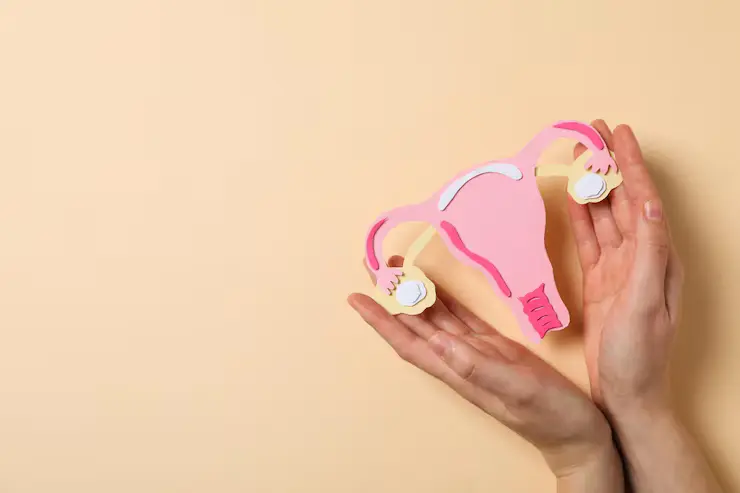
Intimate Concerns Can Be Improved, Safely and Privately
Many women live with intimate pigmentation, dryness, or post-delivery changes quietly, unsure whether anything can help. The honest answer is that several of these concerns can be improved with gentle, non-surgical treatment, when the right method is matched to the right concern.
What Clear Skin offers is not a quick fix or a promise of perfection. It is a measured, private, step-by-step plan, with realistic timelines and clear consent at every stage.
All You Need to Know
About Cosmetic Gynaecology
This section explains why intimate concerns happen, how each treatment works, and how they compare, so you can make an informed choice before your consultation.
Why intimate skin darkens or changes
Intimate skin is naturally a little darker than surrounding skin, and several everyday factors can deepen that hyperpigmentation or change its texture. Friction from tight clothing, repeated shaving or waxing, hormonal shifts in pregnancy or menopause, and the natural changes after childbirth are the most common reasons.
These changes are normal and very common. They are treatable when a clinician matches the cause to a suitable, gentle method rather than using one aggressive approach for everyone.
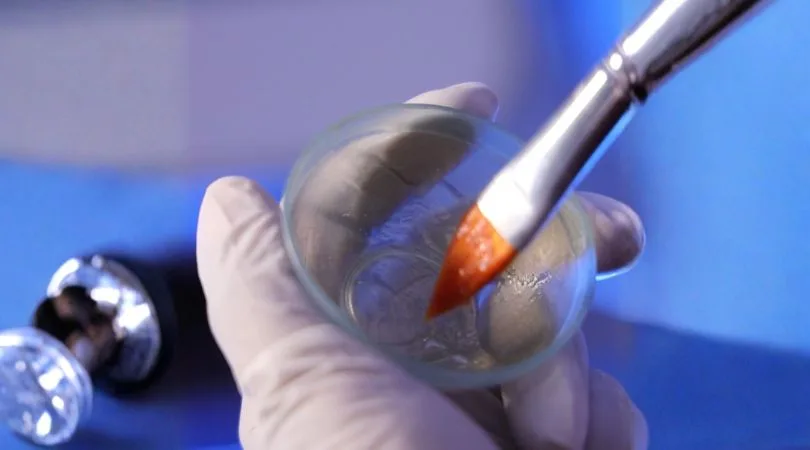
Chemical Peel for Intimate Depigmentation
A chemical peel applies a medical solution to the external intimate skin to remove dull, pigmented surface cells, so fresher and more even skin can form. It is used for intimate pigmentation, darkening from friction or shaving, and rough texture on areas like the bikini line, inner thighs, and outer area.
Clear Skin mainly uses lactic, mandelic, and glycolic peels, with the concentration adjusted to the degree of pigmentation, and the session takes about 30 minutes with negligible downtime. Peels are performed on external skin only, and most women need at least three sessions spaced three to four weeks apart. You can read more about how chemical peels work in general dermatology.
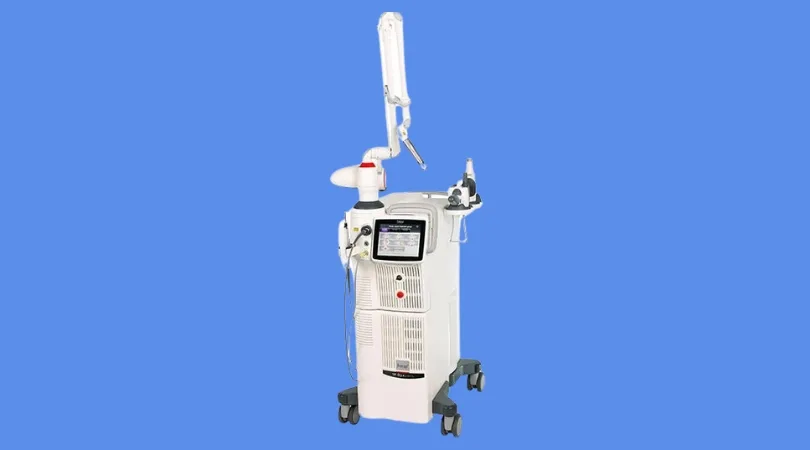
Laser (Q-switch and Erbium-YAG)
Laser uses focused light energy to improve pigment and texture. Clear Skin uses a Q-switch laser for pigmentation and depigmentation, and an Erbium-YAG laser for toning and texture.
Sessions take about 45 minutes, with short downtime of one to three days for Q-switch work and three to seven days for Erbium-YAG. Laser can be used on external skin and, after a consultation, internally for selected concerns such as mild laxity. For internal rejuvenation, benefits are explained honestly, because regulators advise caution with energy-based vaginal treatments.
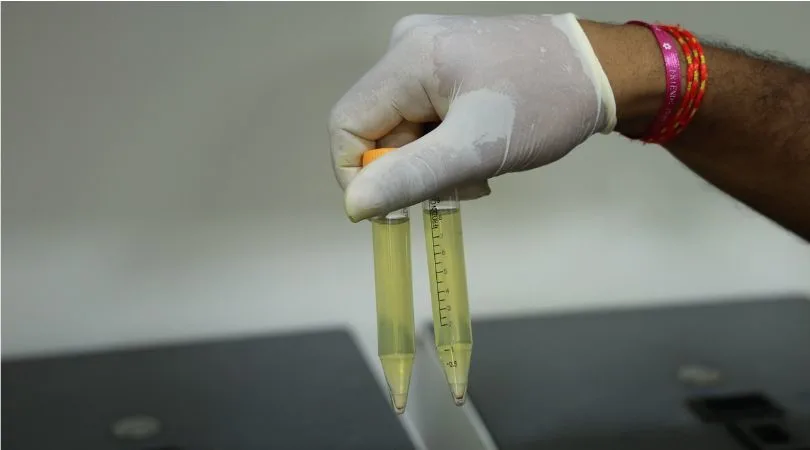
PRP
PRP uses a small sample of your own blood, processed to concentrate its natural repair factors, which are then injected into the treated area. It is used to support tissue repair, comfort, moisture, and freshness, and may help with dryness and mild laxity in selected women.
Sessions take about 45 minutes, are spaced about four weeks apart, and have negligible downtime, with at least three sessions usually advised. PRP for intimate concerns is still being studied, so it is offered as a supportive option after a proper consultation rather than a guaranteed cure.
How the treatments compare?
No single treatment fits every concern, which is why Clear Skin often plans them together. The table below compares the three at a glance.
| Factor | Chemical peel | Laser | PRP |
|---|---|---|---|
| Main use | Pigmentation, texture | Pigment, toning, laxity | Rejuvenation, dryness |
| Area | External only | External + internal | External + internal |
| Downtime | Negligible | 1 to 7 days | Negligible |
| Works by | Removing pigmented cells | Light energy | Your own repair factors |
What results to expect?
Results from these treatments come slowly and are not instant. Pigmentation usually lightens over a course of sessions, texture becomes smoother, and comfort improves over weeks rather than days. How much improvement you see depends on your specific concern.
Because every person responds differently, Clear Skin reviews your progress at each visit and adjusts the plan. Honest, realistic expectations are part of every consultation.

Private consult
Concern assessed, plan explained
Treatment
30-45 min, private room

Sessions
Progress checked, plan adjusted
Safety, candidacy, and the evidence
These treatments suit women with everyday cosmetic concerns and no active skin or pelvic disease. They are not suitable during an active vaginal infection or pregnancy, for people on blood-thinning therapy, for those with cancerous conditions, or for severe vaginal laxity, which needs surgery.
Honesty about evidence matters here. Laser devices used on skin are FDA-cleared. PRP itself is not FDA-approved for this use, although the centrifuges and blood-processing kits used to prepare it are typically FDA-cleared for specific medical uses, and doctors may administer it under the practice of medicine exemption.
Chemical peels are not FDA-approved for intimate use, so benefits are presented as supportive rather than guaranteed. The medical literature, including a systematic review of PRP for vulvovaginal concerns, shows the approach is promising but still developing and needs larger trials.
Major bodies such as ACOG advise that high-quality evidence for energy-based vaginal rejuvenation is limited, and that patients should be counselled clearly. Clear Skin follows this approach, screens every patient, and sets realistic expectations before any treatment.
Honest about evidence: laser devices are FDA-cleared; PRP and peels are not FDA-approved for intimate use. ACOG notes evidence for energy-based vaginal rejuvenation is limited, so benefits are explained, not over-promised, and every patient is screened.
When surgery is the better option
Non-surgical treatments work well for pigmentation, texture, dryness, and mild laxity. They cannot correct severe vaginal laxity, which is better managed with a surgical procedure. If your concern falls into this group, Dr. Leena Tathe will tell you honestly and guide you to the right option.
Clear Skin. We care.
Clear Skin
Dermatology team plus a cosmetic gynaecologist
Honest, evidence-based counselling
Treatment matched to your concern
Private room, consent, female staff present
The usual approach
Dermatology team plus a cosmetic gynaecologist
Who performs your treatment

Dr. Leena Tathe
Your treatment is led by Dr. Leena Tathe, MBBS, DGO, a qualified cosmetic gynaecologist who has joined Clear Skin to run this service. She works alongside the Clear Skin dermatology team, so both skin and intimate health are considered together.
Every treatment is carried out in a private room with detailed consent and a female staff member present, so you feel safe and respected throughout. You can learn more about the Clear Skin team and its approach to care.
Learning with Clear Skin
Patient guides
Frequently asked questions
What is cosmetic gynaecology?
Cosmetic gynaecology is a branch of aesthetic medicine that improves the tone, texture, and comfort of the intimate area using non-surgical treatments. At Clear Skin in Pune it covers chemical peels, laser, and PRP for concerns such as intimate pigmentation, dryness, mild laxity, and post-delivery changes. The service is led by cosmetic gynaecologist Dr. Leena Tathe.
Internal or only external skin?
It depends on the treatment. Chemical peels are performed only on the external intimate skin, such as the bikini line, inner thighs, and outer area. PRP and laser can be used on both the external skin and internally, depending on the concern and after a consultation with Dr. Leena Tathe.
How many sessions will I need?
Most concerns need at least three sessions to show a clear result. Sessions are usually spaced three to four weeks apart, and PRP is spaced about four weeks apart. The exact number depends on your concern, your skin, and how you respond, so it is confirmed at your consultation.
Is it painful, and is there downtime?
These are non-surgical treatments with little discomfort, and topical numbing is used where needed, including before PRP injections. Chemical peels and PRP have negligible downtime. Laser downtime is short, about one to three days for Q-switch pigmentation work and three to seven days for Erbium-YAG toning.
How soon will I see results?
Results come slowly and usually need several sessions. Pigmentation lightens over a course of sessions, while texture and comfort improve over weeks, and how much improvement you see depends on your specific concern. Clear Skin reviews your progress at each visit and adjusts your plan.
Are these FDA-approved and safe?
Laser devices used for skin are FDA-cleared. PRP itself is not FDA-approved for this use, though the kits used to prepare it are typically FDA-cleared and doctors may administer it under the practice of medicine exemption, and chemical peels are not FDA-approved for intimate use. Clear Skin screens every patient, discusses benefits honestly, and avoids treatment during infection, pregnancy, or other contraindications.
When is surgery needed instead?
These non-surgical treatments suit mild concerns such as pigmentation, texture, dryness, and mild laxity. Severe vaginal laxity is not corrected by peels, laser, or PRP, and is better managed surgically. Dr. Leena Tathe will tell you honestly at consultation if a surgical option would serve you better.
As verified by
Book A Private Consultation
Clear Skin Clinic · 403, Ganesham Commercial E, Pimple Saudagar, Pimpri-Chinchwad, Pune 411027 · +91-9584584111 · clearskin.in/contact-us