
How to Manage Melasma in Dark Skin?

Written by Clear Skin Content Team | Medically Reviewed by Dr. Dhanraj Chavan on June 20, 2026
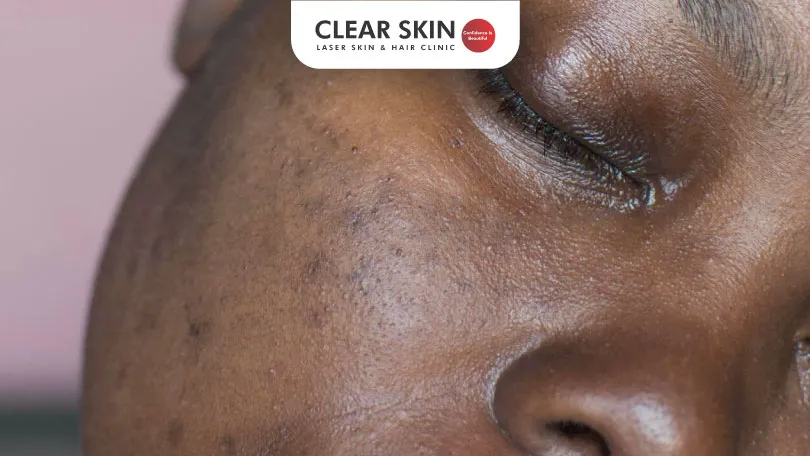
Medical Disclaimer: This article is for informational purposes only. Consult a qualified dermatologist for personalised medical advice.
Melasma in dark skin is harder to treat because pigment-producing cells (melanocytes) are more active and sit deeper in the skin. Effective management combines visible-light-blocking sunscreen (not just UV protection), dermatologist-guided topical treatments, and realistic expectations, melasma is a chronic, relapsing condition, not a one-time fix.
Table Of Content
- What Is Melasma, and Why Is It Different in Dark Skin?
-
Cause of Melasma in Dark Skin Tone
- Melasma vs. Other Dark Patches: How to Tell the Difference?
-
Melasma Treatment in Dark Skin
-
Is Melasma Permanent?
- Conclusion
What Is Melasma, and Why Is It Different in Dark Skin?
Melasma is a common skin condition that causes brown-to-grey patches, typically on the cheeks, forehead, nose, and upper lip. It can affect anyone, but it’s more prevalent and often more stubborn in people with darker skin tones (Fitzpatrick skin types III–VI).
The reason comes down to skin biology: people with dark skin have more active melanocytes and a higher baseline concentration of melanin. When triggered, those melanocytes produce pigment more readily, and that pigment often sits deeper in the skin (dermal or mixed melasma) rather than just the surface layer (epidermal melasma), which is exactly why dark-skin melasma tends to resist treatments that work well on fairer skin.
Dark skin is also more prone to post-inflammatory hyperpigmentation (PIH), dark marks that follow any skin inflammation, including acne, eczema, or even aggressive treatment of the melasma itself. This is why treatment in dark skin has to be more careful, not less.
Cause of Melasma in Dark Skin Tone
While the exact cause of melasma in dark skin is unknown, it is believed that the formation of melasma may be triggered by several factors, including an increase in melanin production, which can occur due to hormonal fluctuations, such as pregnancy or the use of birth control pills. Additionally, inflammation, skin trauma, and certain medications may also contribute to the development of melasma on dark skin.
People with dark skin are more susceptible to developing melasma because they have more active melanocytes (the cells that produce melanin) and a higher concentration of melanin in their skin. Additionally, dark skin is more prone to developing post-inflammatory hyperpigmentation, which can occur after skin inflammation, such as acne or eczema.
Melasma vs. Other Dark Patches: How to Tell the Difference?
| Melasma | Post-Inflammatory Hyperpigmentation (PIH) | Sun Spots / Freckles | |
|---|---|---|---|
| Typical trigger | Hormones (pregnancy, birth control), sun/visible light, heat | Follows acne, eczema, injury, or a skin procedure | Cumulative sun exposure over years |
| Pattern | Symmetric patches, both sides of the face | Appears exactly where the original inflammation was | Small, scattered spots, often asymmetric |
| Common location | Cheeks, forehead, upper lip, nose | Anywhere skin was inflamed or injured | Sun-exposed areas: cheeks, nose, hands |
| Who it affects most | Women, especially during reproductive years | Anyone with darker skin and a history of acne/eczema | Anyone with significant cumulative sun exposure |
Melasma Treatment in Dark Skin
Treating melasma on dark skin can be challenging, as the hyperpigmentation can be deeper and more stubborn to treat. However, several treatment options can help manage the condition and reduce the appearance of dark patches on the skin. Here are some of the most commonly recommended melasma treatments on dark skin:
1. Topical skin Lightening Creams
Topical creams containing ingredients such as hydroquinone, tretinoin, azelaic acid, and kojic acid can help to lighten the skin and reduce the appearance of hyperpigmentation. However, these agents can irritate the skin and should be used under the guidance of a dermatologist melasma doctor.
2. Medical Procedures
Medical procedures like chemical peels, microdermabrasion and microneedling can effectively reduce melasma appearance on dark skin.
3. Laser Treatment
Laser therapy can effectively treat melasma by targeting and destroying the excess melanin in the affected areas of the skin. However, laser therapy can be a risky melasma treatment for dark skin and should only be performed by a dermatologist with experience treating melasma in people with darker skin.
4. Limiting sun exposure
The most critical aspect of managing melasma is to avoid further sun damage. This can be achieved by wearing protective clothing, such as hats and long sleeves, and using a broad-spectrum sunscreen with an SPF of at least 30.
The melasma treatment for dark skin requires a comprehensive approach that includes a combination of topical agents, lifestyle modifications, and sun protection. It is essential to consult a dermatologist with experience treating melasma in people with darker skin tones to develop a personalised treatment plan.
If you’re looking for a reliable skin clinic to help you manage melasma and other skin concerns, book your consultation with Clear Skin Clinics in Pune. Our team of experienced dermatologists offers a range of medical treatments to help you achieve clear and healthy skin.
Is Melasma Permanent?
Melasma is a chronic, relapsing condition not something that’s “cured” once and done. Most patients can achieve significant fading and long stretches of clear skin, but melasma can return with renewed sun/visible-light exposure, hormonal changes, or heat. This is why ongoing photoprotection and periodic maintenance treatment matter more than any single procedure.
Setting this expectation upfront is part of good melasma care, patients who understand it’s a management process, not a one-time fix, get better long-term results because they stay consistent with sunscreen and follow-up.
Do You Know?
Roughly 250 Patients Are Treated
Everyday By These Dermatologists
(You are one click away from flawless skin)
Meet Our Dermatologist!





Conclusion
Managing melasma in dark skin requires a tailored approach that considers the unique needs of darker complexions. Effective treatments include topical creams, oral medications, and professional procedures like chemical peels or laser therapy. Natural remedies and a consistent skincare routine can also help. Consult with the dermatologists at Clear Skin Clinic for personalized advice and treatments to achieve the best results. With the right care, you can manage melasma and enjoy a clearer, more even skin tone.
Further Reading
Gym & Sweat Acne: Causes & Prevention | Clear Skin Pune
Gym acne (acne mechanica) is caused by sweat, heat, and friction. Learn where it appears, why Pune’s humidity worsens it, and how to prevent breakouts.
Best Treatments for Back Acne and Body Scars
Struggling with back acne and body scars? Learn about effective home remedies and professional treatments to achieve clear, blemish-free skin.
Melasma Treatment Reviews in Pune | Clear Skin
Real Clear Skin Pune patient results for melasma treatment – see before and after outcomes after laser and chemical peel, and what to expect.
Best Treatment for Pigmentation on Face
Discover top treatments for pigmentation on the face. Get clear, even-toned skin with dermatologist-recommended pigmentation solutions in Pune.
Have thoughts? Please let us know
We are committed not only to treating you, but also educating you.