
Does Pune’s Air Pollution Worsen Acne? Dermatologist Insight

Written by Clear Skin Content Team | Medically Reviewed by Dr. Dhanraj Chavan on January 23, 2026
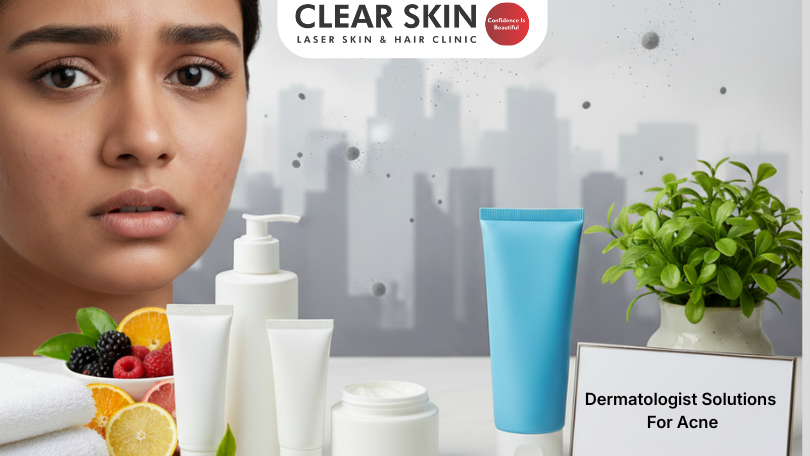
If you’ve noticed your acne flaring up more during Pune’s winter months or after your daily commute, you’re not imagining things. Air pollution may aggravate acne, and with Pune’s Air Quality Index (AQI) frequently reaching 150-232 (Poor to Severe range) in recent months, your skin is facing real environmental stress.
“Over the past year at Clear Skin Clinic, we’ve observed a clear pattern,” says Dr. Dhanraj Chavan, Senior Dermatologist. “Patients report more breakouts on high pollution days, particularly those commuting through high-traffic areas like Shivaji Nagar, Deccan, and Kothrud.”
In this guide, you’ll learn exactly how Pune’s air pollution affects your skin, how to recognize pollution-related acne, and practical strategies to protect yourself.
- Key Takeaways
- Understanding Pune’s Air Quality Reality
- The Science: How Air Pollution Triggers Acne
- Recognizing Pollution-Related Acne
- Protecting Your Skin from Pune’s Pollution
- Seasonal Considerations: Monsoon vs Winter in Pune
- Professional Treatments at Clear Skin Clinic Pune
- Prevention Tips Specific to Pune Neighborhoods
- Frequently Asked Questions
- Conclusion
Key Takeaways
- Pune’s PM2.5 levels currently range from 84-145 µg/m³, which is 8.5 times above the WHO safe guideline of 15 µg/m³
- Research shows PM2.5, PM10, and NO2 significantly increase sebum production and acne lesions
- Twice-daily cleansing, antioxidant serums, and broad-spectrum SPF 30+ are your first line of defense
- Professional treatments at Clear Skin Clinic can help manage pollution-related acne with customized protocols
- Simple lifestyle adjustments like checking daily AQI and avoiding peak pollution hours can reduce skin exposure by 40-50%
Understanding Pune’s Air Quality Reality
Current Pollution Levels in Pune
Pune’s air quality has become a growing concern. As of January 2026, the city’s AQI fluctuates between 150-232 throughout the day, placing it in the “Poor” to “Severe” category.
The most concerning pollutant is PM2.5 (particulate matter smaller than 2.5 micrometers). Current levels range from 84-145 µg/m³, which is 8.5 times higher than the WHO’s recommended guideline of 15 µg/m³.
These microscopic particles are small enough to penetrate deep into your skin pores. They’re approximately 30 times smaller than a human hair, making them invisible but highly damaging.
Monsoon season brings its own challenges to Pune’s air quality. The combination of humidity and pollution creates a perfect storm for acne-prone skin.
Main Pollutants Affecting Pune Residents
Pune’s air pollution comes from multiple sources. Vehicle emissions contribute the highest levels of PM2.5, PM10, and nitrogen dioxide (NO2).
Construction activities across the city release significant amounts of dust and particulate matter. Industrial zones in areas like Pimpri-Chinchwad add to the pollution load.
The nitrogen dioxide levels in Pune currently measure around 198 on the AQI scale. This gaseous pollutant is particularly problematic for skin health, as research shows it directly correlates with increased acne severity.
According to the World Health Organization’s air quality guidelines, prolonged exposure to these pollutant levels poses serious health risks beyond just skin concerns.
The Science: How Air Pollution Triggers Acne?
What Research Reveals
A groundbreaking study in Beijing tracked 59,325 outpatient dermatology visits over two years. Researchers found a direct correlation between increased PM2.5, PM10, and NO2 concentrations and higher numbers of acne-related visits.
The research, published in PMC, showed that elevated pollution levels increased sebum secretion rates. More sebum means more opportunity for pores to clog and bacteria to thrive.
“We see this pattern repeatedly at Clear Skin Clinic,” explains Dr. Dhanraj Chavan. “Patients who work outdoors or have long commutes through high-traffic areas consistently show more inflammatory acne lesions.”
The pollutants don’t just sit on your skin surface. Studies confirm that skin absorbs pollutants at rates similar to inhalation, meaning your skin is breathing in these harmful particles.
The Pollution-Acne Mechanism
Here’s what happens when pollution particles contact your skin. PM2.5 and other pollutants penetrate your skin barrier and trigger free radical formation.
These free radicals cause oxidative stress, which activates inflammatory cascades. Your body releases inflammatory markers like COX-2, TNF-α, and IL-8 in response.
This inflammation stimulates your sebaceous glands to produce more oil. The excess sebum oxidizes when exposed to pollution, creating a sticky substance that clogs pores more effectively than regular sebum.
Pollution also disrupts your skin’s natural barrier function. A weakened barrier means less protection and more vulnerability to additional environmental damage, creating a vicious cycle.
Understanding these mechanisms helps explain why taking care of acne-prone skin requires more than just basic cleansing in polluted cities.
Who’s Most at Risk in Pune?
Young professionals commuting daily through Pune’s traffic face the highest exposure. Areas like Kothrud, Shivaji Nagar, and Deccan see AQI spikes during rush hours (7-10 AM and 5-8 PM).
Traffic police and outdoor workers accumulate pollution exposure throughout their shifts. Students traveling to colleges in high-traffic zones also experience prolonged exposure.
People with naturally oily or acne-prone skin show more severe reactions to pollution. If your skin barrier is already compromised from previous acne treatments or harsh products, you’re more susceptible to pollution damage.
Women between 18-35 years old appear particularly affected, according to research from multiple Asian cities experiencing high pollution levels.
Recognizing Pollution-Related Acne
Key Differences from Regular Acne
Pollution-related acne has distinct characteristics. It typically appears on the most exposed areas: forehead, cheeks, and chin.
The timing is telling. Breakouts worsen noticeably on days when Pune’s AQI crosses 150, particularly during winter months when temperature inversion traps pollutants close to ground level.
These breakouts tend to be more inflammatory. You’ll see more red, angry papules and pustules rather than just blackheads or whiteheads.
The pattern reverses on cleaner air days. Many patients report improvement during the monsoon when rain temporarily clears the air, only to see flare-ups return when pollution rebounds.
Common Symptoms
Your skin may feel grittier or dirtier by evening, even if you haven’t been sweating. This gritty feeling comes from pollution particles settling on your skin throughout the day.
Increased breakouts after commuting is a major red flag. If you notice new pimples appearing within 24-48 hours after spending time outdoors, pollution may be the trigger.
Your T-zone (forehead, nose, and chin) might become noticeably oilier. Pollution stimulates sebum production specifically in these already oil-prone areas.
Skin sensitivity increases overall. Products that never bothered you before might suddenly cause redness or irritation when your barrier is compromised by pollution.
Protecting Your Skin from Pune’s Pollution
Daily Cleansing Protocol
Cleansing twice daily is non-negotiable in Pune’s current air quality conditions. Morning cleansing removes overnight pollutants and prepares your skin for the day.
Evening cleansing is even more critical. Your skin repairs itself during sleep, but it can’t do this effectively if pollutants are still sitting on the surface.
Choose gentle, non-abrasive cleansers without alcohol. Look for pH-balanced formulas that won’t strip your skin’s natural protective oils.
Don’t make the mistake of over-washing. Cleansing more than twice daily can damage your barrier, making you more vulnerable to pollution. Dr. Dhanraj Chavan recommends sticking to the twice-daily schedule unless you’ve been in exceptionally dusty conditions.
The Antioxidant Shield
Antioxidants neutralize free radicals before they can damage your skin. Vitamin C serums applied in the morning provide direct protection against oxidative stress.
Please Note: If active acne exists, Vitamin C serum application is not advised.
Apply vitamin C after cleansing but before sunscreen. L-ascorbic acid concentrations between 10-20% offer the best protection without irritation for most skin types.
Niacinamide (Vitamin B3) repairs barrier damage while reducing inflammation. It works synergistically with vitamin C, though some people prefer to use them at different times of day.
Green tea extracts, coenzyme Q10, and resveratrol offer additional antioxidant protection. UCLA Health research confirms these ingredients significantly reduce pollution-induced skin damage.
Layer your sunscreen for acne-prone skin over antioxidant serums for comprehensive daytime protection.
Barrier Protection Strategies
Your skin barrier is your first defense against pollution. Ceramide-based moisturizers reinforce this barrier by replacing lipids that pollution depletes.
Hyaluronic acid draws moisture into your skin, maintaining hydration levels that keep your barrier functioning optimally. Apply it to damp skin for maximum effectiveness.
Broad-spectrum SPF 30+ sunscreen is mandatory every single day. UV rays amplify pollution’s oxidative stress by up to 200%, so even on cloudy Pune days, sunscreen is essential.
Anti-pollution primers create a physical barrier between your skin and environmental pollutants. These products often contain ingredients like algae extracts that bind to pollution particles before they can penetrate.
Lifestyle Adjustments for Pune
Check Pune’s AQI every morning before planning outdoor activities. Apps like AQI India provide real-time data for different Pune neighborhoods.
Avoid outdoor exercise during peak pollution hours. Early morning (before 7 AM) or late evening (after 8 PM) typically show lower pollution levels.
Indoor air purifiers with HEPA filters reduce indoor pollution by 60-80%. Place them in bedrooms where you spend 7-8 hours sleeping.
On severe pollution days (AQI above 200), wear a N95 or KN95 mask outdoors. These masks filter out PM2.5 particles effectively.
Drink at least 2 liters of water daily. Hydration helps your body eliminate toxins and maintains skin moisture from the inside out.
Eat antioxidant-rich foods like berries, leafy greens, and nuts. Your diet affects acne through both internal inflammation and skin health support.
Seasonal Considerations: Monsoon vs Winter in Pune
Monsoon Season Challenges
Pune’s monsoon (June-September 2025) brings temporary air quality improvements when heavy rains wash away pollutants. However, the combination of humidity and residual pollution creates unique challenges.
High humidity increases skin’s permeability, allowing remaining pollutants to penetrate more easily. You need to adjust your skincare routine accordingly.
Fungal acne (pityrosporum folliculitis) becomes more common during monsoon. The combination of humidity, pollution, and occlusion from masks creates an ideal environment for yeast overgrowth.₹
Avoiding acne during monsoons requires lighter moisturizers and more frequent cleansing, especially after getting caught in the rain.
Winter Pollution Spikes
Winter months (November-February) consistently show Pune’s worst air quality. Temperature inversion traps pollutants close to the ground, sometimes keeping AQI above 200 for days.
Morning pollution levels peak due to overnight pollutant accumulation. If you commute early, you’re exposed to the day’s highest concentrations.
Cold air damages your skin barrier while pollution attacks simultaneously. This double assault requires richer moisturizers and more intensive barrier repair products.
The monsoon skincare routine needs significant modification for winter, with emphasis on heavier protection and repair.
Professional Treatments at Clear Skin Clinic Pune
When to See a Dermatologist?
Home care provides excellent protection, but sometimes professional intervention is necessary. Persistent acne despite consistent home routines warrants a dermatologist consultation.
If you’re developing acne scars, early professional treatment prevents permanent damage. Acne treatment in Pune at Clear Skin Clinic addresses both active acne and scarring.
Severe barrier damage shows up as persistent redness, burning sensations, or extreme sensitivity. Dr. Dhanraj Chavan can assess barrier function and prescribe appropriate repair treatments.
When over-the-counter products aren’t working after 6-8 weeks of consistent use, professional-grade treatments may be necessary.
Advanced Treatment Options
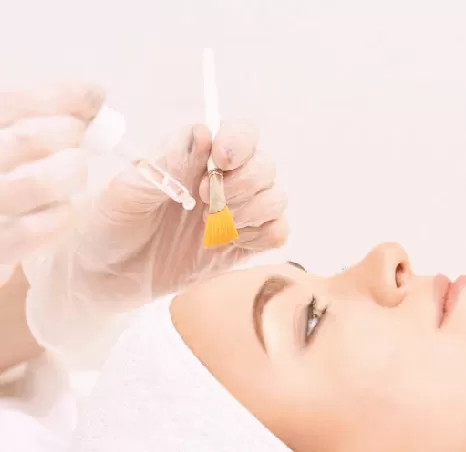
Chemical peels remove the damaged outer skin layer while stimulating cell turnover. They’re particularly effective for pollution-induced comedones and hyperpigmentation.
Chemical peel treatment in Pune at Clear Skin Clinic uses customized peel strengths based on your skin’s pollution damage level.
Laser treatments address both active inflammatory acne and scarring from previous breakouts. Laser treatments for acne scars can significantly improve skin texture and tone.
Customized acne management plans combine professional treatments with home care protocols. Dr. Dhanraj Chavan considers your commute patterns, work environment, and pollution exposure levels when creating your treatment plan.
Clear Skin’s Approach to Pollution-Related Acne
Clear Skin Clinic conducts comprehensive skin analysis to assess pollution damage. This includes measuring skin barrier function, sebum levels, and inflammatory markers.
Treatment protocols combine barrier repair, inflammation control, and active acne treatment. The approach addresses both current breakouts and future prevention.
Progress tracking occurs at regular intervals, with treatment adjustments based on results and seasonal air quality changes. As Pune’s pollution levels fluctuate, your skincare needs change too.
With 6 convenient locations across Pune (Sasoon Road, Prabhat Road, Pune Station, Pimple Saudagar, Baner, Kharadi, and NIBM), accessing professional care fits easily into your routine.
Prevention Tips Specific to Pune Neighborhoods
High-Traffic Areas (Shivaji Nagar, Deccan, Kothrud)
These areas consistently show AQI readings 20-30 points higher than Pune’s average. If you work or study here, extra cleansing is essential.
Apply antioxidant booster serums before your morning commute. Reapply a hydrating mist with antioxidants during your lunch break.
Consider keeping cleansing wipes at your desk for mid-day face refresh. Just make sure they’re gentle and alcohol-free.
IT Park Areas (Hinjewadi, Baner, Wakad)
Long commutes to these areas mean extended pollution exposure. Most residents spend 1-2 hours daily in traffic.
Keep your skincare routine simple but effective. Morning antioxidants, evening double-cleanse, and consistent barrier repair work best for busy professionals.
Office air conditioning can be drying, so keep a good moisturizer at your desk. Dry skin is more vulnerable to pollution damage.
Residential Areas (Karve Nagar, Aundh, NIBM)
Even residential areas aren’t immune to pollution. Morning and evening pollution spikes affect these neighborhoods too.
Indoor air quality matters as much as outdoor. Use air purifiers in bedrooms and main living areas.
Time outdoor activities wisely. Early morning walks (before 7 AM) or post-dinner strolls (after 8 PM) expose you to lower pollution levels.
Find your nearest Clear Skin location for convenient access to professional consultations and treatments.
Frequently Asked Questions
Can air pollution alone cause acne in Pune?
Air pollution rarely causes acne in people who have never had it before, but it might significantly worsen existing acne and trigger breakouts in acne-prone individuals. Research shows that PM2.5 and NO2 increase sebum production and inflammation even in clear skin.
If you’re genetically predisposed to acne, pollution acts as a trigger that activates breakouts. The combination of increased sebum, oxidative stress, and barrier damage creates the perfect conditions for acne development.
How quickly does pollution affect my skin?
Effects of air pollution on skin begin within hours of exposure. Oxidative stress starts immediately when PM2.5 particles contact your skin.
However, visible breakouts typically appear 24-48 hours after significant pollution exposure. This delayed response makes it difficult to connect specific pollution events with breakouts.
Chronic exposure causes cumulative damage. If you’ve lived in Pune for several years without proper protection, you may see more severe effects than someone recently relocated here.
Will moving out of Pune solve my acne?
Moving to a less polluted area often improves pollution-related acne, but it’s not the only solution. Many factors contribute to acne beyond pollution.
With proper protection and treatment, you can manage acne effectively while living in Pune. The strategies outlined in this article, combined with professional treatment when needed, work well for most people.
Consider that completely avoiding pollution is nearly impossible in any urban area. Learning to protect your skin is more practical than relocating.
What’s the best time to go outside in Pune to avoid pollution?
Pune’s AQI is typically lowest between 2-5 PM, after morning pollution has dispersed but before evening traffic builds up. However, this varies by neighborhood and weather conditions.
Winter mornings (November-February) show the highest pollution due to temperature inversion. Avoid outdoor activities between 6-10 AM during these months.
Monsoon season generally offers the cleanest air, especially during and immediately after rainfall. Take advantage of these periods for outdoor exercise.
Do indoor air purifiers help with acne?
Indoor air purifiers with HEPA filters reduce indoor PM2.5 by 60-80%, which can help reduce pollution-related acne. Since you spend 12-16 hours indoors daily, this makes a real difference.
Place purifiers in your bedroom and main living areas for maximum benefit. Your skin repairs itself during sleep, so clean bedroom air is particularly important.
However, purifiers alone won’t solve pollution-related acne. They work best as part of a comprehensive approach including proper cleansing, antioxidants, and barrier protection.
How much does pollution treatment cost at Clear Skin Clinic?
Treatment costs vary based on acne severity and required interventions. Initial consultations at Clear Skin Clinic include comprehensive skin analysis to determine appropriate treatment.
Basic chemical peels start around ₹2,000-3,000 per session. More advanced laser treatments for scarring range from ₹5,000-15,000 per session, depending on the technology used.
Most patients need a series of treatments combined with customized home care. Dr. Dhanraj Chavan creates treatment plans that fit your budget while addressing your specific needs.
Can diet offset pollution’s effects on skin?
Diet alone can’t completely offset pollution damage, but antioxidant-rich foods provide internal protection that complements topical skincare. Berries, leafy greens, nuts, and green tea contain powerful antioxidants.
Foods high in omega-3 fatty acids (fish, walnuts, flaxseeds) reduce inflammation throughout your body, including your skin. This helps counteract pollution-induced inflammatory responses.
Avoid high-glycemic foods and dairy if you’re acne-prone. While these don’t cause pollution damage, they can worsen inflammation. Learn more about how diet affects acne.
Should I use different products during high pollution days?
Your core routine should remain consistent, but you can adjust intensity on high pollution days. Add an extra cleanse if you’ve been outdoors for extended periods.
Apply an additional layer of antioxidant serum on days when AQI exceeds 150. Some people keep a richer barrier cream for severe pollution days (AQI above 200).
The key is consistency with your basic routine. Constantly changing products can irritate your skin and weaken your barrier, making you more vulnerable to pollution.
How long does it take to see improvement after starting anti-pollution skincare?
You’ll notice reduced grittiness and oiliness within 1-2 weeks of consistent cleansing and antioxidant use. Your skin will feel cleaner and less congested.
Visible reduction in breakouts typically takes 4-6 weeks. This matches your skin’s natural cell turnover cycle.
Barrier repair and overall skin health improvement continues for 3-6 months. Consistency is crucial – sporadic use won’t deliver results.
Is pollution-related acne permanent?
Pollution-related acne is not permanent and improves significantly with proper protection and treatment. Once you establish an effective routine, breakouts decrease noticeably.
However, environmental triggers don’t disappear. You’ll need to maintain your protective measures as long as you live in a polluted environment.
Acne scarring can be permanent if left untreated, which is why early intervention is important. Understanding stress and environmental acne helps you recognize when to seek professional help.
Do You Know?
Roughly 250 Patients Are Treated
Everyday By These Dermatologists
(You are one click away from flawless skin)
Meet Our Dermatologist!





Conclusion
Pune’s air pollution does worsen acne through multiple mechanisms: increased sebum production, oxidative stress, inflammation, and barrier damage. With current PM2.5 levels at 8.5 times above safe limits, protecting your skin isn’t optional.
The good news? Pollution-related acne is manageable with the right approach:
- Cleanse twice daily with gentle, effective products
- Apply antioxidant serums (vitamin C, niacinamide) every morning
- Never skip broad-spectrum SPF 30+ sunscreen
- Repair your barrier with ceramides and hyaluronic acid
- Seek professional treatment when home care isn’t enough
Don’t let Pune’s air quality dictate your skin health. Clear Skin Clinic offers comprehensive acne treatment protocols specifically designed for pollution-related breakouts. Dr. Dhanraj Chavan and his team have successfully treated thousands of Pune residents dealing with environmental acne.
Schedule your consultation at any of our 6 Pune locations: Sasoon Road, Prabhat Road, Pune Station, Pimple Saudagar, Baner, Kharadi, or NIBM.
Book your appointment today and take the first step toward clearer, healthier skin.
Further Reading
20 Tips to Say Farewell to Puffy Eyes and Feel Refreshed Again
Discover 20 powerful tips and home remedies to banish them for good.
Is Laser Hair Removal Safe in Pune Clinics? What to Check
Is laser hair removal safe for Indian skin in Pune clinics? A dermatologist-reviewed guide covering technology, Fitzpatrick skin types, and a 7-point clinic safety checklist.
Post-Acne Marks vs Scars – What Pune Patients Should Know
Confused about post-acne marks and scars? Learn the key differences, why Pune’s climate affects healing, and which treatments work best at Clear Skin Clinic Pune.
Complete Guide to Acne: Types and Expert Treatment in Pune
Comprehensive acne treatment in Pune by Dr Dhanraj Chavan. Expert care for all acne types, affordable prices, & Free consultation. Book now!
Have thoughts? Please let us know
We are committed not only to treating you, but also educating you.