
Best Pigmentation Treatment Clinics in Pune – What Patients Should Know?

Written by Clear Skin Content Team | Medically Reviewed by Dr. Dhanraj Chavan on March 16, 2026
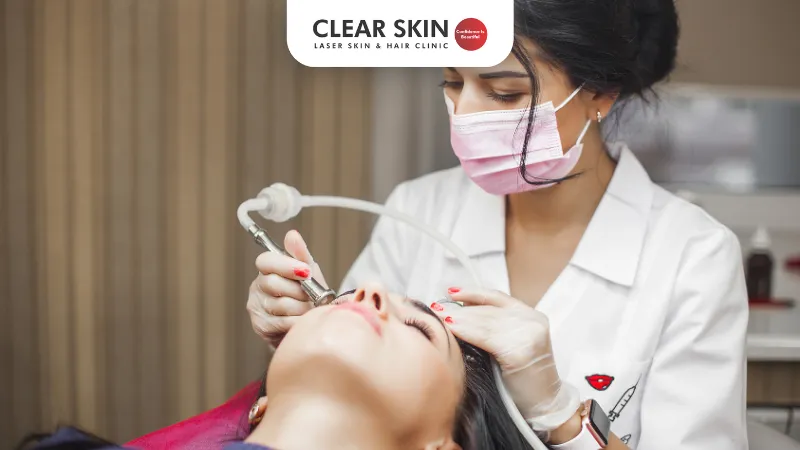
Pigmentation problems such as melasma, dark spots, and uneven skin tone are common skin concerns, especially in cities like Pune where sun exposure and pollution can affect skin health.
Skin pigmentation issues like melasma, dark spots, sun damage, and uneven skin tone are common concerns for many. In a city like Pune, factors such as sun exposure, pollution, and hormonal changes can significantly impact skin health, often leading to persistent discolouration.
Many people initially turn to over-the-counter creams or home remedies, hoping for a quick fix. However, when these methods fail to deliver results, seeking professional advice from a qualified dermatologist becomes the most reliable path forward.
If you are considering pigmentation treatment in Pune, understanding the various treatments available, what to expect, and how to select the right clinic is crucial for making an informed decision.
This comprehensive guide will walk you through everything patients should know before committing to a treatment plan.
Ready to take the next step toward healthy, radiant skin? Book a consultation at Clear Skin Clinic Pune and let our experienced dermatologists provide you with a personalised pigmentation treatment plan tailored to your unique needs.
Table Of Content
- Understanding Pigmentation: Why It Happens
- When Should You See a Dermatologist for Pigmentation?
- Pigmentation Treatments Available in Pune Dermatology Clinics
- How to Choose the Right Pigmentation Treatment Clinic in Pune
- What Happens During a Pigmentation Treatment Consultation?
- How Long Does Pigmentation Treatment Take?
- Tips to Prevent Pigmentation from Returning
- Why Many Patients Choose Dermatology Clinics for Pigmentation Treatment?
- Frequently Asked Questions (FAQs)
- Conclusion
Understanding Pigmentation: Why It Happens?
Before exploring treatments, it’s important to understand what causes pigmentation. Hyperpigmentation occurs when the skin produces an excess of melanin, the pigment that gives skin its colour. This overproduction can be triggered by a variety of factors, leading to patches of skin that appear darker than the surrounding areas. Understanding the root cause of your specific condition is the first step towards effective treatment.
Common Causes of Pigmentation
A dermatologist will diagnose the underlying cause of your pigmentation to recommend the most suitable treatment. Some of the most frequent triggers include:
- Sun Exposure: The sun’s ultraviolet (UV) rays are the primary cause of hyperpigmentation. Sun exposure stimulates melanin production as a natural defence mechanism to protect your skin from damage. Over time, this can lead to sunspots, also known as age spots or liver spots.
- Hormonal Changes: Fluctuations in hormones can trigger a specific type of pigmentation called melasma. It often appears as dark, blotchy patches on the face and is common during pregnancy (sometimes called “the mask of pregnancy”) or in individuals taking oral contraceptives.
- Acne Marks: After an acne lesion heals, it can leave behind a dark spot. This is known as post-inflammatory hyperpigmentation (PIH). It occurs because the inflammation associated with acne triggers an overproduction of melanin.
- Post-Inflammatory Hyperpigmentation (PIH): Beyond acne, any trauma or injury to the skin, such as a cut, burn, or even a harsh skin treatment, can cause inflammation and lead to PIH.
- Genetics: Your genetic makeup can make you more susceptible to certain types of pigmentation, such as freckles.
- Certain Medications: Some medications, including certain antibiotics and non-steroidal anti-inflammatory drugs (NSAIDs), can increase your skin’s sensitivity to the sun, leading to hyperpigmentation as a side effect.
Types of Pigmentation Dermatologists Treat
Dermatologists are equipped to diagnose and treat a wide range of pigmentation disorders. Because different types require different therapeutic approaches, an accurate diagnosis is essential. Common conditions include:
- Melasma: Characterised by brown or grey-brown patches, usually on the face. It requires careful, long-term management.
- Sunspots / Age Spots: Flat, oval areas of increased pigmentation that typically appear on sun-exposed areas like the face, hands, and arms.
- Post-Acne Pigmentation: Dark spots left behind after pimples and other acne blemishes have healed.
- Freckles: Small, concentrated spots of melanin that often become more prominent with sun exposure.
- Uneven Skin Tone: A general condition where different areas of the skin have varying shades, creating a blotchy or inconsistent appearance.
A dermatologist will assess your skin to determine the specific type of pigmentation you have and create a treatment plan tailored to your needs.
When Should You See a Dermatologist for Pigmentation?
Many patients delay seeking professional help, assuming that pigmentation will fade on its own. While some minor spots may lighten over time, persistent or worsening discolouration often requires medical intervention.
You should consider visiting a dermatologist if you notice any of the following signs:
- Pigmentation that lasts for more than three to four months without any improvement.
- Dark patches that are spreading or growing larger on your face or body.
- Pigmentation that worsens despite using over-the-counter creams or serums.
- The appearance of melasma during pregnancy or while on hormonal medications.
- Acne marks that do not fade after several months.
Early and accurate diagnosis from a professional significantly improves the chances of successful treatment. A dermatologist can distinguish between harmless pigmentation and more serious skin conditions, ensuring you receive safe and appropriate care.
Pigmentation Treatments Available in Pune Dermatology Clinics
Pune offers a wide array of advanced treatments for pigmentation. A reputable dermatology clinic will provide several options, often combining therapies for the best possible results. Here are some of the most effective treatments you can find.
Laser Treatment for Pigmentation
Laser treatments are a cornerstone of modern dermatology for managing stubborn pigmentation. These devices work by delivering focused beams of light energy that are absorbed by the excess melanin in the skin. This energy breaks down the pigment into smaller particles, which are then naturally cleared away by the body’s immune system.
The benefits include a significant improvement in stubborn pigmentation, a reduction in the size and intensity of dark patches, and the promotion of a clearer, more even skin tone. Common lasers used for this purpose include:
- Q-Switched Laser: This laser is highly effective for targeting specific pigmented lesions like sunspots and deeper dermal pigmentation.
- Pico Laser: A more advanced laser that delivers energy in ultra-short pulses, shattering pigment more efficiently with less heat and reduced risk of side effects.
- Fractional Laser: This laser treats a fraction of the skin at a time, creating micro-injuries that stimulate collagen production and skin renewal, which helps improve overall skin texture and tone.
At facilities like Clear Skin Clinic Pune, dermatologists use state-of-the-art laser technology to provide safe and precise pigmentation treatment in Pune. If you’re looking for effective results that restore clarity to your skin, consider scheduling a laser pigmentation consultation with Clear Skin Clinic Pune—your trusted local partner in advanced skin care.
Chemical Peels for Pigmentation
Chemical peels are another highly effective treatment for improving pigmentation. This procedure involves applying a chemical solution to the skin, which exfoliates and removes the damaged top layers. As the skin heals, it reveals a smoother, more evenly toned layer underneath.
The primary benefits of chemical peels are the improvement of uneven skin tone, a visible reduction in dark spots, and the stimulation of cellular turnover and skin renewal. Common peels used for pigmentation include:
- Glycolic Acid Peel: An alpha-hydroxy acid (AHA) peel that is excellent for exfoliating the surface and improving sun damage and mild discolouration.
- Salicylic Acid Peel: A beta-hydroxy acid (BHA) peel that penetrates deeper into the pores, making it effective for post-acne pigmentation.
- TCA (Trichloroacetic Acid) Peel: A medium-depth peel used for more significant pigmentation issues and sun damage.
Medical Creams and Topical Treatments
In many cases, a dermatologist will prescribe medical-grade creams or serums as a primary treatment or to complement in-clinic procedures. These formulations contain active ingredients that work to reduce melanin production and lighten existing dark spots. Common prescription ingredients include:
- Hydroquinone: A powerful skin-lightening agent that inhibits the enzyme responsible for melanin production.
- Retinoids: Derivatives of Vitamin A that increase skin cell turnover, helping to fade dark spots and improve skin texture.
- Azelaic Acid: A naturally occurring acid that helps reduce inflammation and decrease melanin production, making it useful for both acne and pigmentation.
- Kojic Acid: Another ingredient that helps inhibit melanin production and lighten skin.
These should only be used under the guidance of a dermatologist, as they can cause irritation if not used correctly.
Advanced Dermatology Procedures
Depending on your specific skin condition, a dermatologist may recommend other advanced procedures. Often, the best results are achieved through a combination of therapies tailored to the individual. These can include:
- Laser Toning: A gentle laser treatment that uses low energy to break down pigment over a series of sessions, gradually improving skin tone with minimal downtime.
- Skin Rejuvenation Procedures: Treatments like microneedling can be combined with other therapies to enhance the penetration of topical agents and stimulate collagen, improving overall skin health and appearance.
- Combination Therapy: This is often the most effective approach for complex conditions like melasma. A dermatologist might combine lasers, chemical peels, and a personalised regimen of topical creams to tackle the pigmentation from multiple angles.
It is important to understand that most pigmentation treatments require multiple sessions to achieve the desired outcome.
If you are concerned about Pigmentation and want a clear treatment plan, schedule a consultation at Clear Skin Clinic. Our dermatologists carefully examine the type of pigmentation and recommend safe, effective options based on your skin type.
Visit us at Baner, Kharadi, Prabhat Road, Pune Station, or NIBM for personalised pigmentation treatment.
How to Choose the Right Pigmentation Treatment Clinic in Pune?
Selecting the right clinic is just as important as choosing the right treatment. Your choice of clinic will directly impact the safety, effectiveness, and overall experience of your treatment journey. Here are key factors to consider when looking for a pigmentation clinic in Pune.
Check Dermatologist Qualifications
The most critical factor is the expertise of the person performing the treatment. Ensure the clinic is run by a board-certified dermatologist with extensive experience in treating pigmentation disorders. Look for qualifications (MD, DNB in Dermatology) and check their credentials. The best dermatologist for pigmentation in Pune will have a deep understanding of skin biology and the nuances of various treatment technologies.
Look for Advanced Technology
A top-tier clinic should be equipped with modern, US FDA-approved technology. Clinics that offer a range of advanced treatments, such as different types of lasers and peels, are better positioned to customise a plan for you. Outdated equipment can be less effective and may carry a higher risk of side effects.
Personalised Treatment Plans
Every individual’s skin is unique, and a one-size-fits-all approach is rarely effective for pigmentation. A good clinic will conduct a thorough analysis of your skin, take a detailed medical history, and discuss your lifestyle and goals. Based on this comprehensive assessment, they will recommend a customised treatment plan designed specifically for you.
Patient Reviews and Results
Reading about the experiences of other patients can provide valuable insight into a clinic’s quality of care. Look for authentic patient testimonials and, if possible, before-and-after photos of previous cases. These can help you gauge the dermatologist’s expertise and the potential results you can expect.
What Happens During a Pigmentation Treatment Consultation?
Feeling anxious before your first visit to a dermatology clinic is normal. Knowing what to expect during the consultation can help ease your concerns.
A typical first appointment involves several key steps:
- Skin Examination: The dermatologist will closely examine your skin, possibly using a special magnifying lamp or a Woods lamp to assess the depth and type of pigmentation.
- Diagnosis: Based on the examination and your medical history, the dermatologist will diagnose the specific type of pigmentation you have, such as melasma, sunspots, or PIH.
- Discussion of Treatment Options: The doctor will explain the suitable treatment options for your condition, outlining the benefits, potential risks, and expected outcomes of each.
- Treatment Plan and Sessions: A personalised treatment plan will be created, detailing the recommended procedures, the estimated number of sessions required, and the interval between them.
- Skincare and Sun Protection Advice: You will receive crucial advice on a supportive skincare routine and the importance of diligent sun protection, which is vital for the success of any pigmentation treatment.
How Long Does Pigmentation Treatment Take?
Patience and consistency are key when it comes to treating pigmentation. The timeline for results varies greatly depending on several factors. Here is a general idea of what to expect:
- Mild Pigmentation (e.g., light sunspots, recent PIH): May see improvement within 2–4 sessions.
- Moderate Pigmentation: Often requires 4–6 sessions for significant clearing.
- Severe or Deep Pigmentation (e.g., melasma): May require ongoing management with a combination of treatments over a longer period.
Factors that influence the duration and outcome include your skin type, the underlying cause of the pigmentation, your commitment to sun protection, and your consistency with the recommended treatment plan and home care.
How Much Does Pigmentation Treatment Cost in Pune?
The cost of pigmentation treatment in Pune can vary significantly.
It is not a single fixed price, as it depends on a combination of factors:
- Type of Treatment: Laser treatments are generally more expensive than chemical peels or topical creams.
- Number of Sessions: The total cost will depend on how many sessions are needed to achieve your desired results.
- Technology Used: Clinics using the latest, most advanced laser systems may have higher prices.
- Severity of Pigmentation: More extensive or deeper pigmentation will likely require more intensive treatment, affecting the overall cost.
During your consultation, the clinic should provide a transparent and detailed breakdown of the estimated costs for your personalised treatment plan.
Tips to Prevent Pigmentation from Returning
Successfully treating pigmentation is only half the battle; preventing its recurrence is equally important. Maintenance is crucial for long-lasting results.
- Use Sunscreen Daily: This is non-negotiable. Apply a broad-spectrum sunscreen with an SPF of 30 or higher every day, even when it’s cloudy or you’re indoors.
- Avoid Excessive Sun Exposure: Wear wide-brimmed hats and sunglasses, and seek shade during peak sun hours (10 a.m. to 4 p.m.).
- Follow Your Dermatologist’s Skincare Routine: Consistently use the products recommended by your dermatologist to maintain your results.
- Avoid Self-Medication: Do not use strong over-the-counter creams without professional guidance, as they can sometimes worsen pigmentation.
- Maintain Regular Follow-Up: Schedule follow-up appointments as recommended by your dermatologist to monitor your skin and make any necessary adjustments to your maintenance plan.
Why Many Patients Choose Dermatology Clinics for Pigmentation Treatment?
While home remedies and salon facials might promise clearer skin, professional treatment at a dermatology clinic offers distinct advantages. These benefits are why so many individuals seeking effective Melasma treatment in Pune or solutions for other pigmentation issues turn to experts.
A dermatologist provides an accurate diagnosis, which is the foundation of any successful treatment. They perform procedures in a sterile, controlled medical environment, ensuring your safety.
Most importantly, you receive personalised care tailored to your unique skin type and condition, leading to more predictable and sustainable long-term improvement. Patients seeking pigmentation treatment in Pune often consult dermatology clinics where treatments are customised for their specific needs.
Clinics like Clear Skin Clinic Pune focus on medical dermatology treatments that help manage pigmentation safely and effectively.
Our compassionate experts are here to provide you with a scientific and caring approach every step of the way.
Book your appointment now and experience the difference local expertise can make.
Frequently Asked Questions About Pigmentation Treatment
Is pigmentation treatment permanent?
The permanence of results depends on the cause of the pigmentation and, most importantly, on your post-treatment care. Sun-induced pigmentation can be cleared, but it will return with unprotected sun exposure. Conditions like melasma often require ongoing management.
Which treatment is best for melasma?
There is no single “best” treatment for melasma. It is a complex condition that often responds best to a combination approach. Dermatologists frequently combine medical creams, gentle chemical peels, and specific laser treatments for effective management.
Is laser treatment safe for pigmentation?
When performed by a qualified and experienced dermatologist using the appropriate technology for your skin type, laser treatment is a very safe and effective option for pigmentation.
Can pigmentation come back after treatment?
Yes, pigmentation can return. The most common reason for recurrence is inadequate sun protection. Hormonal triggers and genetics can also play a role. A consistent maintenance routine is essential.
Do You Know?
Roughly 250 Patients Are Treated
Everyday By These Dermatologists
(You are one click away from flawless skin)
Meet Our Dermatologist!





Conclusion
Living with pigmentation can be challenging and may affect your confidence, but it is a condition that can be managed effectively with the right professional guidance.
By understanding the available treatments, setting realistic expectations, and carefully choosing the right pigmentation clinic in Pune, you can ensure safe procedures and achieve satisfying results.
If you have tried various remedies without success, consulting a dermatologist is the most reliable next step. A professional can accurately identify the cause of your pigmentation and design a treatment plan that will lead you towards clearer, healthier, and more radiant skin.
For those ready to take that step, Clear Skin Clinic Pune offers expert dermatological care to help you on your journey.
Further Reading
Effective Tips to Remove Dark Spots on Hands
Expert guide to removing dark spots on hands in 2026. Latest natural remedies, medical treatments, and prevention tips from Dr Dhanraj Chavan.
Can Food Reduce Melanin? What Actually Helps Skin Pigmentation
Discover the best foods to naturally reduce melanin levels for a glowing complexion.
Effective Home Remedies for Skin Pigmentation
Home remedies for skin pigmentation can help with mild dark spots. Learn safe options, limitations, & when professional treatment is needed.
10 Effective Home Remedies to Remove Dark Spots on the Face Naturally
Do home remedies really remove dark spots on face? Understand what works, what doesn’t, and when to see a dermatologist for pigmentation.
Have thoughts? Please let us know
We are committed not only to treating you, but also educating you.