
Tattoo Removal Reviews from Pune Patients – Results After Q-Switch Laser at Clear Skin

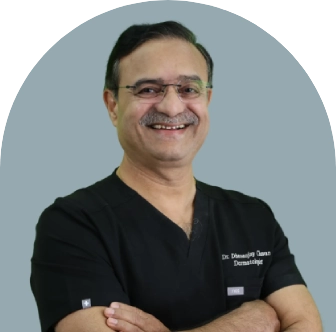
Written by Clear Skin Content Team | Medically Reviewed by Dr. Dhanraj Chavan on October 16, 2026

At Clear Skin, the procedure uses a Q-switched Nd:YAG laser, and the work is reviewed by Dr. Dhanraj Chavan, MD Dermatology. This article shares what real Pune patients report after Q-switch laser tattoo removal at Clear Skin, session by session, with honest results.
Table Of Content
- Key Takeaways
- What Q-Switch Laser Tattoo Removal Is and How Results Are Measured
- Key Treatment Attributes Table
- A Patient Story: Three Sessions and Clearer Skin
- What Happens Across Sessions
- What Affects How Many Sessions You Need
- What Patients Say at Clear Skin
- Is It Painful and What Is Recovery Like?
- Honest Expectations and Safety
- As Verified By
- Conclusion: Realistic Expectations Make for Happy Patients
- Frequently Asked Questions
Key Takeaways
- Laser tattoo removal uses Q-switched laser pulses to shatter ink so the body clears it.
- Visible fading usually shows within 3 to 5 Q-switched laser sessions.
- Complete removal takes more sessions and depends on ink colour, size, depth, and age.
- Sessions are spaced about 6 to 8 weeks apart so skin recovers between visits.
- Black ink clears fastest; coloured, older, and larger tattoos need more sessions.
- Clear Skin uses a Q-switched Nd:YAG laser, reviewed by Dr. Dhanraj Chavan.
- Temporary lightening or darkening of the skin can happen and usually settles.
What Q-Switch Laser Tattoo Removal Is and How Results Are Measured
Q-switch laser tattoo removal sends very short, high-energy light pulses into the skin. The pulses are absorbed by the tattoo ink and break it into tiny particles. The body’s immune system then clears those particles over the following weeks.
Results are measured two ways: fading per session and total sessions to clearance. Fading is how much lighter the tattoo looks after each visit, and most patients notice visible fading within 3 to 5 sessions. Total clearance is how many sessions it takes for the ink to disappear, which varies widely by ink and tattoo type. Dr. Dhanraj Chavan sets a realistic session range for each patient at the first consultation.
Key Treatment Attributes Table
|
Attribute |
Detail |
|
Procedure |
Laser tattoo removal (non-surgical) |
|
Device |
Q-switched Nd:YAG laser |
|
First visible fading |
Within 3 to 5 sessions |
|
Sessions for clearance |
Varies widely; commonly 6 to 12 or more |
|
Session spacing |
About 6 to 8 weeks apart |
|
Downtime |
Minimal; redness and scabbing for several days |
|
What affects sessions |
Ink colour, size, depth, age, skin tone |
|
Results |
Gradual fading; complete removal not guaranteed |
|
Reviewed by |
Dr. Dhanraj Chavan, MD Dermatology |
A Patient Story: Three Sessions and Clearer Skin
One real result captures the typical early arc well.
Ganesh P. left a 4-star review: “I had three sessions of tattoo removal at Clear Skin. The pigmentation has reduced significantly and my skin looks much clearer now. The staff guided me well throughout.”
His account matches the standard pattern, where visible fading shows across the first 3 to 5 sessions. The ink lightens in stages rather than vanishing at once, which is why patient guidance matters between visits. Cases like his are documented in Clear Skin’s tattoo removal results gallery.
A second patient describes a faster finish on a suitable tattoo. Sachin J. reported a 5-star experience: “I took tattoo removal treatment at Clear Skin about four months ago, and my tattoo was completely gone in four months. The team treats very carefully.”
His outcome sits at the favourable end of the range. Small, black-ink tattoos on lighter skin tend to clear in fewer sessions, while coloured or larger work takes longer.

What Happens Across Sessions
Tattoo removal is a staged process, not a single appointment. Fading is gradual because the body needs time to flush the shattered ink particles after each visit. Sessions are spaced about 6 to 8 weeks apart so the skin recovers and the immune system clears as much ink as possible. This spacing protects the skin and improves the final result.
In the first 1 to 2 sessions, the most superficial ink breaks down and the tattoo often looks lighter or patchy. Black ink responds first because it absorbs the Q-switched Nd:YAG wavelength well. Redness, mild swelling, and small scabs are normal for several days after each visit.
By sessions 3 to 5, most patients see clear, visible fading, as Ganesh P. described after three sessions. Deeper and coloured pigments need more passes, so the tattoo continues to lighten in stages. The clinic checks healing before each new session and adjusts settings to the skin’s response.
Later sessions target the stubborn, deeper ink that remains. Some tattoos clear fully, while others fade to a faint shadow that needs several more visits. To recap so far: Q-switch laser tattoo removal at Clear Skin is a staged Q-switched Nd:YAG treatment, fading is gradual across sessions spaced 6 to 8 weeks apart, and the number of sessions depends on ink colour, size, depth, and age.
What Affects How Many Sessions
You Need
The number of sessions varies widely from person to person. Black ink clears best because it absorbs laser light across the broadest range. Coloured inks such as green, blue, and yellow are more stubborn and often need more sessions or are harder to remove completely.
Tattoo age and origin also matter. Older tattoos have already faded a little and can respond faster, while fresh ink may need more passes. Amateur tattoos often sit at an uneven depth, and professional tattoos pack denser ink, so each behaves differently under the laser.
Size, depth, and your skin tone round out the picture. Larger and deeper tattoos take more sessions, and skin tone guides the safe laser settings used at each visit. Dr. Dhanraj Chavan reviews these factors before giving any patient a session estimate.
What Patients Say at Clear Skin
Across patient feedback for tattoo removal, the recurring themes are gradual but real fading, careful handling, and clear guidance at each step. The feedback below is from real Google reviews and a verified Practo review, shown with first name and last initial.
- Israr S. (5 stars): “I visited Clear Skin Baner for tattoo removal. The dermatologist suggested Q-switch laser along with some medication, and I saw results in three to four sessions. Highly recommend.”
- Om S. (5 stars): “I had a fantastic experience at Clear Skin for tattoo removal. The staff was professional and knowledgeable, guiding me through each step and keeping me comfortable.”
- Prarthana N. (5 stars): “I loved my experience at Clear Skin for laser tattoo removal. The team made the process easy and comfortable, the clinic was clean, and the results were great.”
- A verified patient on Practo: “I had an outstanding experience at Clear Skin Clinic for tattoo removal. The staff was helpful and professional, making me feel at ease throughout, and the clinic is clean.”
These accounts line up with the session pattern in this guide. Israr S. noting results in three to four sessions sits squarely in the typical fading window. You can read more outcomes in the tattoo removal results gallery.
Is It Painful and What Is Recovery Like?
Patients often ask about pain and downtime before they book. Most people describe the sensation as a quick snap against the skin, and a numbing cream is used to keep it comfortable. You can read more in the clinic guide on whether laser tattoo removal is painful.
Recovery after each session is short but real. Redness, mild swelling, and small scabs are normal and settle over several days. Aftercare and sun protection help the skin heal and lower the risk of temporary colour change.
Honest Expectations and Safety
Q-switch laser tattoo removal is effective, but it is honest to set the right expectations. Complete removal is not guaranteed and can take many sessions, especially for coloured, larger, or amateur tattoos. Some tattoos fade to a faint shadow rather than disappearing fully.
Temporary skin changes can occur after treatment. The treated area may look lighter or darker for a while, and this usually settles over weeks to months. A consultation and a patch-style assessment help the team match settings to your skin and reduce risk.
For some marks, other lasers may form part of the plan. Clear Skin also offers pico laser treatment, and your dermatologist will advise the right approach for your tattoo and skin tone.
As Verified By
The clinical points in this article align with independent authorities on laser tattoo removal.
- The American Academy of Dermatology states that Q-switched lasers are the standard for tattoo removal, that several sessions are needed, and that complete removal cannot always be guaranteed.
- DermNet explains that Q-switched lasers shatter ink into particles cleared by the immune system, and that black ink responds best while some colours are harder to remove.
- A peer-reviewed review in PMC (laser tattoo removal) documents Q-switched laser mechanisms, the need for multiple spaced sessions, and factors that affect clearance.
- Cleveland Clinic notes that laser tattoo removal takes multiple sessions spaced weeks apart and that results depend on tattoo size, colour, and age.
- The NHS notes that laser tattoo removal usually needs several sessions spaced weeks apart and that temporary skin colour changes can occur.
Conclusion: Realistic Expectations Make for Happy Patients
Laser tattoo removal at Clear Skin is a staged Q-switched Nd:YAG treatment, with visible fading usually within 3 to 5 sessions and complete clearance taking more visits spaced about 6 to 8 weeks apart. Real Pune patients report clearer skin and, in suitable cases, full removal, while results always vary by ink colour, size, depth, and age. Dr. Dhanraj Chavan reviews Clear Skin’s tattoo removal content and sets a realistic session plan for each patient.
If you are weighing tattoo removal, the next step is a skin and tattoo assessment. You can review the tattoo removal page, check typical pricing in the tattoo removal cost guide, or book through the Clear Skin contact page. All internal links verified.
Medically reviewed by Dr. Dhanraj Chavan.
Frequently Asked Questions
How many sessions does laser tattoo removal take?
Most patients see visible fading within 3 to 5 Q-switched laser sessions. Complete removal usually needs more visits, commonly 6 to 12 or more, and varies widely.
The exact number depends on ink colour, size, depth, and age. Black ink clears fastest, while coloured, larger, or amateur tattoos take longer.
Does Q-switch laser tattoo removal hurt?
Most patients describe the sensation as a quick snap against the skin. A numbing cream is applied first to keep the session comfortable.
Mild redness, swelling, and small scabs are normal afterward and settle over several days. Aftercare and sun protection help the skin heal well.
How far apart are tattoo removal sessions spaced?
Sessions are spaced about 6 to 8 weeks apart at Clear Skin. This gap lets the skin recover and gives the body time to clear the shattered ink.
Spacing sessions properly protects the skin and improves the final result. Your dermatologist confirms the right interval for your skin and tattoo.
Can all tattoo colours be removed completely?
Black ink responds best because it absorbs the Q-switched Nd:YAG wavelength well. Coloured inks such as green, blue, and yellow are more stubborn.
Complete removal cannot always be guaranteed, especially for coloured or amateur tattoos. Some tattoos fade to a faint shadow rather than disappearing fully.
Is laser tattoo removal safe for the skin?
Q-switch laser tattoo removal is considered safe when performed by trained professionals. Temporary lightening or darkening of the treated skin can happen and usually settles over weeks to months.
A consultation helps the team match laser settings to your skin tone. This lowers the risk of lasting colour change and supports good healing.
What does Q-switch laser tattoo removal cost at Clear Skin?
Cost depends on tattoo size, ink colour, depth, and the number of sessions needed. Larger and coloured tattoos cost more because they need more sessions.
Clear Skin sets pricing after a tattoo and skin assessment. You can review typical pricing in the tattoo removal cost guide and confirm your plan at consultation.
Do You Know?
Roughly 250 Patients Are Treated
Everyday By These Dermatologists
(You are one click away from flawless skin)
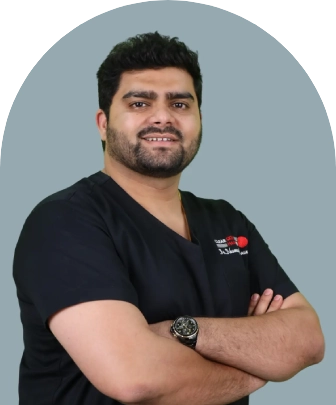
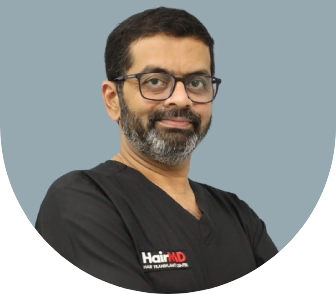
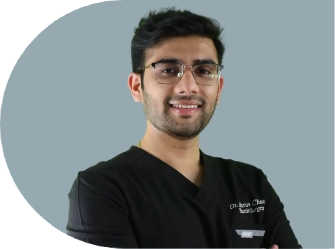
Meet Our Dermatologist!

Conclusion
Chemical peels and laser treatments can both play an important role in managing sun damage and dark spots, but the right choice depends on the type and depth of pigmentation. Chemical peels are generally suited to broad surface pigmentation, uneven tone, and superficial marks, while laser treatment offers more targeted treatment for defined spots that remain after other approaches.
For Indian skin, treatment planning is especially important because both procedures can trigger post-inflammatory hyperpigmentation if the treatment, settings, or aftercare are not appropriately selected. Melasma also requires a more cautious approach, with topical treatment and gentle peels generally considered before introducing laser.
In many cases, pigmentation management works best as a planned sequence rather than choosing one treatment in isolation. A dermatologist can assess the type of pigmentation, determine your skin’s tolerance, and create a treatment plan that balances results with safety.
Further Reading
Dark Circles: Fillers vs PRP vs Laser in Pune
Under-eye dark circle treatment in Pune – fillers vs PRP vs laser compared on results, longevity, and cost. Reviewed by Dr. Dhanraj Chavan.
PIH After Acne: Causes & Treatment | Clear Skin Pune
Post-inflammatory hyperpigmentation (PIH) is a flat dark mark after acne, not a scar. Learn why Indian skin is prone to it and how Clear Skin Pune treats it.
HIFU vs Botox vs Fillers vs Thread Lift for Anti-Aging in Pune – Which is Right for You?
Laser and chemical peels both treat sun damage and dark spots, but through different mechanisms.
Profhilo vs Dermal Fillers: Which Is Better for Skin Hydration?
Profhilo and dermal fillers both use hyaluronic acid but work completely differently. This breakdown explains which one improves skin quality and which one restores volume.
Have thoughts? Please let us know
We are committed not only to treating you, but also educating you.