
Unlock the Power of IPL Laser for Melasma Treatment

Written by Clear Skin Content Team | Medically Reviewed by Dr. Dhanraj Chavan on November 10, 2023
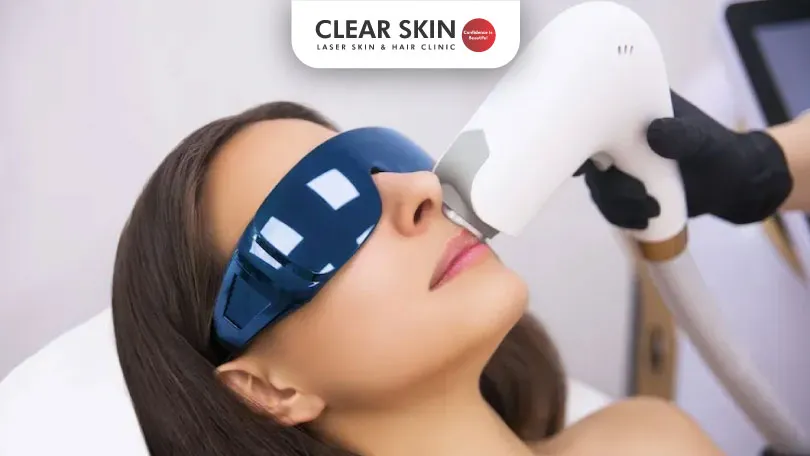
Are you tired of struggling with melasma, those frustrating brown or grey patches that seem to resist your efforts to get rid of them stubbornly? If yes, then we are sure you must have heard about the IPL laser for melasma.
IPL can help to reduce the appearance of melasma patches and restore a more even complexion to your skin. But how does it work? Is the IPL really beneficial? What about the side effects?
Let’s get answers!
Table Of Content
- How Does IPL Laser for Melasma Work?
- Side Effects of Laser Treatment
- Conclusion
How Does IPL Laser for Melasma Work?
IPL, or Intense Pulsed Light, uses broad-spectrum light to target melanin pigment in the skin. When melanin is produced in excess, as with melasma, it can result in brown or grey patches on the skin.
IPL delivers a controlled burst of light energy to the affected area, which is absorbed by the excess melanin. This energy causes melanin to break down and be absorbed by the body, reducing the appearance of the melasma patches.
IPL can be customised to target specific wavelengths of light, allowing it to target melanin without damaging the surrounding tissue. This makes it a safe and effective treatment for melasma, with minimal discomfort and downtime.
The number of IPL treatments required for melasma varies depending on the severity of the condition, but most patients need a series of treatments spaced a few weeks apart to achieve the desired results. The melasma patches will gradually lighten with each treatment, creating a clearer and more even complexion.
IPL, which was previously a highly popular treatment, has recently diminished in popularity due to its associated side effects and the common occurrence of paradoxical or rebound darkening of melasma, especially in individuals with Indian skin.
As a result, dermatologists now widely recommend newer technologies, such as Q-switched Nd:YAG laser toning, which is considered superior to IPL. Opting for these advanced treatments is considered a more favourable choice for individuals seeking effective skin treatments.
Side Effects of Laser Treatment
While IPL laser treatment for melasma is generally considered safe and effective, there are some potential side effects that you should be aware of. These may include:
- Redness and irritation
- Swelling
- Pigment changes
- Blistering
- Scarring
It’s better to discuss any potential side effects with your dermatologist before undergoing IPL treatment for melasma. He/She can help you understand the treatment’s risks and benefits and recommend steps to minimise the risk of side effects.
Do You Know?
Roughly 250 Patients Are Treated
Everyday By These Dermatologists
(You are one click away from flawless skin)
Meet Our Dermatologist!




Conclusion
In conclusion, IPL laser treatment offers a promising solution for reducing the appearance of melasma, leveraging its ability to target excess melanin and restore skin clarity. While effective, it’s essential to weigh potential side effects and consider newer alternatives like Q-switched Nd
laser toning for optimal results.
Consultation with a dermatologist at Clear Skin Clinics can provide tailored guidance on the most suitable treatment approach for your melasma concerns in Pune.
Further Reading
Melasma Treatment Reviews in Pune | Clear Skin
Real Clear Skin Pune patient results for melasma treatment – see before and after outcomes after laser and chemical peel, and what to expect.
Best Treatment for Pigmentation on Face
Discover top treatments for pigmentation on the face. Get clear, even-toned skin with dermatologist-recommended pigmentation solutions in Pune.
Skin Treatments for Anti-Aging
Discover the best skin treatments for anti-ageing to reduce wrinkles, fine lines, and achieve glowing skin. Explore non-surgical options and expert tips for youthful skin.
Laser Hair Removal Before and After Results – Things to Know
What does laser hair removal look like after session 1, 3, and 6? See the session-by-session timeline, body area guide, and book at Clear Skin Pune.
Have thoughts? Please let us know
We are committed not only to treating you, but also educating you.