
7 Tips to Brighten Dull Skin Naturally

Written by Clear Skin Content Team | Medically Reviewed by Dr. Dhanraj Chavan on August 20, 2026
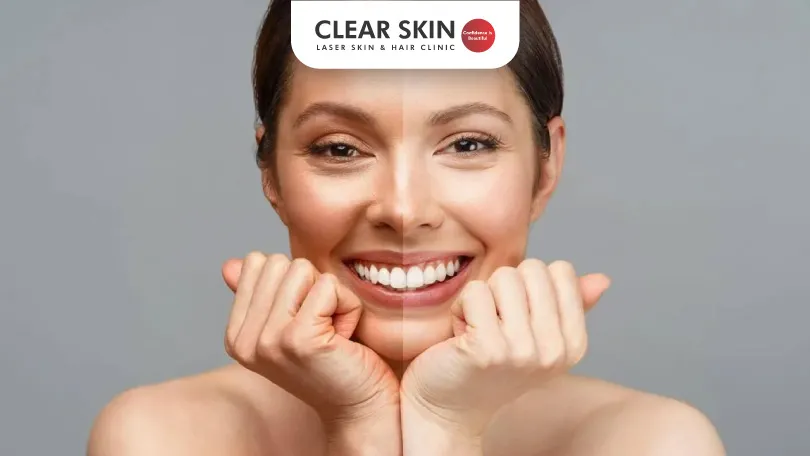
Tired of dull, lifeless skin? Discover seven natural tips to brighten and rejuvenate your complexion effortlessly
As pollution, sun exposure, and aging take their toll, ‘my skin looks dull and tired’ has become a common refrain among those young and old. There is no denying that soft, glowing skin can make you look good and feel good! Yet we have little control over pollution or aging that cause dull and tired skin.
Fret not! For nature has its own solutions for how to brighten up a tired-looking face. Here is a curated list of nature’s own skin rejuvenation treatments. You can mix and match the suggestions below to create your custom plan and watch dull and tired skin make way for a ‘lit-up from inside’ glow!
Table Of Content
- Why Does Skin Look Dull? The Mechanism?
- 6 Types of Dull Skin: Which One Is Yours?
-
Tips to Brighten Dull Skin Naturally
- What Dermatologists Actually Recommend for Dull Skin?
- Professional Treatments for Dull Skin at Clear Skin
- How Long Does It Take to See Results?
- Frequently Asked Questions
- Conclusion
Why Does Skin Look Dull? The Mechanism
Healthy skin reflects light evenly. When the outermost skin layer is smooth, with cells lying flat and tightly packed, light bounces off in a uniform direction, creating the perception of glow or radiance.
Dullness occurs when this surface is disrupted. Dead cells pile up unevenly, pigmented patches scatter light differently from the surrounding skin, dehydrated cells shrink and lose their reflective surface, or a film of minerals, sebum, or pollution debris sits on top and absorbs light instead of reflecting it. The result is skin that looks flat, grey, or tired, regardless of how much sleep you got.
What makes Indian skin particularly vulnerable: India’s year-round high UV exposure accelerates cell damage and melanin overproduction. Indian cities rank among the world’s most polluted, with particulate matter (PM2.5) depositing on skin and generating free radicals. And Fitzpatrick IV–VI skin types, the predominant skin tones across India, produce significantly more melanin in response to any inflammatory stimulus, making uneven pigmentation a chronic, recurring issue.
Understanding which type of dullness you have is the critical first step. Treating pigmentation-driven dullness with hydration, or barrier-damaged dullness with aggressive exfoliation, will at best do nothing and at worst make things worse.
6 Types of Dull Skin: Which One Is Yours?
Type 1: Dehydrated Dull Skin
What’s happening: Skin cells that lack sufficient water lose their plump, reflective surface. They flatten and shrink, making skin look dull and lifeless even when there is no visible pigmentation problem.
How to identify it: Pinch a small area of cheek skin gently and release. If fine horizontal lines appear briefly before skin bounces back, dehydration is a factor. Skin may also feel tight after cleansing despite being otherwise healthy, or appear shiny and oily yet simultaneously dull, a confusing combination caused by sebum overproduction as the skin compensates for lack of water.
Common India-specific trigger: India’s heat causes significant sweat loss. Combined with dehydrating beverages (excess chai, coffee, alcohol) and air conditioning, many Indian patients are chronically mildly dehydrated without realising it.
Treatment: Hyaluronic acid serum applied to slightly damp skin (so it draws ambient moisture inward rather than pulling from deeper layers). Humectant-containing moisturiser as a second layer. Water intake of 2.5 to 3 litres daily. Results visible within 1 to 2 weeks.
Type 2: Dead Cell Accumulation (Texture Dullness)
What’s happening: The skin renews itself every 28 to 40 days. As we age, and as UV exposure accumulates, this cycle slows, and dead cells pile up on the surface faster than they shed naturally. The result is skin that looks grey or ashy, feels rough to touch, and has a flat, matte appearance without any healthy sheen.
How to identify it: Skin looks dull without obvious dark patches. Running a finger across the cheek feels slightly rough or papery. Skin may look better immediately after a facial or professional exfoliation, but returns to looking dull within 2 to 3 weeks.
Treatment: AHA chemical exfoliation, specifically glycolic acid (5 to 10%) or lactic acid (5 to 10%) leave-on products used at night, 2 to 3 times per week. Enzyme exfoliants (papain, bromelain) as a gentler alternative. Physical scrubs, including sugar or walnut shell, are not recommended; they create micro-tears in the skin surface and worsen long-term texture. Professional glycolic or lactic peels at a dermatology clinic provide deeper, faster results.
Type 3: Pigmentation-Driven Dull Skin (Most Common in India)
What’s happening: Uneven melanin distribution, from PIH (post-inflammatory hyperpigmentation) left by acne, from melasma triggered by sun exposure and hormonal changes, or from general tanning, makes skin reflect light unevenly. The dark patches absorb light while surrounding skin reflects it, creating a patchy, uneven appearance that reads as dull.
How to identify it: Visible dark patches, spots, or an overall uneven tone. Skin may be smooth in texture but still look dull because of colour variation. If you have a history of acne that leaves dark marks, or visible pigmentation across the cheeks, forehead, or upper lip, this is your primary dullness type.
Why Indian skin is especially affected: Fitzpatrick IV–VI skin types contain more melanocytes (melanin-producing cells) that are more reactive. They produce melanin more readily in response to any inflammatory trigger (acne, friction, allergic reaction, even aggressive skincare). One acne spot that would leave no mark on lighter skin can leave a visible dark mark for 3 to 6 months on Indian skin.
Treatment: Vitamin C serum (10 to 20% L-ascorbic acid) applied every morning, which inhibits the enzyme that produces melanin and provides antioxidant protection against UV-induced pigmentation. Niacinamide (5 to 10%), which inhibits the transfer of melanin from melanocytes to skin cells, evening out tone without irritation. Alpha arbutin (1 to 2%), a gentler tyrosinase inhibitor effective for PIH and tan. SPF 50 PA+++ every single day, because without this, all brightening treatment is reversed daily by UV exposure.
For established pigmentation that does not respond to topicals, Q-switched ND:YAG laser and IPL (Intense Pulsed Light) at Clear Skin specifically target melanin deposits and break them down. Skin pigmentation treatment at Clear Skin.
Type 4: Barrier-Damaged Dull Skin
What’s happening: The skin barrier (the outermost layer of cells and lipids that keeps moisture in and irritants out) is compromised. A damaged barrier loses water rapidly, becomes chronically inflamed, and loses its reflective surface. Skin looks dull, red, and reactive rather than glowing.
How to identify it: Products that previously worked now sting or burn on application. Skin feels perpetually dry or tight even immediately after moisturising. Redness, flaking, or sensitivity that seems to have no clear cause. This condition is often caused by a pattern of over-treatment: too many actives, too frequently, causing cumulative barrier damage.
Common causes in Indian patients: DIY home remedies applied to the face, particularly acidic ingredients like lemon juice (pH 2.0), which directly damage the skin barrier and cause chemical irritation, are a significant cause. Very hot water used for face washing strips the barrier lipids. Harsh foaming cleansers with high pH also contribute.
Important: Lemon juice should not be applied directly to the face. Despite being widely recommended as a natural brightener, lemon juice contains psoralens and furocoumarins that are phototoxic. They react with UV light to cause darkening and burning. On Indian skin types, lemon-induced irritation frequently triggers post-inflammatory hyperpigmentation that is significantly darker than the original dullness. This is a documented pattern that dermatologists treat regularly.
Treatment: Pause all active ingredients (acids, retinoids, vitamin C) for 2 to 4 weeks. Switch to a gentle, non-foaming, low-pH cleanser. Apply a ceramide-containing moisturiser twice daily to support barrier repair. Niacinamide (5%) is the one active that is safe to continue, as it supports barrier function while calming inflammation. Do not exfoliate during recovery.
Type 5: Sun Damage and Tanning Dullness
What’s happening: Cumulative UV exposure (the kind accumulated daily without SPF in India’s climate) causes multiple simultaneous problems: melanin overproduction (tanning and dark spots), collagen breakdown (skin loses its firmness and reflectivity), accelerated dead cell accumulation, and a thickening of the outermost layer (photokeratosis) that makes skin look heavier and duller.
How to identify it: Skin looks noticeably darker or more uneven after summer or periods of extended outdoor activity. Tan that does not fully fade. Overall skin tone that has become progressively darker and duller over years. More common in people who spend significant time outdoors (daily commuting, outdoor work, or sports) without consistent SPF.
India-specific context: India’s UV index reaches 10 to 12 during summer months, rated as extreme on the WHO scale. This level of UV causes measurable skin damage within minutes of unprotected exposure. The most common reason Indian patients come to dermatologists with dull skin is, at its core, cumulative unprotected UV exposure.
Treatment: Daily SPF 50 PA+++ is the foundational step. Vitamin C serum in the morning provides antioxidant protection against UV-generated free radicals. AHA exfoliation 2 to 3 times per week accelerates the shedding of UV-damaged cells. For established sun damage, professional Q-switched ND:YAG laser and IPL at Clear Skin selectively break down melanin deposits and significantly improve tone. Q-switched laser treatment at Clear Skin.
Type 6: Hard Water and Pollution Dullness (India-Specific)
Hard water mechanism: Most Indian cities (including Pune, Mumbai, Delhi, and Bengaluru) have high-mineral tap water. Calcium and magnesium ions in hard water react with soap and cleanser to form an insoluble mineral residue that deposits on the skin surface. This film literally makes skin look ashy and dull, and it is not removed by standard face washing, because you are using the same hard water to rinse.
How to identify it: Skin looks dull shortly after washing, even with a consistent skincare routine. Improvement noticed when using filtered or bottled water to rinse. Soap leaves a white residue or scum visible in the sink. Hair washed in the same water also feels flat and dry.
Solutions: Use micellar water as your primary cleanser. Look for cleansers containing EDTA (a chelating agent that binds and removes minerals from skin). A shower filter that reduces water hardness is a one-time investment that improves both skin and hair quality.
Pollution mechanism: PM2.5 particulate matter from traffic and industrial pollution, omnipresent in Indian cities, deposits on skin throughout the day. These particles generate reactive oxygen species that damage collagen, disrupt melanocyte function, and accelerate dull, uneven pigmentation. Double cleansing (micellar water or cleansing oil first, then gel cleanser) removes particulate matter completely. A Vitamin C serum in the morning provides antioxidant protection against pollution-generated free radicals during the day.

Tips to Brighten Dull Skin Naturally
Stay Hydrated
Want an instant refresh for tired-looking skin? Hydration is key! Even mild dehydration can leave your skin looking lackluster. Make it a habit to drink plenty of water or non-caffeinated beverages throughout the day—your skin will thank you with a healthy glow.
Skip the Hot Water
Cleansing your skin with hot water can strip away its natural oils, leaving it dry and dull. Instead, use lukewarm water for a gentle cleanse or a splash of cold water to invigorate your skin and give it a refreshed appearance.
Lemon and Sugar Exfoliation
For naturally brighter skin, try a simple scrub made of lemon juice and sugar. Use it twice a week to exfoliate dull skin and reveal a radiant complexion. Rinse with lukewarm water. Note: This may not suit sensitive skin and could cause redness or irritation—test on a small area first.
Eat right
Healthy skin starts with a healthy diet. Include antioxidant-rich fruits and vegetables in your meals to fight dullness and promote radiance. Don’t forget zinc-packed foods like whole grains, nuts, poultry, and fish. Zinc supports oil gland function and helps repair skin damage, giving you a brighter, healthier look.
Exercise Regularly
Exercise boosts blood circulation, ensuring your skin receives a steady supply of nutrients while flushing out toxins. Plus, the endorphins released during a workout enhance your skin’s natural glow. Get moving and let your complexion reap the rewards!
Make Sleep a Priority
Your skin needs rest as much as you do. During sleep, your body repairs damaged cells, replacing them with new, healthy ones. Consistently missing out on 7-9 hours of quality sleep can lead to dull skin and dark circles. Give your skin time to restore itself overnight for a refreshed, youthful appearance.
Reconsider Matte Makeup
While matte makeup can absorb excess oil, it may also leave your skin looking dry and lifeless. Consider swapping it out for makeup that adds a natural, dewy finish to keep your skin radiant and glowing.
Revitalizing dull skin doesn’t have to be complicated—these small, consistent changes can make all the difference!
What Dermatologists Actually Recommend for Dull Skin?
The Non-Negotiable First Step: SPF Every Single Day
Before any serum, treatment, or lifestyle change: sunscreen. Every brightening active in your routine is partially or fully reversed by daily UV exposure if you are not wearing SPF.
Apply SPF 50 PA+++ as the last step in your morning routine, 15 minutes before sun exposure. Reapply every 2 hours during outdoor activity. For acne-prone or oily skin, choose a gel-based, fluid, or matte-finish SPF formulation (non-comedogenic, not mineral-oil based).
If you take one thing from this article: wearing SPF daily for 8 weeks will produce more visible skin brightening than any other single change.
Evidence-Based Topical Actives for Brightening
|
Ingredient |
Mechanism |
Concentration |
Best For |
Notes |
|
Vitamin C (L-ascorbic acid) |
Inhibits melanin synthesis, antioxidant |
10–20% |
Pigmentation, overall glow, UV protection |
Unstable in heat and light; store in a cool, dark place |
|
Niacinamide |
Inhibits melanin transfer to skin cells, anti-inflammatory |
5–10% |
All dullness types, sensitive skin |
Excellent tolerance; layers well with all other actives |
|
Alpha arbutin |
Tyrosinase inhibitor (gentle) |
1–2% |
PIH, tan, uneven tone |
Suitable for daily use; gentler than hydroquinone |
|
Azelaic acid |
Tyrosinase inhibitor and anti-inflammatory |
10–15% topical |
PIH, post-acne marks |
Prescription strength 15–20% available from dermatologist |
|
Glycolic acid (AHA) |
Chemical exfoliation, accelerates cell turnover |
5–10% leave-on; 20–30% professional peel |
Texture dullness, dead cell accumulation |
Use at night only; increase SPF diligence on days of use |
|
Tranexamic acid |
Plasminogen inhibitor, reduces melanin production |
2–5% |
Melasma-related dullness |
Growing evidence base; well tolerated |
What Does Not Work, and Why?
Lemon juice on face: pH 2.0, far outside skin’s safe range (4.5 to 5.5). Contains psoralens that cause phototoxic darkening in UV light. On Indian skin, causes post-inflammatory hyperpigmentation that can be darker and more persistent than the original dullness. Do not apply lemon juice directly to your face.
Unlabelled skin lightening creams: Many over-the-counter brightening creams in the Indian market contain unlabelled corticosteroids, mercury, or high-concentration hydroquinone. These produce initial results followed by skin thinning, rebound darkening, and, in the case of mercury, serious systemic health risks. Always verify that brightening products are manufactured by licensed brands and labelled transparently.
Physical scrubs (walnut shell, apricot seed, sugar): Create micro-tears in the skin surface that worsen barrier damage and PIH on Indian skin. AHA chemical exfoliation achieves the same cell turnover goal without mechanical damage.
Lifestyle Factors That Support Skin Brightness
Sleep 7 to 9 hours consistently: skin cell turnover peaks between 11pm and 4am. Chronic sleep deprivation slows renewal and elevates cortisol, which increases sebum production and inflammation.
Hydration: 2.5 to 3 litres of water daily. Internal hydration directly supports cell volume and surface reflectivity. Topical hyaluronic acid amplifies this effect but does not replace it.
Diet: antioxidant-rich foods (coloured fruits and vegetables, nuts, green tea) support skin’s defence against oxidative stress from UV and pollution. Reducing refined sugar decreases glycation, the process by which sugar molecules attach to collagen and make it rigid and dull.
Exercise: regular aerobic exercise increases microcirculation to the skin. The immediate post-exercise glow is real, driven by increased blood flow, and with consistent exercise becomes a baseline improvement.
Professional Treatments for Dull Skin at Clear Skin
When home care has been consistent for 8 weeks without sufficient improvement, professional treatments accelerate results significantly:
HydraFacial: Deep cleansing, exfoliation, extraction, and serum infusion in a single session. Produces immediate visible glow with no downtime. Suitable for all skin types and dullness causes.
Chemical peels (glycolic, lactic, Jessner): Controlled AHA exfoliation at concentrations higher than home-use products. Reduces dead cell accumulation, lightens PIH, and improves overall radiance. A series of 4 to 6 peels is recommended for pigmentation-driven dullness.
Q-switched ND:YAG laser: Selectively targets and breaks down melanin deposits in skin, effective for sun damage, PIH, and uneven tone. 3 to 6 sessions for established pigmentation.
IPL (Intense Pulsed Light): Broad-spectrum light addresses sun damage, redness, and uneven skin tone simultaneously.
PRP for Skin: Platelet growth factors stimulate collagen production and accelerate skin renewal, effective for dullness caused by photoageing and collagen loss.
IV Drip Therapy: Intravenous Vitamin C bypasses the gut absorption limit, delivering antioxidant and collagen synthesis support at concentrations not achievable orally.
See before and after results for skin rejuvenation at Clear Skin.
When Home Care Is Not Enough?
See a dermatologist if: visible dark patches, uneven tone, or melasma have not responded to 8 weeks of consistent topical treatment with SPF; skin looks persistently grey or dull despite adequate hydration and sleep (possible underlying conditions such as hypothyroidism or iron-deficiency anaemia, which manifest in skin appearance); dullness is worsening despite correct treatment, which may indicate the wrong type diagnosis and require in-person assessment.
How Long Does It Take to See Results?
The skin’s cell renewal cycle is approximately 28 days in younger adults and 40 to 60 days from age 40 onwards. Meaningful visible improvement from topical actives typically requires 6 to 8 weeks of consistent daily use.
Immediate results (next day): HydraFacial, light chemical peel.
Short-term (2 to 4 weeks): Hyaluronic acid for dehydration-type dullness; improved texture from AHA exfoliation.
Medium-term (6 to 8 weeks): Niacinamide and Vitamin C for pigmentation-type dullness; overall tone improvement.
Longer-term (3 to 6 months): Resolution of established PIH, melasma, or sun damage, either with prescription-strength actives or a course of laser or IPL treatment.
Consistency matters more than intensity. A simple routine used every day for 8 weeks outperforms an elaborate routine used intermittently.
Frequently Asked Questions
What causes dull skin on Indian skin?
The most common causes in Indian patients are pigmentation-driven dullness from PIH (dark marks left by acne), sun tanning from unprotected UV exposure, and hard water mineral film. These are compounded by pollution, heat-related dehydration, and a tendency for Fitzpatrick IV–VI skin to overproduce melanin in response to any inflammatory stimulus.
Does drinking water really make skin glow?
For dehydration-type dullness, yes, and it is the cheapest, fastest fix. But drinking water does not address pigmentation, dead cell buildup, barrier damage, or sun damage. If your dullness has one of those causes, hydration alone will not produce visible results. It supports skin health at a baseline level but is not a treatment for most types of dullness.
Is lemon good for dull skin?
No. Despite being widely recommended as a home remedy, lemon juice is not appropriate for direct facial application. Its pH of 2.0 disrupts the skin’s acid mantle, causes irritation, and contains psoralens that react with UV light to cause phototoxic darkening, a particular risk in India’s high-UV environment. On Fitzpatrick IV–VI skin, lemon-induced inflammation frequently triggers post-inflammatory hyperpigmentation. Dermatologists regularly treat patients whose skin has darkened from DIY lemon applications. Use a formulated AHA product instead.
Which vitamin is best for dull skin?
Vitamin C (L-ascorbic acid at 10 to 20%) has the strongest evidence for skin brightening. It inhibits melanin synthesis, provides antioxidant protection, and supports collagen production. It works best in combination with niacinamide (5 to 10%) and daily SPF. Note that Vitamin C is unstable and degrades rapidly in heat and light. Store the bottle in a cool, dark place and replace it when it turns orange or brown.
How do I know if my dull skin is from dehydration or pigmentation?
Dehydrated dullness: skin looks flat and slightly grey, feels tight after cleansing, pinch test shows brief fine lines. No visible dark patches. Improves quickly with hyaluronic acid and water intake. Pigmentation dullness: visible dark spots, uneven tone, patches darker than surrounding skin. Does not improve with hydration. Requires Vitamin C, niacinamide, alpha arbutin, and SPF. If you are unsure, a dermatologist can assess your skin and confirm the primary type.
What is the best treatment for dull skin in India?
For home care: SPF 50 PA+++ daily, plus Vitamin C serum in the morning, niacinamide 10%, and AHA exfoliation 2 times per week at night. This combination addresses the three most common types of dullness in Indian patients (pigmentation, texture, and UV damage) simultaneously. For faster professional results: HydraFacial for immediate glow, or a course of glycolic peels or Q-switched laser for pigmentation-driven dullness.
How long does it take to get rid of dull skin?
Dehydration-type dullness: 1 to 2 weeks with consistent hydration and humectants. Texture/dead cell dullness: 4 to 6 weeks of regular AHA exfoliation. Pigmentation-type dullness: 8 to 12 weeks with topical actives and SPF; 3 to 6 months for established PIH or melasma. Professional treatments (chemical peel, laser): first visible improvement after 2 to 4 sessions; full results after completing a course of 4 to 6 sessions over 2 to 3 months.
Do You Know?
Roughly 250 Patients Are Treated
Everyday By These Dermatologists
(You are one click away from flawless skin)
Meet Our Dermatologist!





Conclusion
Dull skin on Indian skin is almost always one of six specific conditions, and each has a different cause and a different solution. The starting point for any of them is the same: daily SPF 50 PA+++ and stopping DIY remedies that cause more damage than they fix. Beyond that, identifying your dullness type (dehydrated, texture-based, pigmentation-driven, barrier-damaged, sun-damaged, or hard-water-related) determines which actives will actually work for you.
If consistent home care over 8 weeks has not produced visible improvement, Clear Skin’s dermatologists can assess your skin directly and recommend the right combination of topicals and in-clinic treatments for your specific type and skin tone.
Further Reading
Understanding Skin Pigmentation Causes and Treatments
Discover causes of skin pigmentation & effective treatments. Learn about sunlight exposure, skin damage, medication, & more with expert guidance
Topical vs Oral Acne Treatment: Which Is Right?
Topical vs oral acne treatment compared – how each works, when dermatologists prescribe them, side effects, and which suits your acne in Pune.
Forehead Acne: Causes, Appearance, Prevention, and Treatment
Most forehead acne has a specific cause. Clear Skin dermatologists explain 9 triggers, including hormones, helmet friction, and hair oil and the right treatment for each.
Why Do White Patches Appear on Skin?
A single white patch could be tinea versicolor, vitiligo, pityriasis alba, or early leprosy, each needs a different treatment.
Have thoughts? Please let us know
We are committed not only to treating you, but also educating you.